


Cancer at any age is devastating, but when it affects children or teenagers, it’s even harder to take on for the family. Amongst all different types of cancers, breast cancer is commonly considered an adult disease.
The question that comes up often, though, is: can teenagers get breast cancer?
Let’s look at some statistics:
According to the WHO, nearly 12% of all new cancer cases worldwide are of breast cancer, with more than 2.3 million women being diagnosed every year. But only less than 0.1% of breast cancer cases occur in individuals below 20 years of age. Breast cancer is the most common cancer among women in India, with over 180,000 new cases diagnosed every year, but cases in teenagers remain exceedingly rare.
Dr. Sandeep Nayak, a well-known surgical oncologist from Bangalore, elaborates:
“While rare, it is also not impossible that teenagers develop breast cancer. Awareness is important, though. Teenagers and their families should not dismiss persistent changes to the breasts as hormonal fluctuations. Early recognition and timely evaluation may make all the difference in management and outcomes.”
Understanding Breast Cancer Development in Teenagers
In general, all cancers begin with abnormal growth of cells in the breast tissue that often develop into a lump or tumor. In teenagers, most breast lumps are benign, meaning non-cancerous. These are usually fibroadenomas, caused by hormonal changes during puberty. On the other hand, when such abnormal growth persists or spreads, it might be a rare case of teenage breast cancer.

According to the MACS Clinic cancer specialists,
“In young patients, breast cancer is often linked to genetic mutations or certain inherited syndromes -but sometimes, it occurs spontaneously without any identifiable cause. Understanding these patterns helps clinicians tailor diagnostic and preventive strategies more effectively.”
Symptoms of Breast Cancer in Teenagers
Identifying the signs of breast cancer in teenagers can be tricky, as hormonal changes naturally cause breast tenderness and lumps during puberty. However, persistent or unusual symptoms should not be ignored.
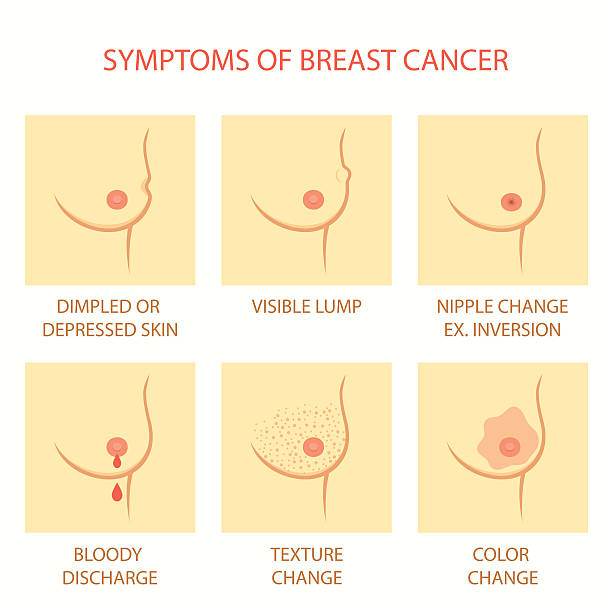
Here are some warning signs to look out for:
- A Firm Lump: Unlike soft, movable fibroadenomas, cancerous lumps often feel hard and irregular in shape.
- Changes in Breast Size or Shape: Any visible alteration that doesn’t resolve after a few weeks should be evaluated.
- Nipple Discharge: Bloody or clear discharge unrelated to hormonal cycles can be a concern.
- Skin Changes: Redness, dimpling, or a puckered texture may signal underlying issues.
- Pain or Tenderness: While pain alone is rarely cancerous, persistent discomfort along with other symptoms should be checked.
Dr. Sandeep Nayak, the renowned surgical oncologist in Bangalore, adds:
“Teenagers often hesitate to report breast changes out of embarrassment or fear. Parents and schools must foster open communication so that young individuals seek medical guidance early. Early detection, even in rare cases, leads to better outcomes.”
Can Teenagers Get Breast Cancer Without a Family History
While a strong family history is a known risk factor, many teenage breast cancer cases occur without any genetic background. Here’s why:
- Genetic Mutations: Some individuals carry spontaneous mutations in genes like BRCA1 or BRCA2, even if their parents don’t.
- Radiation Exposure: Prior radiation therapy for other childhood conditions can increase risk.
- Hormonal Influence: Early puberty or hormonal imbalances can contribute to abnormal cell growth.
- Environmental Factors: Lifestyle, diet, and exposure to certain chemicals may influence the occurrence of cell mutations.
The MACS Clinic specialists emphasize:
“Not having a family history doesn’t eliminate risk completely. Medical evaluation should always be based on symptoms, not assumptions.”
Diagnosis of Breast Cancer in Teenagers
Diagnosing breast cancer in teenagers requires sensitivity and precision. Doctors typically follow a systematic approach:
Physical Examination: A doctor examines both breasts and nearby lymph nodes.
Ultrasound Imaging: Preferred for teenagers to avoid unnecessary radiation exposure.
MRI Scan: Used if further detail is needed to understand tissue composition.
Biopsy: If a suspicious lump is found, a small tissue sample is analyzed for cancer cells.

Dr. Sandeep Nayak, the eminent Bangalore-based surgical oncologist, explains:
“In teenagers, the goal is to minimize invasive procedures while ensuring accuracy. Advanced imaging and careful biopsy techniques help achieve a precise diagnosis with minimal distress.”
Treatment Options for Breast Cancer
Treatment plans depend on the stage and type of cancer, as well as the patient’s age and overall health. The primary treatment modalities include:
Surgery: Removal of the tumor or affected tissue is often the first step. Surgeons aim for breast-conserving methods whenever possible.
Chemotherapy: Used when cancer has spread or to prevent recurrence.
Radiation Therapy: Carefully administered in older teens if necessary.
Hormone Therapy: Helps in hormone-receptor-positive cancers by blocking cancer cell growth.
Targeted Therapy: Advanced treatments that attack specific cancer cell markers with minimal side effects.
According to MACS Clinic cancer experts,
“Each treatment plan is customized. The focus is not only on eliminating cancer but also preserving emotional well-being and physical growth in younger patients.”
Prevention Tips for Teenagers
Though teenage breast cancer cannot always be prevented, maintaining good health habits can reduce risks and encourage awareness:
Self-Awareness: Encourage monthly self-checks to notice unusual changes early.
Healthy Lifestyle: Eat a balanced diet rich in fruits, vegetables, and whole grains.
Limit Processed Foods: Reduce intake of high-fat and sugary foods.
Regular Exercise: Helps regulate hormones and maintain body weight.
Avoid Tobacco and Alcohol: Both can increase the long-term risk of various cancers.
Seek Medical Advice Promptly: Don’t ignore persistent lumps or breast pain.
Conclusion - The Importance of Early Detection and Awareness
Although breast cancer in teenagers is rare, it remains a crucial topic for awareness. By promoting early recognition, open communication, and timely medical consultation, potential cases can be managed more effectively.
Dr. Sandeep Nayak, the respected surgical oncologist from Bangalore, highlights:
“Education and early awareness form the foundation of cancer prevention. When teenagers understand their bodies and feel empowered to report changes, we take a big step towards proactive health.”
Frequently Asked Questions
1. Is breast cancer common in teenagers?
2. What are the first signs of breast cancer in teenagers?
3. How to check symptoms of breast cancer?
4. Can breast cancer hurt to touch?
5. How can parents help teenagers detect breast changes early?
6. Are benign breast lumps in teenagers common?
References:
https://my.clevelandclinic.org/health/diseases/16805-breast-cancer-in-young-women
https://www.moffitt.org/cancers/breast-cancer/breast-cancer-in-teens/
Disclaimer: The information shared in this content is for educational purposes only and not for promotional use.