
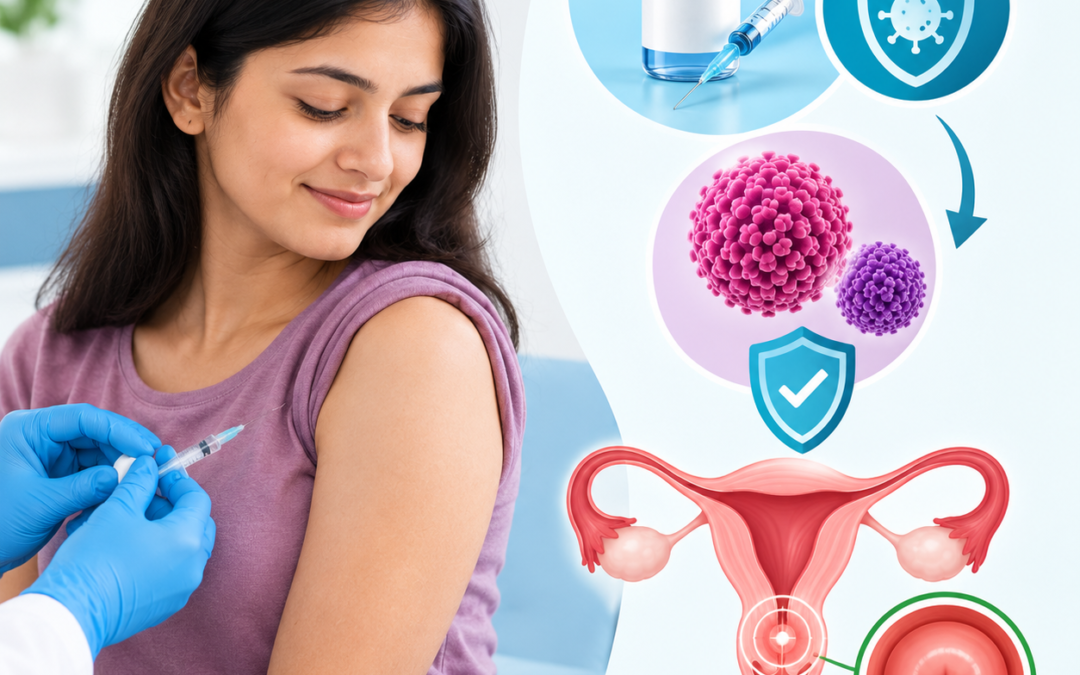
Can the HPV Vaccine Prevent Cervical Cancer?
Yes, the HPV vaccine can prevent cervical cancer. It blocks the high-risk HPV infections that, left alone for years, turn normal cervical cells into cancer. In a large Swedish study, girls vaccinated before 17 had an 88% lower risk of cervical cancer. It isn’t a...
Can Targeted Therapy Replace Chemo in ER+ Breast Cancer?
Yes, targeted therapy can often replace or delay chemotherapy in ER-positive breast cancer. For many patients with hormone receptor-positive, HER2-negative disease, hormone therapy paired with a CDK4/6 inhibitor like palbociclib, ribociclib or abemaciclib is now the...
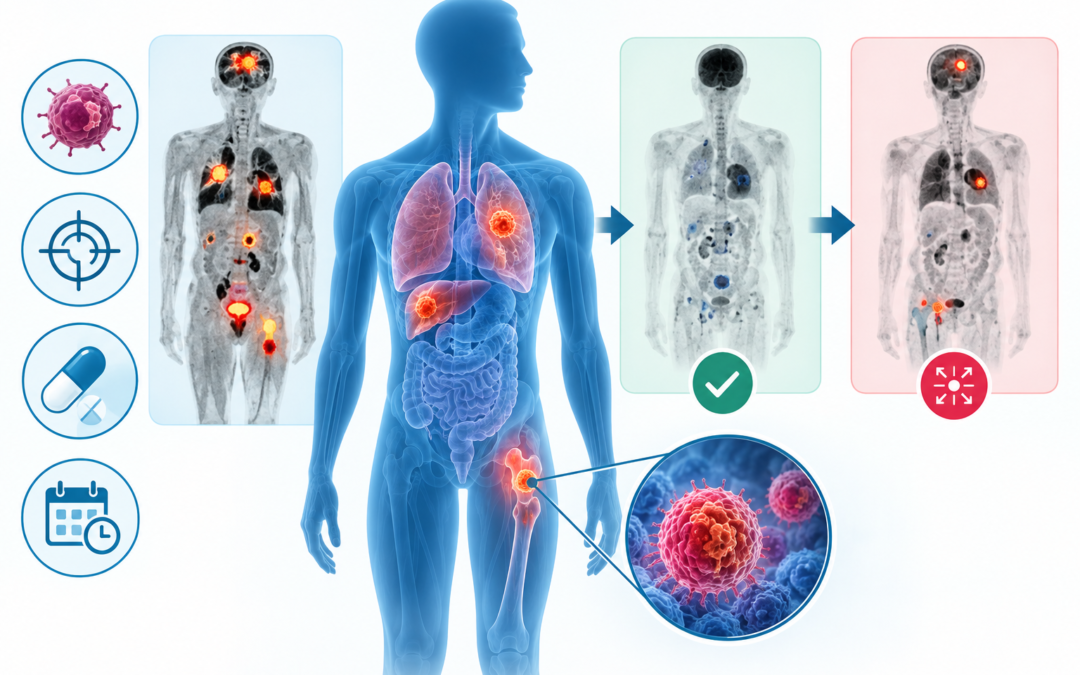
Can Hormone Therapy for Prostate Cancer Affect Heart Health?
Yes, hormone therapy for prostate cancer can affect heart health. Androgen deprivation therapy brings testosterone down, and that can shift body weight, cholesterol and blood sugar in ways that raise heart risk for some men. It doesn’t happen to everyone, and studies...