


Oral cancer, though preventable and treatable when detected early, remains one of the most misunderstood forms of cancer. Myths and misinformation about its causes, symptoms, and risks can delay diagnosis and treatment, sometimes with life-threatening consequences.
Here’s why breaking the myths is the need of the hour.
Globally, over 377,000 new cases of oral cancer are reported each year, according to the World Health Organization. In India alone, oral cancer accounts for nearly 30% of all cancer cases, mainly due to tobacco and betel nut use. Despite these alarming numbers, awareness about the disease remains low.
Dr. Sandeep Nayak, a distinguished surgical oncologist based in Bangalore, says:
“One of the biggest challenges in managing oral cancer is not just treating the disease, but overcoming the misconceptions surrounding it. Myths can lead people to underestimate symptoms or delay screening, which directly affects survival rates. Empowering individuals with the right knowledge is the first step toward prevention.”
Common Myths About Oral Cancer
Myth 1: Oral Cancer Only Affects Smokers
While smoking and tobacco chewing are significant contributors, non-smokers are not immune. Other factors like HPV infection, excessive alcohol consumption, poor nutrition, and prolonged sun exposure can also trigger oral cancer. Many diagnosed patients have never smoked, which highlights the need for awareness beyond tobacco use.
Tobacco is just one part of the story; many risk factors remain hidden in plain sight.
Myth 2: Oral Cancer is Always Noticeable
Many people assume that oral cancer will always present visible sores or lumps. However, early stages can be subtle or even asymptomatic. Sometimes, the first signs are persistent ulcers, white patches, or mild discomfort that’s easy to overlook.

According to the MACS Cancer specialists, “Patients often mistake early oral cancer symptoms for minor mouth issues. By the time they seek help, the disease may have advanced. Regular dental and oral check-ups can make all the difference.”
Some symptoms whisper before they scream, so paying attention to small changes can save lives.
Myth 3: Oral Cancer Only Affects Older Adults
Although risk increases with age, younger individuals are not exempt. The rise in HPV-related oral cancers has led to a spike among people in their 30s and 40s. Lifestyle habits and viral exposure are increasingly crucial in younger cases.
The numbers are shifting; let’s explore why genetics and family history aren’t the only pieces of the puzzle.
Myth 4: You Must Have a Family History of Cancer
Family history can elevate risk, but it isn’t a prerequisite. Most oral cancer cases occur in individuals without any genetic predisposition. Environmental and behavioral factors often outweigh heredity in determining risk.
Even if cancer doesn’t run in your family, it’s crucial to know what your daily choices truly do.
Myth 5: You Can’t Get Oral Cancer if You Have Good Oral Hygiene
While oral hygiene supports overall health, it’s not a shield against oral cancer. Cancers can develop due to viral infections, dietary habits, and exposure to carcinogens, even in people who brush and floss diligently.
Dr. Sandeep Nayak, a renowned surgical oncologist from Bangalore, explains: “Good oral hygiene can reduce infections and gum disease, but it doesn’t eliminate cancer risk. Preventive screenings and awareness about potential triggers are equally vital for maintaining oral health.”
Facts About Oral Cancer You Should Know
Understanding the truth about oral cancer empowers individuals to make informed choices and take proactive measures to prevent it.
Fact 1: Early Detection Increases Survival Rates
Early diagnosis can improve survival chances. Studies indicate that when detected early, oral cancer has a 5-year survival rate of nearly 85%, compared to 30–40% in advanced stages. Regular oral screenings are therefore critical, especially for those with lifestyle risks.
Timing is everything; catching cancer early can rewrite the story of recovery.
Fact 2: HPV is a Growing Risk Factor
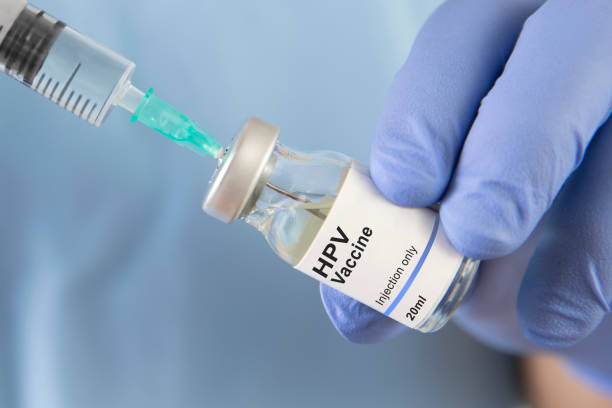
The Human Papillomavirus (HPV), particularly strain HPV-16, has emerged as a significant cause of oral and throat cancers. It spreads through oral contact and affects both men and women. Vaccination and safe practices can reduce HPV-related oral cancer risk.
With rising HPV-related cases, prevention through awareness and vaccination becomes more critical than ever.
Fact 3: Alcohol Consumption is Also a Risk Factor
Excessive alcohol consumption irritates the mouth’s lining and increases cancer risk, especially when combined with tobacco. The synergy between the two substances can multiply the risk several times. Moderation or abstinence is key to lowering exposure.
Lifestyle choices often determine health outcomes; next, let’s see how early detection plays a crucial role.
Fact 4: Oral Cancer Can Be Treated if Caught Early
Early-stage oral cancers are highly treatable, often requiring less invasive therapies. Advances in minimally invasive surgical oncology, such as those offered at MACS Clinic, have improved recovery times and outcomes.
Common Symptoms to Watch For
Recognizing the symptoms of oral cancer can help in timely diagnosis. Key red alerts include:

- Red / white patches inside the mouth or on the tongue
- Persistent sores in the mouth for over two weeks
- Unexplained bleeding or numbness in the mouth
- Difficulty chewing or swallowing
- Lumps or thick areas in the cheek or jaw
These symptoms can mimic other oral conditions, but shouldn’t be dismissed.
How to Reduce Your Risk of Oral Cancer
Prevention involves awareness, lifestyle management, and regular screenings. Here’s how to minimize your risk:
- Avoid tobacco and limit alcohol, as both are proven carcinogens
- Maintain good nutrition through a diet rich in fruits and vegetables to strengthen the body’s defense
- Get vaccinated against HPV as a safe, effective preventive step
- Use sun protection, particularly for those with prolonged outdoor exposure
- Schedule regular check-ups because early detection through routine oral screenings is vital
What to Do if You Think You Have Oral Cancer
If you notice persistent symptoms or suspect something unusual, don’t panic. Take the following steps:
- Book an appointment with a qualified oncologist for a thorough oral examination
- Undergo diagnostic tests such as biopsies or imaging if advised
- Follow treatment recommendations promptly. Early response can significantly improve outcomes
- Seek emotional support through counseling or support groups during diagnosis and treatment
Understanding how to respond is vital, but prevention through awareness remains the cornerstone of oral health.
Final Thoughts
Dispelling myths and understanding the facts about oral cancer can save countless lives. Awareness, timely screening, and healthy lifestyle choices remain the most potent weapons against this disease.
According to Dr. Sandeep Nayak, a pioneeringsurgical oncologist based in Bangalore, “Modern oncology allows us to treat oral cancer with precision and preservation. When detected early, patients can return to normal life with minimal impact on appearance or speech. Awareness and timely intervention save lives.”
Frequently Asked Questions
1. Is oral cancer hereditary?
2. What foods increase oral cancer risk?
3. Can oral cancer come back after treatment?
4. How often should I get screened for oral cancer?
References:
https://my.clevelandclinic.org/health/diseases/11184-oral-cancer
https://en.wikipedia.org/wiki/Oral_cancer
Disclaimer: The information shared in this content is for educational purposes only and not for promotional use.