

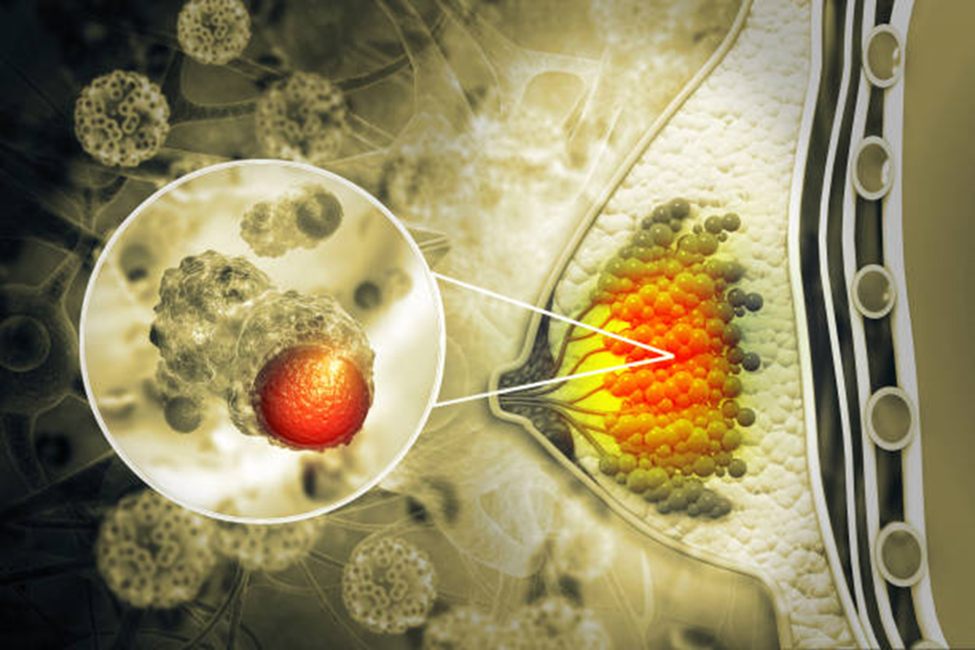
Across the world, more than 2.3 million women are diagnosed with Breast Cancer each year, and India alone reports over 200,000 new cases annually, making it the country’s most common cancer in women. With numbers rising, many women live with a constant fear of developing Breast Cancer, and the anxiety around diagnosis often becomes emotionally draining.
Will this test make things worse?
Can touching the lump cause cancer cells to spread?
Can a Biopsy Trigger the Spread of Breast Cancer?
These thoughts are incredibly common. As Dr. Sandeep Nayak, the highly-accomplished Head Surgical Oncologist at MACS Clinic in Bangalore, explains,
“A large number of women who visit me are nervous about the idea of undergoing a biopsy. They worry that it may disturb the tumour or cause it to grow faster. I always reassure them that modern biopsy techniques are safe, reliable, and essential for choosing the right treatment. Without a biopsy, we cannot plan effective care or provide clarity during an emotionally challenging time.”
Biopsy and the spread of breast cancer often come up together in conversations, not because the link is real, but because the fear is real.
Understanding Breast Biopsy Procedures
A Breast Biopsy is a medical test where a small sample of breast tissue is taken and examined under a microscope. It helps doctors confirm whether a lump is harmless or cancerous. Biopsies are precise, controlled, and performed using equipment designed to keep surrounding tissue safe.
Here are the most commonly used Breast Biopsy procedures, explained in simple terms:
Fine Needle Aspiration (FNA)

This uses a thin needle to withdraw cells from a suspicious lump. It causes minimal discomfort and is often used for cysts or smaller lumps.
Core Needle Biopsy (CNB)

A slightly larger needle is used to remove small tissue cores, allowing doctors to study breast architecture, not just cells. It provides more accurate results than FNA.
Vacuum-Assisted Biopsy (VAB)

With the help of suction, this method collects more tissue without needing multiple needle insertions. It is often used when the abnormal area is small or hard to reach.
Surgical Biopsy
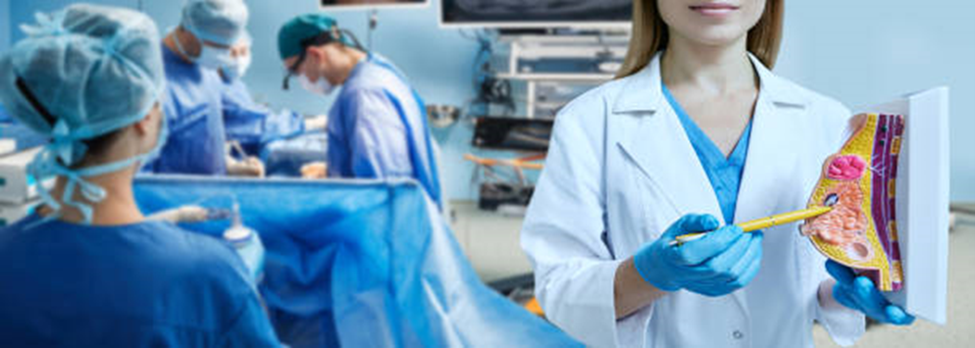
This involves removing a part or the entire lump. It is less common today because needle-based methods are usually sufficient.
Clarifying the Relationship between Biopsy and Cancer Spread
A major worry among women is whether a biopsy can cause cancer cells to travel to other parts of the body.
The good news?
Decades of global research have shown no evidence that modern biopsy techniques spread cancer.
Surgeons use sterile, sharp, single-use needles that prevent dragging cells through tissue. Imaging guidance further improves accuracy. Worldwide cancer organizations—including those in India—consider biopsies the safest and most reliable diagnostic method.
Dr. V Sreekanth Reddy, a meticulous Breast and GI Surgery Specialist in Bangalore, notes,
“There is no scientific proof that biopsies increase the chance of cancer spread. In fact, a biopsy gives crucial information that allows us to offer timely and effective Breast Cancer Treatment. Many women delay testing due to fear, which can be far riskier than the procedure itself. A biopsy helps us identify the disease early, and early detection greatly improves survival.”
Clinical Indications for Performing a Breast Biopsy

Doctors usually recommend a biopsy when an exam or image shows something that needs a closer look. Situations where a biopsy may be required include:
- A persistent lump that does not match normal breast tissue
- Abnormal mammogram results, such as microcalcifications or masses
- Changes in the nipple or skin, like puckering, thickening, or unusual discharge
- Family history of Breast Cancer, combined with suspicious findings
- A lump in younger women that does not settle with time
These signs do not always mean cancer, but a biopsy offers clarity so treatment decisions are accurate and personalized.
Preparing for a Breast Biopsy
Preparation is simple but important. Here are steps that help the process go smoothly:
Discuss Medications
Blood thinners or certain supplements may need temporary adjustment.
Avoid Perfume or Deodorant on the Day
These products can interfere with imaging clarity.
Wear Comfortable Clothing
A simple top makes changing easier, especially if imaging is involved.
Eat Normally
Most biopsy types do not require fasting.
Arrange Support if Needed
Some women prefer having a friend or family member accompany them.
Dr. Nisha Vishnu, an accomplished expert in Advanced Radiation techniques, says,
“Preparing well helps patients feel calmer during the biopsy. When women understand what to expect, they approach the procedure with confidence. Clarity reduces anxiety, and reduced anxiety makes the experience significantly smoother.”
What to Expect During and After a Biopsy
During the biopsy, the breast is cleaned, numbed with local anesthesia, and imaged using ultrasound or mammography. The needle is inserted carefully to collect tissue. Most women say they feel pressure rather than pain. The entire procedure usually takes 15–30 minutes. Once the sample is taken, a small bandage is placed. Discomfort afterward is mild and typically resolves quickly.

The collected tissue is then sent to a pathology laboratory, where specialists examine the cells under a microscope to check for any abnormal patterns. In some cases, additional tests are performed to understand the behaviour of the cells more precisely.
After the test, patients may feel mild soreness or bruising for a day or two. Results usually come within a few days, offering much-needed clarity.
Potential Risks Associated with Breast Biopsy
A Breast Biopsy is generally safe, but like any procedure, it has a few potential risks:
- Bruising, tenderness, or mild soreness may last a day or two.
- Small bleeding can occur, especially in women on blood thinners.
- Infection is rare, and usually managed with simple medication if it occurs.
- Needle biopsies leave minimal scarring, often barely noticeable.
These risks are routinely managed, and doctors take several steps to reduce them.
Summary and Clinical Takeaways
Biopsies are essential tools that help diagnose Breast Cancer accurately and early. They are safe, well-researched, and trusted worldwide. For women in India, where Breast Cancer cases are rising rapidly, timely testing can make a significant difference.
A biopsy does not cause cancer to spread, and delaying it may reduce treatment effectiveness. Choosing specialists who offer advanced cancer treatment ensures access to modern techniques and multidisciplinary care.
Frequently Asked Questions
1. Is a biopsy always necessary for diagnosing breast lumps?
2. How long does it take to get biopsy results?
3. Will I need surgery after a biopsy?
4. Can I resume normal activities after a biopsy?
5. Can a biopsy help plan Breast Cancer Treatment?
References:
https://tucsonbreasthealth.com/busting-breast-cancer-myths-does-biopsy-spread-breast-cancer/
https://my.clevelandclinic.org/health/diagnostics/24204-breast-biopsy-overview
Disclaimer: The information shared in this content is for educational purposes only and not for promotional use.