

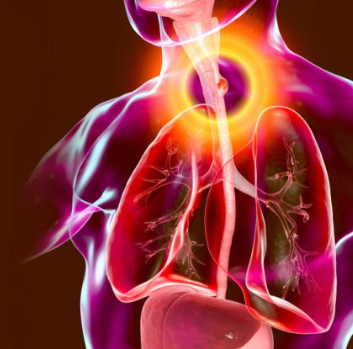
Difficulty swallowing solid food that gradually worsens over weeks, burning chest pain during eating, unexplained weight loss, and heartburn that stops responding to antacids are the earliest symptoms of esophageal cancer. Roughly 50% of patients experience significant weight loss before diagnosis because swallowing difficulty forces them to unconsciously switch to softer foods and smaller portions. Squamous cell carcinoma and adenocarcinoma are the two main types with adenocarcinoma linked to chronic GERD and Barrett’s esophagus.
According to Dr. Sandeep Nayak, Esophageal Cancer Treatment in Bangalore, “The patient tells me food has been sticking in his chest for three months. Started avoiding roti and rice, switched to dal and curd, told himself he was eating healthier. He wasn’t eating healthier. He was adapting to a tumor narrowing his food pipe without realizing that’s what was happening.“
Food sticking in your chest isn’t a swallowing habit. It’s a symptom.
What Symptoms Appear First?
Esophageal cancer grows inside a narrow tube so even small tumors start interfering with food passage early. Problem is the interference starts mild and people adjust around it.
- Difficulty swallowing: Food feels stuck in the throat or chest. Starts with hard foods like roti, bread, meat. Over weeks progresses to difficulty with rice and eventually liquids. Most patients unconsciously switch to softer foods without connecting the change to a growing obstruction inside the food pipe.
- Chest pain while eating: Burning or pressure behind the breastbone a few seconds after swallowing. Gets confused with acidity or heartburn for months. Key difference is this pain happens specifically during eating and worsens progressively while regular heartburn is more random and responds to antacids.
- Weight loss: Dropping 5-8 kg without trying because eating becomes uncomfortable and portions shrink gradually. Family notices the weight change before the patient connects it to the swallowing issue. About half of esophageal cancer patients have significant weight loss at the time of diagnosis.
- Persistent heartburn: GERD symptoms that suddenly stop responding to omeprazole or pantoprazole after years of being controlled. Acid reflux that was manageable for a decade and then changed character needs endoscopy not a stronger PPI prescription from the chemist.
Your oncologist evaluates these through esophageal cancer assessment including upper GI endoscopy with biopsy.
Who Is at Higher Risk?
Esophageal cancer doesn’t appear randomly. Specific long-term habits and conditions create the tissue damage that eventually turns cancerous.
- Chronic GERD: Years of stomach acid washing back into the lower esophagus damages the lining. Some patients develop Barrett’s esophagus where normal cells change to abnormal ones. Barrett’s is a precancerous condition that needs surveillance endoscopy every 2-3 years because the jump from Barrett’s to adenocarcinoma is well documented.
- Tobacco and alcohol: Smoking and heavy drinking together multiply esophageal cancer risk beyond what either does alone. Squamous cell carcinoma of the upper and mid esophagus is strongly linked to this combination. Two pegs plus ten cigarettes daily for twenty years is a risk profile most Indian men don’t think of as cancer-related.
- Very hot beverages: Drinking chai, coffee, or soup above 65°C repeatedly damages the esophageal lining. Thermal injury accumulated over decades raises squamous cell cancer risk. The roadside cutting chai that burns your tongue every morning is doing the same thing to your food pipe every time you swallow it.
- Dietary factors: Low fruit and vegetable intake, heavy consumption of pickled and preserved foods, zinc and selenium deficiency. Indian diets heavy on preserved achaar and low on fresh salads over decades contribute to the tissue environment where esophageal cancer develops.
Knowing how liver cancer signs hide behind existing chronic conditions explains why esophageal cancer similarly hides behind years of GERD that provided a ready-made excuse for every swallowing complaint.
Why Choose MACS Clinic?
Dr. Sandeep Nayak performs esophageal cancer surgeries including minimally invasive esophagectomy using thoracoscopic and laparoscopic approach that avoids the massive thoracotomy incision traditional esophageal surgery requires. MACS Clinic coordinates endoscopy, biopsy, PET-CT staging, and surgical planning under one multidisciplinary team.
Patient with worsening swallowing here gets an endoscopy that same week. Because a food pipe narrowing gradually over months isn’t ageing or stress. It’s a tumor growing until it blocks the passage completely and by then the staging conversation is very different from what it would’ve been three months earlier.
Call +91 8035740000 to book your consultation.
FAQs
What is the first sign of esophageal cancer?
Difficulty swallowing solid food that progressively worsens over weeks is the most common first sign.
Does heartburn cause esophageal cancer?
Chronic GERD can lead to Barrett’s esophagus which is a precancerous condition.
How is esophageal cancer diagnosed?
Upper GI endoscopy with biopsy is the primary diagnostic tool for esophageal cancer.
Can esophageal cancer be cured?
When caught early and localized, surgical resection offers potential cure with good survival.
References
- Esophageal cancer signs and symptoms — National Cancer Institute
- Esophageal cancer risk factors — World Health Organization