

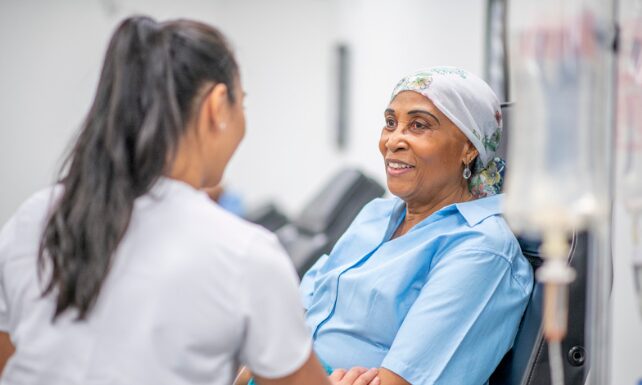
One in four cancer patients develops clinical depression and 12-15% experience severe anxiety, rates five times higher than the general population. Untreated psychological distress reduces treatment adherence, weakens immune function, and directly worsens survival outcomes. Mental health support including psycho-oncology counseling and medication when needed is part of cancer care not something patients should access only after they visibly break down.
According to Dr. Sandeep Nayak, Best cancer treatment in Bangalore, “Patient nods through the entire treatment plan discussion. Next week skips chemo without telling anyone. Wife calls asking what happened. He couldn’t get out of bed. Nobody screened him because everyone was focused on the tumor and forgot the person carrying it.”
Treating the disease without treating the person living through it is half the job.
What Do Cancer Patients Struggle With Emotionally?
Cancer diagnosis hits harder psychologically than most diseases because the word itself carries a death sentence association in Indian families regardless of actual stage or prognosis.
- Anxiety: Fear of death, financial ruin, being a burden. Spikes before every scan and every report. Some patients delay follow-up imaging for months because the fear of bad news feels worse than not knowing.
- Depression: Not sadness about having cancer. A chemical change chemo drugs, steroids, and hormonal therapy can trigger directly. Patient who was fighting hard at cycle one becomes unreachable by cycle four and the family assumes he gave up when actually his brain chemistry shifted.
- Treatment fatigue: Emotional exhaustion from months of hospital visits, needles, nausea, waiting rooms. Motivation that was strong at the start dissolves into going through the motions. Doesn’t want to quit but doesn’t have the reserves to keep showing up willingly.
- Caregiver collapse: Spouse managing medicines, appointments, finances, children while watching someone they love deteriorate. Indian families pour everything into the patient and nobody checks whether the caregiver is eating, sleeping, or falling apart quietly.
Your oncologist integrates mental health screening into cancer care from diagnosis alongside treatment planning.
What Actually Helps?
Support has to be offered proactively because cancer patients in India almost never ask for mental health help on their own.
- Psycho-oncology counseling: Trained counselor who understands cancer-specific fears not generic therapy. Someone who knows what scanxiety feels like and why chemo brain causes panic. One session before treatment starts and regular check-ins during changes the trajectory measurably.
- Medication when needed: Antidepressants prescribed by a psychiatrist who knows the chemo protocol because some interact with cancer drugs. Taking medication for depression during cancer isn’t weakness. It’s fixing a chemical imbalance the disease and its treatment created together.
- Family involvement: Explaining what depression looks like so the family recognizes withdrawal instead of calling the patient difficult or lazy. Giving the caregiver permission to ask for help because nobody in an Indian household gives themselves that permission.
- Peer connection: Hearing “I went through this and came out fine” from someone who actually did carries more weight than any counselor’s reassurance. Support groups work because shared experience builds trust that no qualification alone provides.
Understanding how immunity recovery after chemo depends on sleep and stress shows why mental health directly affects physical recovery and treating one without the other leaves the job incomplete.
Why Choose MACS Clinic?
Dr. Sandeep Nayak’s team at MACS Clinic screens every patient for psychological distress at diagnosis and at checkpoints during treatment. Psycho-oncology support is built into the pathway not offered as an afterthought when someone visibly collapses.
Patient struggling here gets identified before they skip a cycle. Catching depression at week two is easier than discovering it at week twelve when three cycles are missed and the cancer has had three months of unplanned growth.
Call +91 8035740000 to book your consultation.
FAQs
Do cancer patients commonly experience depression?
Yes, one in four develops clinical depression, five times the general population rate.
Should mental health support start at diagnosis?
Yes, early screening improves treatment adherence and overall survival outcomes.
Can antidepressants be taken during chemotherapy?
Yes, with oncology-aware prescribing to avoid interactions with chemo drugs.
Does emotional support improve cancer outcomes?
Treated depression improves compliance which directly impacts survival rates.
References
- Psycho-oncology and cancer care — National Cancer Institute
- Mental health in cancer patients — World Health Organization