
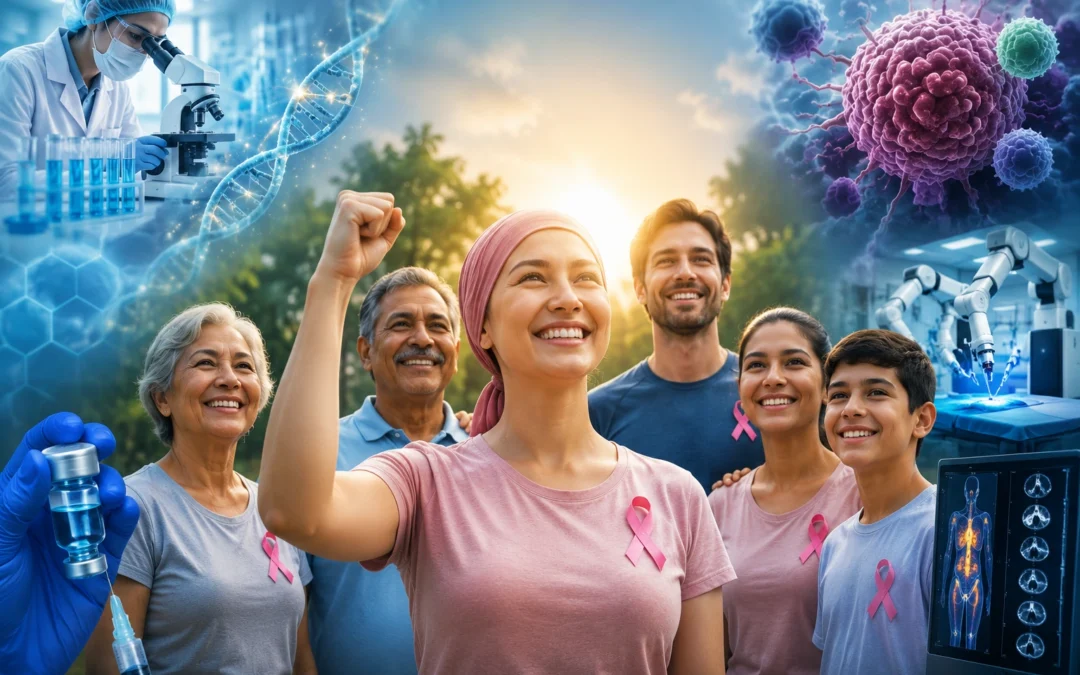
A few things stacked together, honestly, rather than one single breakthrough doing all the work. Years of research funding are finally paying off in the clinic, precision treatments have gone from rare to fairly standard for a lot of cancers, and screening is catching disease earlier than it used to. None of these alone explains the jump. Together, they’ve moved the number more than any single drug or scan ever could on its own.
Dr. Sandeep Nayak, known for the Best Cancer Treatment in Bangalore, has been practicing long enough to watch this shift happen in real time. “Twenty years ago, a stage three diagnosis meant something very different than it does now. It’s not one magic drug. It’s better imaging catching things earlier, genomic testing telling us what we’re actually treating, and honestly, patients coming in sooner because awareness has improved too. All of it adds up.”
Curious what this means for your own risk or treatment options?
What's Actually Moving the Number?
Research investment over the last couple of decades is finally showing up in outcomes, not just in headlines about new drugs:
- Targeted therapies and immunotherapy now exist for cancers that had few real options even ten years ago
- Precision oncology means more patients get matched to a treatment built around their specific tumor instead of a generic protocol
- Survival gains have been steepest in cancers where genomic testing changed which drug gets used first
- Ongoing clinical trials keep feeding new options into standard care faster than they used to
None of this happened overnight. It’s closer to two decades of research quietly compounding until the results became hard to miss in the data.
Why Earlier Screening Is Doing So Much of the Work?
Better treatment gets most of the attention, but catching cancer earlier matters just as much, sometimes more:
- Cancers caught at an earlier stage are, almost across the board, far more treatable and survivable than the same cancer caught late
- Screening guidelines have expanded and, in some cases, lowered the recommended starting age for certain cancers
- Awareness campaigns have pushed more people to get checked before symptoms force the issue
- Even modest gains in screening participation shift a population’s survival numbers noticeably over time
The gains here aren’t evenly spread, though. Cancers with strong, well-followed screening programs have improved faster than ones that still rely mostly on symptoms showing up first.
Why Choose MACS Clinic for Advanced Cancer Care?
Dr. Sandeep Nayak’s team treats this improvement as a floor to build on, not a finish line, combining proper diagnostic staging with precision treatment planning so patients get the benefit of exactly where the research has actually moved, not just where it used to be.Want to understand your own treatment options in light of where cancer care stands today? Reach the team at +91 9482202240.
FAQs
Does this mean cancer survival has improved for every cancer type equally?
No. Gains have been much larger for some cancers than others, largely depending on how much precision treatment and screening progress has reached that specific cancer type.
Does living somewhere with less access to advanced care still benefit from this?
Only partly. A lot of these gains depend on access to genomic testing, newer drugs, and screening programs, which still isn’t equal everywhere.
Is AI in cancer diagnosis available in India?
Some tools are in use at specialist centres. Molecular profiling and genomic interpretation with AI components are increasingly available at larger oncology centres.
Should I change my own screening habits because of this?
Worth asking your doctor directly, since recommended screening ages and intervals have shifted for several cancers in recent years.
References
American Cancer Society — Cancer Statistics 2026 press release
Highlights particularly large survival gains in cancers such as lung cancer, liver cancer, and myeloma.
ACS Cancer Statistics 2026 announcement
WHO — Global Status Report on Cancer 2026
Best source for adding a global perspective and discussing improvements in cancer prevention, early detection, treatment, survival, and continuing disparities between countries.
WHO Global Status Report on Cancer 2026
Disclaimer:This content is published for educational and informational purposes only.