
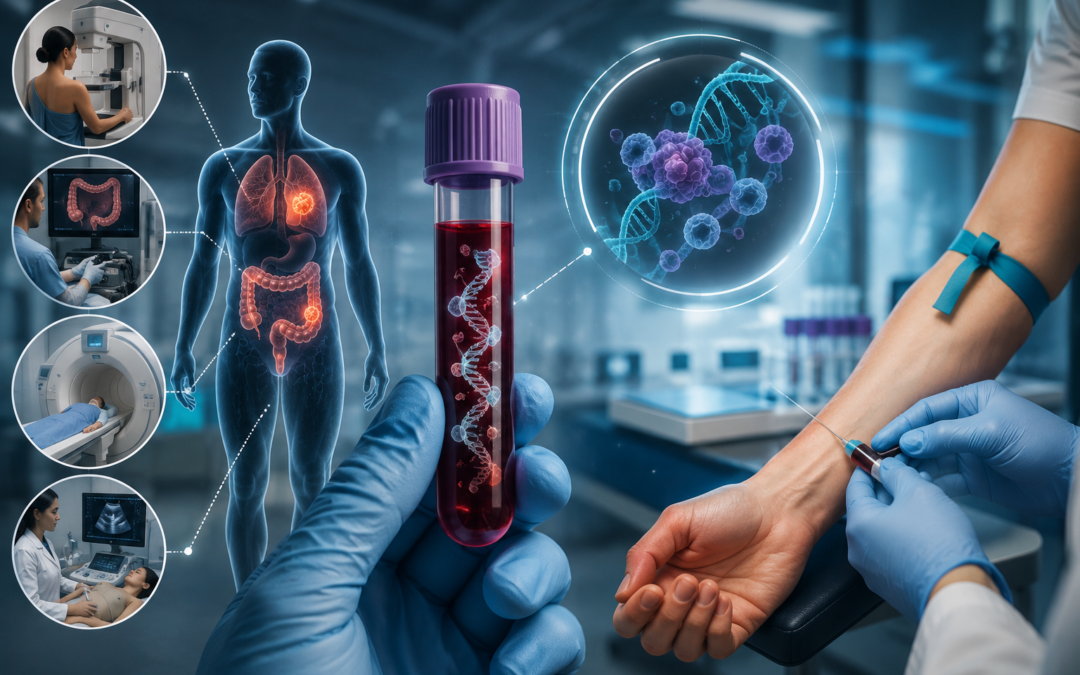
Not yet and probably not for a while. Liquid biopsy is one of the more genuinely exciting things happening in oncology right now, moving faster than a lot of other areas of research, but it hasn’t reached the point where it can stand in for a mammogram, a colonoscopy, or a Pap smear. That’s not doctors being overly cautious either. The data just isn’t there to support swapping one for the other yet.
Dr. Sandeep Nayak, known for the Best Cancer Treatment in Bangalore, hears this question constantly from patients who’ve read about the technology somewhere online. “People walk in hopeful about a blood test that supposedly catches everything early, and I get why, nobody enjoys a colonoscopy. But right now liquid biopsy still misses cancers that standard screening catches, small early-stage ones especially. Think of it as something we’re adding alongside the tools we already trust, not something replacing them.”
Curious whether liquid biopsy has a place in your own care?
Why It Isn't a Full Replacement Yet?
The honest gap here is between promising and proven, and liquid biopsy sits squarely in that gap right now:
- Sensitivity for small, early-stage tumors still trails behind what traditional screening picks up for several cancer types
- A negative result doesn’t rule cancer out the way a clear mammogram or colonoscopy currently can, so a clean blood test isn’t quite the same reassurance yet
- Most multi-cancer blood tests are still working through large population validation studies, not proven at the scale general screening actually requires
- Traditional screening also catches pre-cancerous changes, not just cancer itself, and liquid biopsy generally isn’t built to find those at all
None of that makes liquid biopsy useless. It just means treating the two as interchangeable right now could mean missing something a standard test would have caught.
Where Liquid Biopsy Actually Fits Right Now?
Its real value shows up less in first-line screening and more in the gaps around it:
- Monitoring a known cancer for recurrence or how it’s responding to treatment, sometimes catching a change before imaging picks it up
- Supplementing standard screening for people already at higher risk, rather than standing in for it
- Cutting down on repeat invasive biopsies, since a blood draw is a lot less to ask of a patient than another tissue sample
- Helping researchers figure out which biomarkers actually matter, in trial settings working toward wider future use
This is really the same reason genomic and molecular testing has become such a routine part of cancer care generally, it adds information on top of the fundamentals rather than replacing them.
Why Choose MACS Clinic for Cancer Screening and Detection?
Dr. Sandeep Nayak’s team uses newer tools like liquid biopsy where they genuinely add value, mostly around monitoring and complex cases, while keeping traditional, proven screening as the actual foundation for catching cancer early rather than confirming it after something’s already found.Not sure which screening approach is right for you? Reach the team at +91 9482202240.
FAQs
Will I eventually need a booster shot?
Nothing in the current evidence points that way. If that ever changes, it’ll be because long-term studies find something, not because anyone’s guessing it might happen.
I'm an adult now, is the vaccine still worth getting?
Often, yes, depending on your age and prior exposure. It’s really a conversation to have directly with a doctor rather than something to rule out on your own.
Will it eventually replace traditional screening?
Maybe, for some cancers, once the technology and the studies behind it catch up. There’s no real timeline for that yet, and it could take years.
Why would someone choose it over a regular biopsy?
Mostly convenience. A blood draw is far less invasive than a tissue sample, which is why it works so well for monitoring someone already being treated.
Reference Links:
- NCI — Multi-Cancer Detection Tests
Explains how blood-based multi-cancer detection tests work and why they currently cannot replace established screening tests.
NCI: Multi-Cancer Detection Tests - American Cancer Society — Multi-Cancer Detection Tests
Patient-friendly overview of what these tests can and cannot do, including their current status and relationship to mammograms, colonoscopy, cervical screening, and other established tests.
ACS: Multi-Cancer Detection Tests
Disclaimer:This content is published for educational and informational purposes only.