

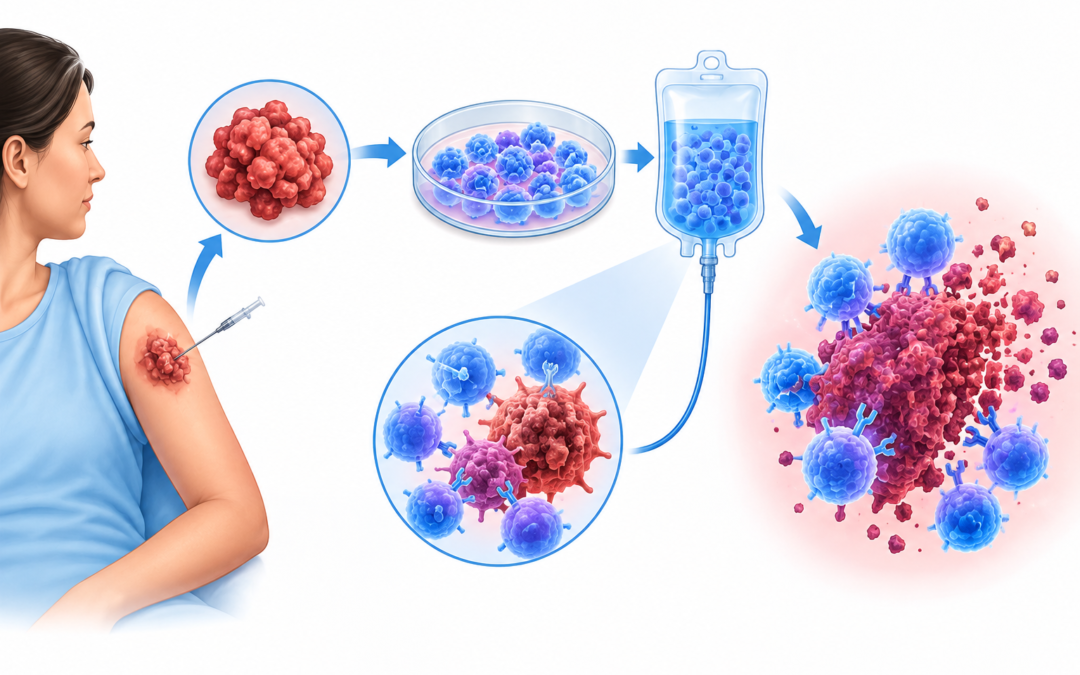
TIL therapy, tumor-infiltrating lymphocyte therapy, takes immune cells that are already inside a patient’s own tumor, the ones that got there naturally trying to fight the cancer, and pulls them out. Those cells get grown in a lab, multiplied into the billions, then infused back into the same patient. The idea is straightforward once you say it out loud, take the immune cells that already recognized this specific cancer as a threat, just give them massive reinforcements, and send them back in.
Dr. Sandeep Nayak, Best Cancer Treatment in Bangalore, explains why this approach is genuinely different from other immunotherapies. “Most immunotherapy drugs work by removing brakes on the immune system generally, hoping it then attacks the cancer. TIL therapy is more direct. These are cells that were already inside the tumor, already engaged with it. We’re not guessing whether the immune system will respond, we already know these specific cells did. Growing them into a massive army and sending them back is a fundamentally personalized approach, built from that patient’s own tumor.”
Curious whether TIL therapy could apply to your specific cancer?
How Does the TIL Therapy Process Actually Work?
Several distinct steps happen between the initial tumor sample and the final infusion.
A tumor sample gets surgically removed. This isn’t a needle biopsy, it’s typically a surgical procedure to obtain enough tumor tissue containing the immune cells that need to be extracted and grown.
Immune cells get isolated and expanded in the lab. Scientists identify the lymphocytes within the tumor sample that show activity against the cancer, then grow them under specific conditions that can multiply their numbers into the billions over several weeks.
The patient often undergoes preparative treatment first. Before the cells are infused back, many protocols include a short course of chemotherapy designed to clear space in the immune system, giving the expanded TIL cells room to establish themselves effectively.
The expanded cells get infused back into the patient. Once grown to sufficient numbers, the cells are given back through an infusion, similar to a blood transfusion, after which they continue working to recognize and attack the cancer.
Support medication often follows. Certain immune stimulating drugs may be given alongside or after infusion to help support the activity of the reintroduced cells.
Which Cancers Is TIL Therapy Currently Used For?
Why Choose MACS Clinic for Advanced Immunotherapy Guidance?
Dr. Sandeep Nayak’s team at MACS Clinic stays current with emerging cellular therapies like TIL, providing honest guidance on whether a specific patient’s cancer type and situation genuinely fit current treatment protocols, rather than overselling access to something still developing. Precision oncology testing helps determine what immunotherapy options, established or emerging, are actually relevant for a given tumour.
For patients with advanced or treatment resistant cancers, the full range of options, including where TIL therapy might fit, gets discussed based on current evidence and availability. Want to understand your treatment options for advanced cancer? Reach the team at +91 9482202240.
FAQs
Is TIL therapy the same as CAR-T cell therapy?
No, they’re different approaches, though both are cellular immunotherapies. TIL uses immune cells already present in the tumor, while CAR-T involves genetically engineering a patient’s own immune cells to recognize a specific target
How long does the TIL therapy process take from start to finish?
Several weeks typically, since growing the cells to sufficient numbers in the lab takes time. The exact timeline varies depending on the specific protocol and how the cells expand
Are there significant side effects with TIL therapy?
Yes, the preparative chemotherapy and the cell infusion itself can cause significant side effects, requiring close monitoring, often with a hospital stay during the most intensive part of treatment.
Is TIL therapy widely available currently?
Not yet broadly. It remains a specialized treatment available at select centres with the specific infrastructure needed to grow and expand these cells, though availability continues to expand as the field develops.
References
- NCI – T-Cell Transfer Therapy: provides a detailed explanation of how TIL therapy works and its use in cancer treatment.
NCI – T-Cell Transfer Therapy - FDA – Amtagvi (lifileucel): useful for discussing the FDA-approved TIL therapy for certain adults with unresectable or metastatic melanoma.
FDA – Amtagvi Approval
Disclaimer: This content is published for educational and informational purposes only.