

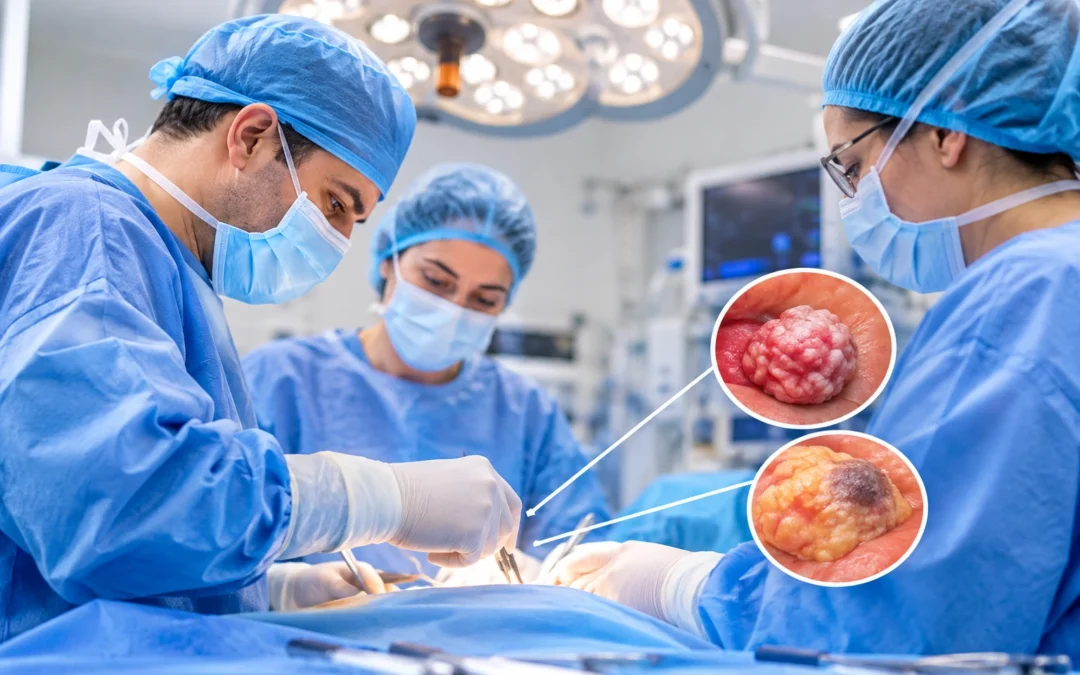
Sometimes, yes. When two separate cancers are found at the same time, in different organs, a surgical team can occasionally deal with both in one operation. Doctors call these synchronous cancers. It isn’t the same as one cancer that has spread. Here there are two separate tumours, and each began on its own. Whether a single combined operation makes sense depends on where the tumours are, how advanced each one is, and whether you’re strong enough for a longer operation. When it works, you get one anaesthetic, one recovery and one hospital stay instead of two. When it doesn’t, the safer plan is two operations in sequence, often with the more urgent cancer first. Which route is right is decided by the team, case by case.
Dr. Sandeep Nayak, who provides cancer treatment in Bangalore, says combining operations isn’t always the better choice. “If both tumours are early, in nearby parts of the body, and the patient is fit, a single operation can mean one anaesthetic and a shorter total recovery. But a longer operation brings more strain. So if one cancer is large, close to major vessels, or urgent, we usually treat that one first and plan the second separately. The decision belongs to a team that includes the surgeons for each organ and the anaesthetist, and it should be made after both cancers have been fully staged.”
If you’ve been told you have two cancers, it’s worth having both reports reviewed together by one team.
Share the scans and biopsy results with our team, and they’ll explain how the two might be treated and in what order.
Multiple Cancers Surgery: When a Combined Operation Can Work
- Both tumours are in the same area of the body. Two cancers in the abdomen, for example, can often be reached through one incision or a shared set of keyhole ports.
- Both are early stage. Smaller, contained tumours take less time to remove and carry less risk.
- You’re fit enough for a longer operation. Heart, lung and kidney function all matter, along with everyday strength.
- Minimally invasive surgery is possible. Keyhole or robotic access can shorten recovery even when two organs are involved, as covered in Does Less Mean More: Minimally Invasive Surgeries.
- The right surgeons are available together. Two cancers may need two specialists in the same theatre, which is part of what the MACS advantages page describes.
- One operation suits you better. One anaesthetic, one hospital stay and a single recovery can matter a great deal, particularly if you live far from the hospital.
Two Cancers Diagnosed at the Same Time: When One Operation Isn’t Right
- The tumours are far apart. A cancer in the chest and another in the pelvis usually mean two different approaches and two positions on the table.
- One cancer is advanced. If one tumour is large or involves nearby structures, that operation alone may be long and demanding.
- Your fitness is borderline. Heart or lung problems can make a combined operation too risky, even when both cancers are small.
- One cancer needs treatment first. Some tumours are better treated with chemotherapy or radiation before any surgery, as happens in rectal cancer treatment.
- Combining would compromise either operation. Each cancer needs a complete, careful removal. If doing both at once risks cutting corners on either, they are separated.
What Decides Whether Two Cancers Can Be Treated in One Surgery?
No two cases are alike, and the plan is built around your particular situation.
- The stage of each cancer. Both tumours are staged separately before anything is decided.
- Where they sit. Distance between the two, and what lies around each one.
- Your overall health. Age, heart and lung function, diabetes control, nutrition and strength.
- How long the combined operation would take. Longer operations carry more risk of bleeding, infection and slower recovery.
- What each cancer needs beyond surgery. Chemotherapy or radiation before or after can change the order of treatment.
- The team’s review. A tumour board looks at both cancers together before a plan is fixed.
- What matters to you. Recovery time, work, family support and how far you live from the hospital all count.
Key Takeaways
- Two separate cancers found at the same time are not the same as one cancer that has spread.
- A single combined operation is possible in selected cases, usually when both tumours are early and close together and the patient is fit.
- Two staged operations are often the safer plan, with the more urgent cancer treated first.
- The decision needs both cancers fully staged and a team review before anything is booked.
- Questions about your own reports? You can call the clinic on +91 9482202240.
FAQs
Is having two cancers at once common?
It’s uncommon, but it does happen, and it is picked up more often now that scans are more detailed. Each cancer is staged and treated on its own terms.
Does one operation for two cancers take longer to recover from?
The single recovery is usually longer than for one small operation, but often shorter than two separate recoveries added together. It depends on how big the combined operation is.
Which cancer gets treated first if they can’t be combined?
Usually the one that is more advanced or more likely to cause harm sooner. The team decides based on stage, symptoms and how fast each cancer tends to grow.
Will I need chemotherapy for both cancers?
Not necessarily. Each cancer has its own treatment plan, and the medical oncologist works out whether one regimen can cover both or whether they need to be treated in turn.
References
1. National Cancer Institute. Surgery to Treat Cancer.
https://www.cancer.gov/about-cancer/treatment/types/surgery
2. National Cancer Institute. Second Primary Cancers.
https://www.cancer.gov/about-cancer/coping/survivorship/new-normal/second-cancers
Disclaimer
This article is for patient education only. It is not medical advice and does not replace consultation with a qualified doctor. Suitability, risks and outcomes differ for each person.