

Blogs

Understanding the Early Signs of Stomach Cancer: A Guide for Awareness
Stomach cancer, also known as gastric cancer, is a type of cancer that develops in the lining of the stomach. It is often diagnosed in later stages,...
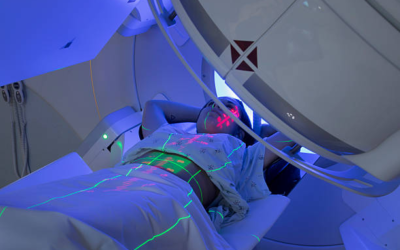
Is Radiation Therapy Safe? Separating Myths from Facts About Radiotherapy
Radiation therapy is a widely used and effective treatment for many types of cancer. It works by using high-energy rays to target and kill cancer...
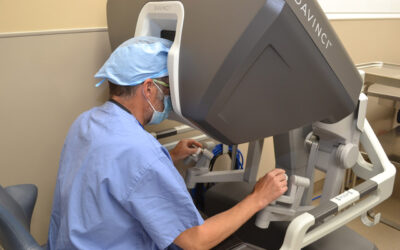
Good Candidate for Robotic Cancer Surgery
Most early to mid-stage cancer patients with tumors sitting in tight anatomical spaces like the pelvis, prostate, throat, or deep abdomen are ideal...

Robotic vs Laparoscopic Surgery for Cancer
Both robotic and laparoscopic cancer surgery use small incisions instead of one large cut, but the robot adds 3D magnified vision, 7-degree wrist...

Chemotherapy vs Surgery: Which Comes First
Whether chemotherapy or surgery comes first depends entirely on cancer type, stage, tumor size, and how the oncology team plans to give you the best...

How to Prepare for Cancer Surgery?
Preparing for cancer surgery starts 2-4 weeks before your operation date and involves physical fitness optimization, nutritional loading to build...

Cytoreductive Surgery for Cancer
Cytoreductive surgery or CRS is an operation that removes all visible cancer deposits from the peritoneal cavity including stripping affected...

Can Cancer Surgery Spread Cancer?
No, properly performed cancer surgery does not spread cancer to other parts of the body. This is one of the oldest fears in oncology and it persists...

Side Effects of Cancer Surgery
Common side effects of cancer surgery include post-operative pain, fatigue, surgical site infection, bleeding, nerve damage, lymphedema, changes in...