
This website is being reviewed and updated in line with the National Medical Commission (NMC) guidelines on ethical advertising and public communication by registered medical practitioners.

No.96/A /9/1, 42nd cross, 3rd Main, 8th BIock, Jayanagar Bengaluru

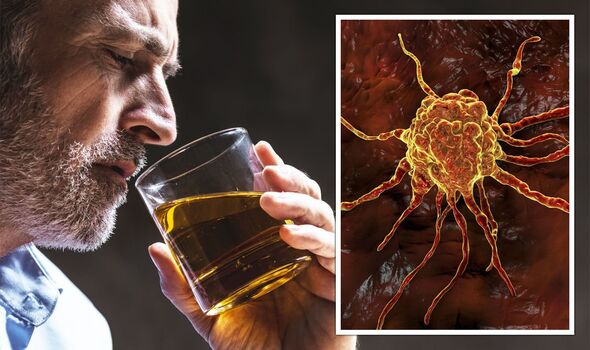
How Much Alcohol Increases Cancer Risk?

How Much Alcohol Increases Cancer Risk?

Any amount of alcohol increases cancer risk. There is no safe level. WHO classified alcoholic beverages as Group 1 confirmed carcinogen in 1988 and that classification hasn’t changed since. Ethanol breaks down into acetaldehyde in the body which directly damages...
  Do Mobile Phones Cause Brain Cancer?

  Do Mobile Phones Cause Brain Cancer?

Current evidence does not establish that mobile phones cause brain cancer. WHO classified phone radiation as Group 2B “possibly carcinogenic” in 2011 but the COSMOS study tracking 250,000 users found no higher brain tumor risk even among heavy callers with...
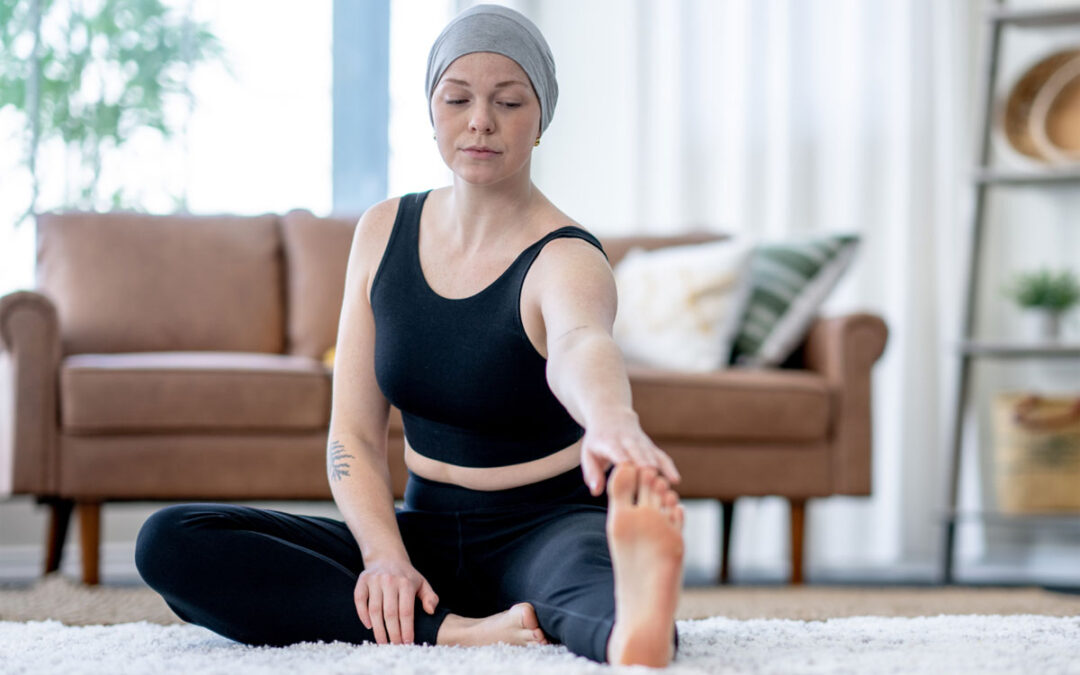
 Exercise After Cancer Surgery: What’s Safe

 Exercise After Cancer Surgery: What’s Safe

Walking starts within 24-48 hours after cancer surgery and is the single most important early activity for preventing blood clots, bowel recovery, and reducing hospital stay. Low-impact exercises like gentle stretching and light walking resume at 4 weeks and full...
 Diet Plan for Cancer Patients During Treatment

 Diet Plan for Cancer Patients During Treatment

Cancer patients need 25-35 calories and 1-1.5 grams protein per kilogram body weight daily during chemotherapy and radiation to prevent muscle wasting and tolerate treatment. Side effects like nausea, taste changes, and appetite loss make eating difficult so the plan...
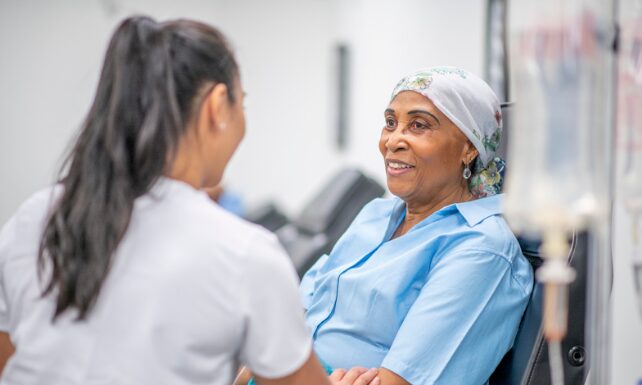
Mental Health Support During Cancer Treatment

Mental Health Support During Cancer Treatment

One in four cancer patients develops clinical depression and 12-15% experience severe anxiety, rates five times higher than the general population. Untreated psychological distress reduces treatment adherence, weakens immune function, and directly worsens survival...