

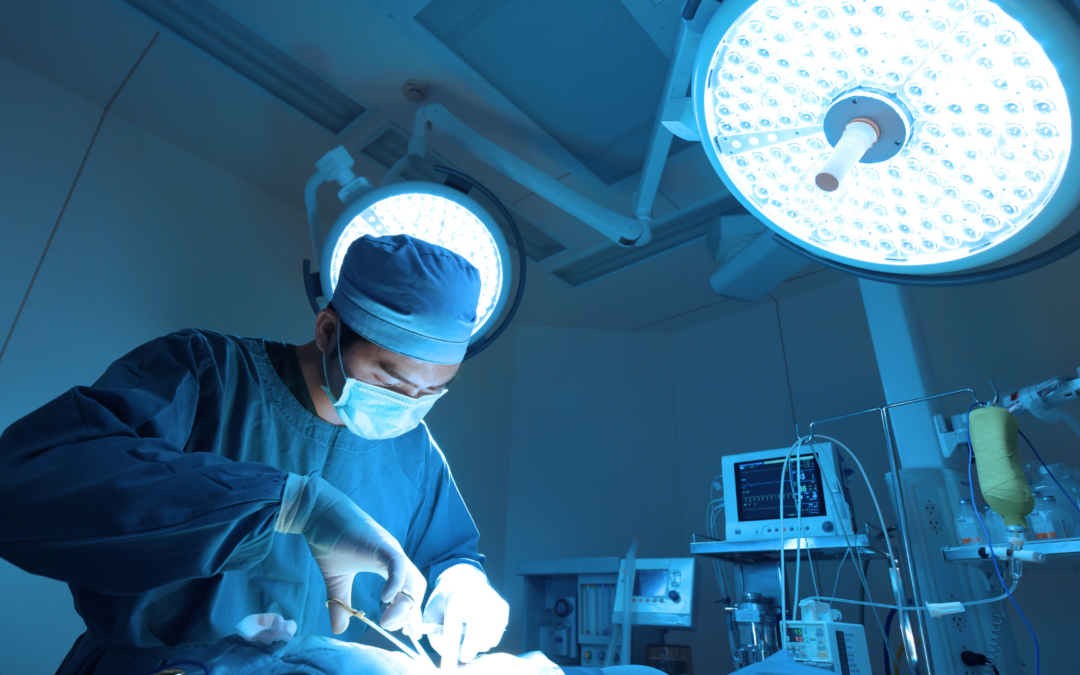
Yes, cancer can come back after surgery and it happens in roughly 20-40% of cases depending on cancer type, stage at diagnosis, and how completely the tumor was removed. Can show up again at the original site, in nearby lymph nodes, or in distant organs like liver, lungs, or bones. Early-stage cancers with clean margins have the lowest recurrence rates while advanced tumors carry higher risk even when the operation looked perfect from the outside.
According to Dr. Sandeep Nayak, Best cancer treatment in Bangalore,
“Removing what you can see doesn’t always mean you got what you can’t see, which is exactly why follow-up surveillance and adjuvant therapy exist.”
Why Does Cancer Come Back After Surgery
Surgery takes out the visible tumor. That part usually goes well. What it can’t always catch is microscopic cancer cells already sitting quietly in surrounding tissue or floating through your bloodstream before the surgeon even picked up the scalpel.
- Microscopic residue: Even clean margins on the pathology report don’t guarantee every last cell is gone. Individual cancer cells hide in tissue that looks perfectly normal under a microscope. No surgeon anywhere can promise 100% clearance because biology doesn’t work that way.
- Margin status: Positive margins mean cancer cells sitting right at the cut edge of removed tissue. Bad news. Negative margins are what everyone wants but even few millimeters difference between clear and close can change your recurrence odds significantly.
- Cancer biology: Some tumors are just mean by nature. Triple-negative breast cancer, high-grade sarcomas, pancreatic adenocarcinoma. These misbehave regardless of how textbook the surgery was because their whole growth pattern includes spreading microscopically before anyone detects the primary.
- Stage at surgery: Stage I caught small and contained, recurrence below 10% for many cancers. Stage III with nodes involved, 40-60% coming back even after complete removal. Horse left the barn before anyone opened the gate. That’s the brutal math.
Oncology team plans adjuvant treatment based on precision oncology profiling of your specific tumor biology to knock down whatever recurrence risk surgery left behind.
How Do You Catch Recurrence Early
Most recurrences show up first 2-3 years which is why that window gets the heaviest surveillance. After year 5 risk drops hard for most solid tumors. Never hits zero though. Nobody loves hearing that part but pretending otherwise helps no one.
- Surveillance schedule: Regular check-ins with exams, blood markers, imaging at set intervals. First two years every 3-4 months, then every 6 months till year 5, then annually. Skip these appointments and you’re basically flying blind hoping nothing grew back while you weren’t looking.
- Tumor markers: CEA for colorectal, CA-125 for ovarian, PSA for prostate, AFP for liver. These numbers trend over time and a rising count even when you feel completely fine can trigger imaging that catches recurrence months before any symptom shows. Imperfect tools but best early warning we’ve got.
- Imaging: CT, PET-CT, or MRI at scheduled points depending on your cancer type. Surgeon decides which scan and when based on where recurrence most likely pops up first. Don’t go ordering random scans yourself because scanning without clinical context creates more panic than answers and your immunotherapy or chemo team needs clean baseline data not noise.
- Adjuvant therapy: Chemo, radiation, hormone therapy after surgery exists to kill invisible leftover cells before they become detectable recurrence. Skipping it because you feel great post-surgery is gambling. Your oncologist already ran the numbers on your specific risk. Trust those numbers.
Structured follow-up separates patients who catch recurrence at 8 millimeters from those who find out at 5 centimeters. Read about recovery time after cancer surgery to see how post-surgery healing connects to your long-term surveillance plan.
Why Choose MACS Clinic?
Dr. Sandeep Nayak’s team at MACS Clinic doesn’t consider surgery done when the stitches close. Every patient walks out with a five-year surveillance calendar. Specific scan dates, marker tests, clinic visits. All mapped before discharge, not figured out later when everyone’s busy and follow-up falls through the cracks. The difference between catching something at millimeters versus centimeters is the difference between a minor procedure and a major battle. Protocol here is built around finding trouble while it’s still small enough to handle easily.
Call +91 8035740000
Book your consultation for cancer treatment at MACS Clinic, Bangalore.
FAQs
What percentage of cancers come back after surgery?
Roughly 20-40% depending on cancer type, stage, and margin status.
When is cancer most likely to recur?
Most recurrences happen within the first 2-3 years after surgery.
Does chemotherapy after surgery prevent recurrence?
Significantly reduces risk but cannot guarantee zero recurrence.
How do I know if my cancer has come back?
Rising tumor markers, new symptoms, or abnormal findings on surveillance imaging.
References
- Cancer recurrence and surveillance — National Cancer Institute
- Post-surgical cancer follow-up guidelines — World Health Organization