
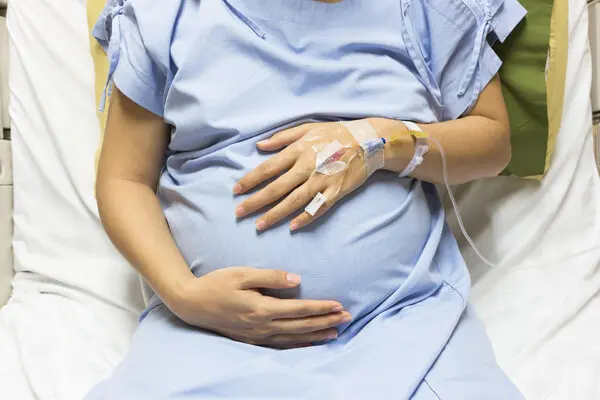
Yes, certain cancer surgeries can be safely performed during pregnancy, most commonly in the second trimester between weeks 14-28 when risk to both mother and baby is lowest. Breast cancer surgery, thyroid removal, cervical procedures, melanoma excision, and some abdominal operations have all been done on pregnant patients without harming the baby. First trimester carries miscarriage risk from anesthesia. Third trimester risks preterm labor. Second trimester is the window where organs are formed and the uterus isn’t yet big enough to get in the surgeon’s way.
According to Dr. Sandeep Nayak, Best cancer treatment in Bangalore, “Telling a pregnant woman she has cancer is one of the hardest conversations in oncology. But making her wait nine months while tumor grows isn’t an option when the biology says act now.”
Which Cancers Can Be Operated During Pregnancy?
Not every cancer needs the knife while you’re pregnant. Some wait safely till delivery. Others won’t. Comes down to how fast the thing is growing, where it’s sitting, and whether three to six months of delay gives it time to become something much uglier than what it is today.
- Breast cancer: Most common cancer found during pregnancy. Lumpectomy and mastectomy both safe in second trimester. Sentinel node biopsy uses blue dye instead of radiotracer so baby gets zero radiation. Thousands of pregnant women have had this done worldwide. Not experimental anymore.
- Thyroid cancer: Papillary type is usually slow enough to wait till after delivery. But if it’s growing fast or pressing on the airway, thyroid surgery in second trimester has solid safety data for mother and baby both. Anesthesia team just needs to know what they’re managing.
- Cervical cancer: Early stage caught during pregnancy can sometimes hold if baby is close to viable. Advanced cases may need surgery regardless of timing. Cone biopsy and radical trachelectomy have both been performed on pregnant patients at specialized centers. Rare but documented.
- Melanoma: Wide excision under local anesthesia can happen any trimester without fuss. Deeper procedures needing general anesthesia get pushed to second trimester. Letting an aggressive melanoma sit because you’re pregnant is riskier than the surgery. Full stop.
Oncology team works directly with your OB-GYN through precision oncology planning to find the timing where both lives get the best shot.
What Precautions Protect Mother and Baby During Surgery?
Team doesn’t just operate normally and cross fingers. Every decision from which drug goes into your IV to which angle you lie at on the table gets modified because there’s someone else in there who didn’t sign up for this.
- Anesthesia choice: Some drugs cross the placenta, some don’t. Anesthetist picks agents with decades of pregnancy safety data behind them. Propofol, fentanyl, sevoflurane. All extensively studied. No increased birth defect risk in second trimester. Your anesthetist knows this list by heart.
- Fetal monitoring: Baby’s heart rate tracked before, during, after surgery. Fetal distress shows up mid-operation, there’s an OB-GYN physically in the building ready to step in. Not on-call twenty minutes away. In the building. That distinction matters when seconds count.
- Positioning: Past 20 weeks the uterus squashes a major vein when you’re flat on your back. Left lateral tilt of 15-30 degrees fixes this. Small adjustment. Massive consequence if skipped because blood flow to placenta drops and that’s how preventable problems happen during otherwise routine procedures.
- No radiation: Zero CT contrast, zero PET-CT, zero intraoperative radiation. Ultrasound and MRI without gadolinium handle most staging needs. If something absolutely requires radiation the belly gets lead shielding and dose stays at rock-bottom minimum. Nobody takes chances here.
Getting the timing right protects both lives without letting cancer run free. Read about breast cancer surgical options to see how treatment approach shifts when pregnancy is part of the picture.
Why Choose MACS Clinic?
Dr. Sandeep Nayak has operated on pregnant cancer patients where the referring hospital said wait and the tumor disagreed. MACS Clinic works directly with maternal-fetal medicine specialists so every call accounts for two patients not one.
Nobody takes this casually here. Separate consent process. Dedicated OB-GYN present during the operation. Neonatal team on standby. Because cutting into a pregnant woman with cancer isn’t just surgery. It’s two lives riding on one team getting every single detail right and there’s no room for winging it.
Call +91 8035740000 to book your consultation.
Book your consultation for cancer treatment at MACS Clinic, Bangalore.
FAQs
Is anesthesia safe during pregnancy for cancer surgery?
Second trimester anesthesia with selected agents has strong safety data worldwide.
Can chemotherapy be given during pregnancy?
Some regimens are safe in second and third trimester but never first.
Will cancer surgery harm my baby?
When timed correctly in second trimester, surgery poses minimal fetal risk.
Should I delay cancer treatment until after delivery?
Depends on cancer type and growth rate. Some wait safely, aggressive ones cannot.
References
- Cancer treatment during pregnancy — National Cancer Institute
- Pregnancy and cancer management guidelines — World Health Organization.