
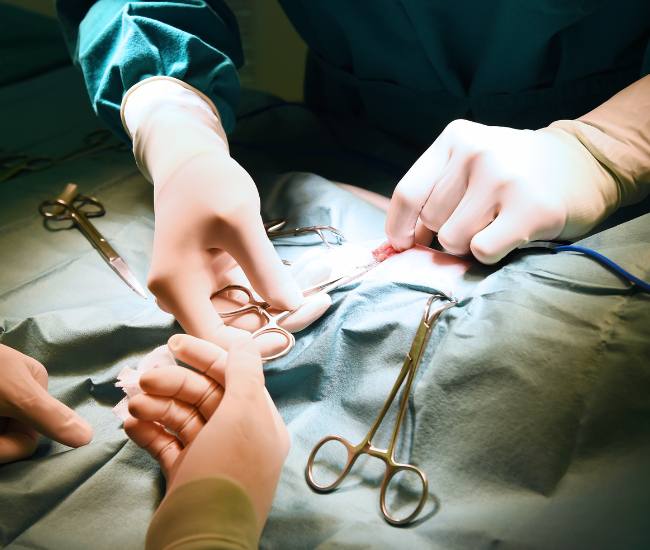
Cytoreductive surgery or CRS is an operation that removes all visible cancer deposits from the peritoneal cavity including stripping affected peritoneal lining, removing involved organs or organ segments, and clearing tumor nodules from abdominal surfaces. Usually combined with HIPEC or PIPAC for cancers that have spread across the peritoneal lining from colorectal, ovarian, gastric, appendiceal, or mesothelioma primaries. Goal isn’t just debulking. Goal is zero visible disease left behind because completeness of cytoreduction is the single biggest predictor of whether you live years or months after this operation.
According to Dr. Sandeep Nayak, Best cancer treatment in Bangalore, “CRS changed peritoneal cancer from a death sentence to a treatable condition for the right patients. But the surgery only works when the surgeon is willing to spend 8-10 hours getting every last deposit out instead of leaving residual disease behind and calling it done.”
What Happens During Cytoreductive Surgery?
Not a quick operation. This is one of the longest and most technically demanding surgeries in oncology. Surgeon systematically goes through every surface inside the abdomen removing anything that looks like cancer. Think of it like cleaning a room by checking every corner, wall, and ceiling instead of just sweeping the middle.
- Peritonectomy: Surgeon strips the peritoneal lining from areas where cancer has implanted. Parietal peritoneum off the abdominal wall, diaphragmatic peritoneum if deposits reach that high. Looks aggressive but the peritoneum regenerates within weeks so what gets stripped grows back cancer-free.
- Organ resection: If cancer has invaded an organ surface it comes out with the organ. Could mean removing sections of bowel, gallbladder, spleen, part of the stomach, appendix, or uterus depending on where the disease planted itself. Nothing stays behind if it has tumor on it.
- PCI scoring: Before cutting anything the surgeon maps the entire abdomen using the Peritoneal Cancer Index, scoring 13 regions from 0-3 each. Total PCI determines whether complete cytoreduction is achievable. Score above 20 for colorectal origin means the math starts working against you and HIPEC benefit diminishes significantly.
- Heated chemo wash: After removing all visible disease the abdomen gets bathed in heated chemotherapy at 42-43°C for 60-90 minutes. This kills microscopic cancer cells the surgeon’s eyes can’t see. CRS without HIPEC leaves invisible disease behind. HIPEC without CRS treats disease it can’t penetrate. Together they cover both bases.
Team walks you through the complete CRS protocol during your MACS advantages consultation including realistic expectations about surgery duration and recovery.
Who Qualifies for Cytoreductive Surgery?
Not every peritoneal cancer patient is a candidate. CRS is a massive surgery and putting someone through 8-12 hours on the table when the disease pattern says it won’t work is cruelty disguised as treatment. Selection is everything.
- Disease burden: PCI score below 20 for colorectal origin and below 25 for ovarian gives the best outcomes. Beyond those thresholds complete cytoreduction becomes technically impossible and incomplete CRS doesn’t improve survival enough to justify what the surgery takes out of you physically.
- Primary cancer type: Ovarian cancer responds best to CRS-HIPEC with some studies showing 5-year survival above 50% when cytoreduction is complete. Appendiceal and colorectal peritoneal disease also benefit significantly. Gastric peritoneal mets have lower response rates and patient selection needs to be even stricter.
- Patient fitness: Surgery runs 8-12 hours. Recovery takes 2-3 weeks in hospital. You need solid cardiac, pulmonary, and nutritional reserves to survive this and bounce back from it. Malnourished patients or those with failing organs won’t make it through the post-op period well enough to benefit from what was accomplished on the table.
- Completeness goal: Surgeon must believe CC-0 or CC-1 score is achievable meaning no visible residual disease or deposits under 2.5 mm only. If the team looks at imaging and knows they can’t get there then CRS shouldn’t happen. Incomplete cytoreduction with HIPEC has significantly worse outcomes than getting the selection right in the first place.
Right patient for this surgery gets years. Wrong patient gets suffering. Read about HIPEC surgery cost in India to understand the full financial picture of CRS-HIPEC treatment.
Why Choose MACS Clinic?
Dr. Sandeep Nayak has performed cytoreductive surgery with HIPEC for over fifteen years across colorectal, ovarian, appendiceal, and gastric peritoneal cancers. MACS Clinic has a dedicated perfusion setup and a team that does these marathon surgeries regularly, not once a quarter when a case happens to walk in.
Patient selection here is ruthlessly honest. If CRS won’t deliver a meaningful outcome the team says so instead of operating anyway because the family is desperate and the bill is large. That honesty is harder than the surgery itself but it’s what separates a center that does CRS from one that does CRS well.
Call +91 8035740000 to book your consultation.
Book your consultation for cancer treatment at MACS Clinic, Bangalore.
FAQs
How long does cytoreductive surgery take?
Typically 8-12 hours depending on disease extent and organs involved.
What is PCI score in peritoneal cancer?
Peritoneal Cancer Index scoring 13 abdominal regions from 0-3 each, max 39.
Is CRS-HIPEC a cure for peritoneal cancer?
In selected patients with complete cytoreduction, long-term remission is achievable.
How long is hospital stay after CRS-HIPEC?
Most patients spend 2-3 weeks in hospital including ICU monitoring initially.
References
- Cytoreductive surgery principles — National Cancer Institute.
- Peritoneal surface malignancy treatment — World Health Organization.