

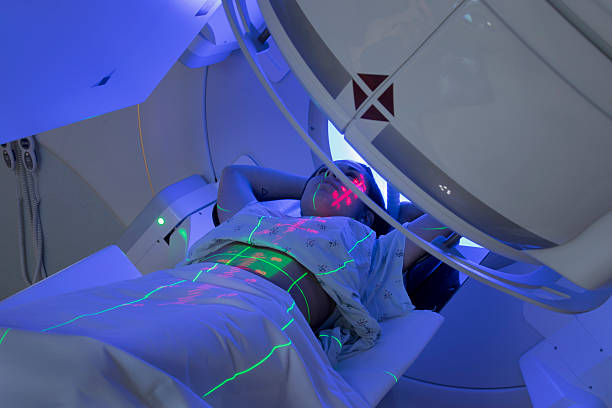
Radiation therapy is a widely used and effective treatment for many types of cancer. It works by using high-energy rays to target and kill cancer cells, either as a primary treatment or in combination with surgery and chemotherapy. However, despite its effectiveness, there are many misconceptions about radiation therapy, particularly concerning its safety and long-term effects. People often worry about the potential risks, side effects, and how it might affect their quality of life.
Dr. Sandeep Nayak, a renowned surgical oncologist in India, assures,
“When used properly, radiation therapy is a safe and essential part of cancer treatment. The benefits far outweigh the risks, especially with advances in precision radiotherapy.”
At MACS Clinic, Dr. Sandeep Nayak and his expert team have helped countless patients in Bangalore navigate complex cancer treatments safely and effectively. His comprehensive approach ensures patients receive the most accurate and personalized care possible, leading to the best outcomes while minimizing unnecessary risks.
Curious about how radiation therapy works? Let’s break it down.
What is Radiation Therapy?
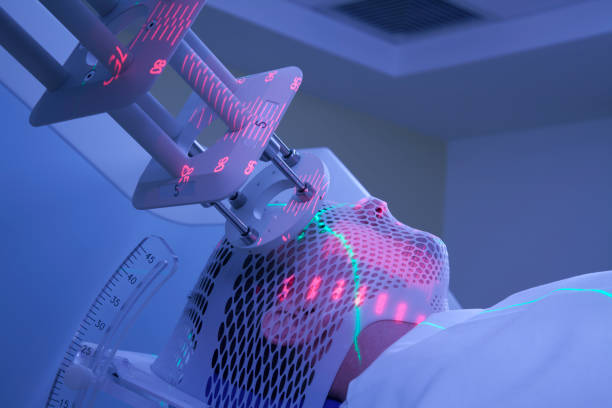
Radiation therapy uses high-energy radiation to target and destroy cancer cells or shrink tumors. It can be delivered externally through a machine (external beam radiation) or internally through radioactive materials placed directly into or near the tumor (brachytherapy). Radiation therapy is used to treat various cancers, either as a primary treatment or in combination with surgery, chemotherapy, or immunotherapy. The goal is to kill cancer cells while minimizing damage to the surrounding healthy tissue.
Wondering if radiation therapy is as safe as it is effective? Let’s dive into the details.
Is Radiation Therapy Safe?
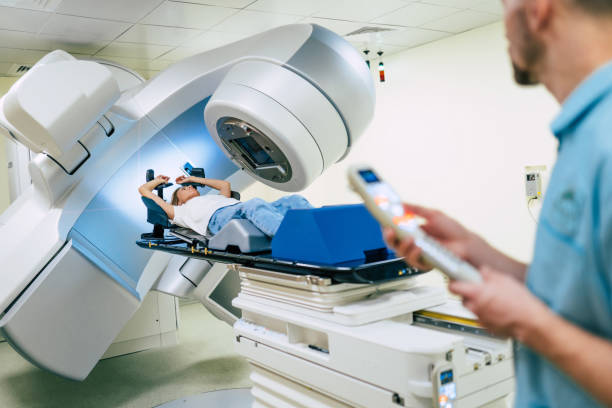
Radiation therapy uses high-energy radiation to target and destroy cancer cells or shrink tumors. It can be delivered externally through a machine (external beam radiation) or internally through radioactive materials placed directly into or near the tumor (brachytherapy). Radiation therapy is used to treat various cancers, either as a primary treatment or in combination with surgery, chemotherapy, or immunotherapy. The goal is to kill cancer cells while minimizing damage to the surrounding healthy tissue.
There are many myths surrounding radiation therapy, often causing unnecessary fear. Let’s debunk some of the most common ones.
Common Myths About Radiation Therapy
Myth 1: Radiation therapy causes cancer.
Fact: Radiation therapy is used to treat cancer, not cause it. It targets cancer cells, but the risk of developing a new cancer due to radiation is extremely low, and the benefits of treatment far outweigh this small risk.
Myth 2: Radiation therapy makes you radioactive.
Fact: Patients undergoing external radiation therapy are not radioactive and cannot make others sick. Only patients undergoing specific treatments, such as brachytherapy (internal radiation), may need special precautions.
Myth 3: Radiation therapy is always painful.
Fact: Radiation therapy itself is painless. Patients may feel fatigue or skin irritation during treatment, but the therapy itself doesn’t cause pain.
Myth 4: Radiation therapy is only for advanced cancer
Fact: Radiation therapy is used at various stages, including before surgery to shrink tumors and after surgery to eliminate remaining cancer cells.
Myth 5: Radiation therapy is a last resort
Fact: Radiation therapy is a standard treatment used in combination with other therapies for many cancers, not just as a last resort.
Myth 6: Radiation therapy weakens the immune system
Fact: Radiation therapy may slightly affect the immune system temporarily, but it generally recovers after treatment.
What’s the reality about radiation therapy? Let’s set the record straight.
The Facts About Radiation Therapy
Precision
With the modern radiation therapy methods, treatment is highly precise, and the radiation is focused on the cancer cells but spares healthy cells.
Effectiveness
Radiation is highly effective when it comes to treating localized tumors as well as shrinking tumors before surgery.
Side Effects
Although side effects such as fatigue, skin irritation, and nausea may occur, they are usually temporary and can be easily managed.
Treatment Schedule
Radiation therapy is generally administered in small doses over a period of weeks, a process termed fractionation that minimizes the risk of damage to normal tissues.
No Radioactive Emission
Patients undergoing external radiation are not radioactive and pose no risk to others.
Side Effects of Radiation Therapy
Similar to any other treatment, radiation therapy can lead to side effects, although they differ depending on the area being treated.
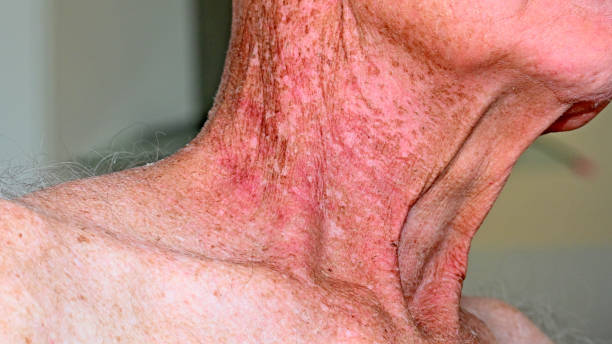
Fatigue:
During treatment, many patients experience fatigue, but this usually resolves when treatment ends.
Skin Changes:
Radiation can cause skin irritation or redness, which can be soothed using moisturizers and avoiding sun exposure.
Nausea and Vomiting:
Nausea occurs especially during abdominal radiation, and it can be managed by taking anti-nausea drugs and smaller meals.
Hair Loss:
The treated area of the body may lose hair, which typically regrows after treatment.
Swelling and Tenderness:
Swelling can occur in the treated area and can be reduced with elevation and compression garments.

Long-term Effects:
Some long-term effects, like lung or heart issues, may develop, and regular follow-ups help manage them.
Such side effects are typically temporary, and most patients recover once treatment is completed. Your oncologist will assist in managing and reducing these side effects.
When is radiation therapy recommended, and who can benefit from it? Let’s find out.
When to Consider Radiation Therapy?
Pre-surgery:
To reduce the size of large tumors, it is made easier to remove them by surgery.
Post-surgery:
To remove any remaining cancer cells that might have been missed during surgery.
Palliative Care:
To relieve symptoms like pain, bleeding, or obstruction in advanced or metastatic cancers.
Inoperable Tumors:
For tumors that cannot be surgically removed, radiation can help target and reduce them.
Localized Cancer:
When cancer is confined to one area, radiation can be used to destroy the tumor without affecting surrounding tissues.
Your oncologist will evaluate your specific cancer type, stage, and overall health to determine if radiation therapy is appropriate.
Conclusion
Radiation therapy is an effective and generally safe treatment for cancer, playing a key role in both curative and palliative care. While myths and concerns exist, modern advances in radiotherapy techniques ensure that treatment is more precise and less harmful to healthy tissue than ever before.
Understanding the facts about radiation therapy can help alleviate fears and guide patients toward making informed decisions about their treatment options. Consult a proficient oncologist, such as Dr. Sandeep Nayak, to discuss the best cancer treatment for your specific needs and to obtain accurate information on radiation therapy.
FAQs
1. Does radiation therapy cause cancer?
No, radiation therapy is used to treat cancer, not cause it. The risk of developing a new cancer due to radiation is very low and is carefully monitored.
2. Is radiation therapy painful?
No, radiation therapy itself is not painful. However, side effects like fatigue or skin irritation may occur during or after treatment.
3. How long does radiation therapy take?
Radiation therapy is typically delivered over several weeks, with treatments given in small doses for around 15-20 minutes to minimize damage to healthy tissue.
4. What are common side effects of radiation therapy?
Common side effects include fatigue, skin irritation, and digestive issues, but these are usually temporary and can be managed.
5. Can radiation therapy cause long-term effects?
Some long-term effects are possible, but they are rare. Your oncologist will discuss potential risks and monitor for any issues after treatment ends.
References
- https://www.cancer.org/cancer/managing-cancer/treatment-types/radiation/safety.html
- https://ecancer.org/en/news/25972-study-shows-high-precision-radiation-therapy-is-safe-for-patients-with-cancer-that-has-spread-throughout-body
Disclaimer: The information shared in this content is for educational purposes and not for promotional use.