

Cancer is a global health challenge, with millions of new diagnoses annually. According to estimates, the WHO reported approximately 19.3 million new cases globally in 2020. In India, cancers like lung, breast, and colorectal are on the rise. Patients seek effective treatments, and in this context, natural remedies such as turmeric have come into significant focus.
One of the most frequent questions asked: Is Turmeric a Cancer Cure? Turmeric has become a recent area of growing interest among patients and researchers alike due to its anti-inflammatory and antioxidant properties.
Dr. Sandeep Nayak, a globally acclaimed surgical oncologist in India, notes that while turmeric has shown some potential in cancer prevention and treatment, it is not a standalone cure. It can, however, play a complementary role in managing certain cancer-related symptoms and enhancing the effectiveness of conventional treatments.
MACS Clinic, led by Dr. Sandeep Nayak, is recognized for its excellence in advanced surgical oncology and precision-based cancer treatment in Bangalore. With years of experience and a patient-centered approach, Dr. Nayak and his team at MACS Clinic continue to explore credible scientific advancements—including the role of natural compounds like turmeric—in cancer prevention and treatment, ensuring patients receive holistic and informed care while addressing important questions such as Is Turmeric a Cancer Cure.
Can turmeric really play a role in cancer prevention and treatment? Let’s discover how this powerful spice might help.
How Turmeric Can Help in Cancer Prevention and Treatment
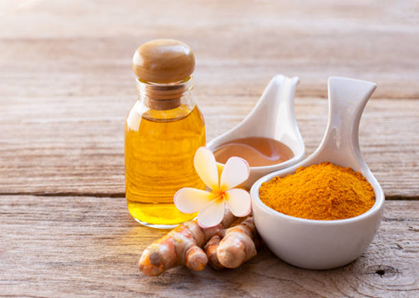
Turmeric, specifically its active compound curcumin, has been researched for its potential to both prevent and support cancer treatment. Curcumin has potent anti-inflammatory, antioxidant, and anticancer properties that may help reduce the risk of cancer by neutralizing harmful free radicals and lowering inflammation in the body. Chronic inflammation is linked to the development of many cancers, so reducing inflammation may help lower the risk.
Research shows that curcumin can block signaling pathways involved in cancer cell growth, survival, and spread. It may inhibit tumor growth, prevent metastasis, and induce apoptosis in cancer cells. Curcumin has shown potential in cancers like breast, colorectal, prostate, and lung cancer.
While turmeric should not be seen as a replacement for conventional cancer treatments, it can be a complementary addition to a holistic cancer care plan. It may enhance the effectiveness of chemotherapy and reduce some side effects associated with cancer treatments, such as fatigue, nausea, and inflammation.
How effective is turmeric in cancer treatment? Let’s dive into the research
Research on Turmeric and Cancer

The research on turmeric and its potential role in cancer treatment is still ongoing, but there is some promising data. Several studies have suggested that curcumin, the active ingredient in turmeric, may help to slow the growth of cancer cells by targeting specific pathways involved in cancer development. Curcumin has been shown to inhibit tumor cell growth, reduce angiogenesis (the formation of new blood vessels in tumors), and even promote apoptosis (programmed cell death) in cancer cells.
A study published in the journal Molecular Cancer Therapeutics found that curcumin could inhibit the growth of breast cancer cells in lab settings. Similarly, other studies have indicated that curcumin may have potential in treating colorectal, lung, and pancreatic cancers. However, these studies were conducted primarily in vitro (in test tubes) or in animal models, and human clinical trials are still limited.
According to Dr. Sandeep Nayak, turmeric may hold promise as an adjunctive treatment but one should not solely rely on it in cancer care. Cancer treatment, hence, should be considered from a multidisciplinary aspect which includes chemotherapy, radiation, targeted therapies as well as the potential benefits of natural supplements such as turmeric.
Could turmeric be the magic bullet for cancer? Let’s explore the reality behind this common myth.
Can Turmeric Cure Cancer? The Myth vs. Reality
One of the common myths among cancer patients is that turmeric can cure cancer; this is usually accompanied by a testimonial or some other kind of unsubstantiated claim. Although the potential of turmeric to fight off inflammation, reduce oxidative stress, and probably inhibit the growth of tumor cells cannot be discarded, it is time to separate fact from myth.

The available scientific data do not support that turmeric alone can cure cancer. Cancer treatment is multifaceted and has to be a combined effort involving surgery, chemotherapy, immunotherapy and radiation. Turmeric, though beneficial as an addition to a healthy diet or for treating cancer, cannot replace these critical treatments. According to Dr. Sandeep Nayak, patients can take turmeric as an additional dietary supplement, but it should be done as part of an integrated treatment approach and not as a line of treatment itself.
Conclusion
In light of this, the question “Is turmeric a cancer cure?” is one that needs careful consideration. Whereas turmeric has proven to be one of the most potent spices with anti-inflammatory and antioxidant qualities, making it a very good cancer preventative and supportive treatment, it cannot be called a cure for cancer. Further research will be necessary to completely understand its place in cancer therapy and consideration should always be made as part of a wider, evidence-based treatment plan.
Cancer treatment, under the guidance of professionals such as Dr. Sandeep Nayak at MACS Clinic, aims to take an integrated approach, combining conventional therapies with supplementary measures for the best results.
Frequently Asked Questions
1. Can turmeric cure cancer?
No, while turmeric has anti-inflammatory properties, it is not a cure for cancer.
2. Is turmeric good for all types of cancer?
Turmeric may have benefits in preventing or supporting the treatment of various cancers, but more research is needed for specific types.
3. Can turmeric shrink tumors?
Some studies suggest that curcumin may inhibit tumor growth in vitro and in animal models, but further human studies are required.
4. Does turmeric interfere with cancer treatments?
In general, turmeric is considered safe, but it may interact with certain medications or treatments, so consult your doctor before use.
5. What are the side effects of turmeric?
When taken in large doses, turmeric can cause digestive issues such as nausea and an upset stomach.
Reference links:
https://www.webmd.com/cancer/can-turmeric-fight-cancer
Disclaimer: The information shared in this content is for educational purposes and not for promotional use.