
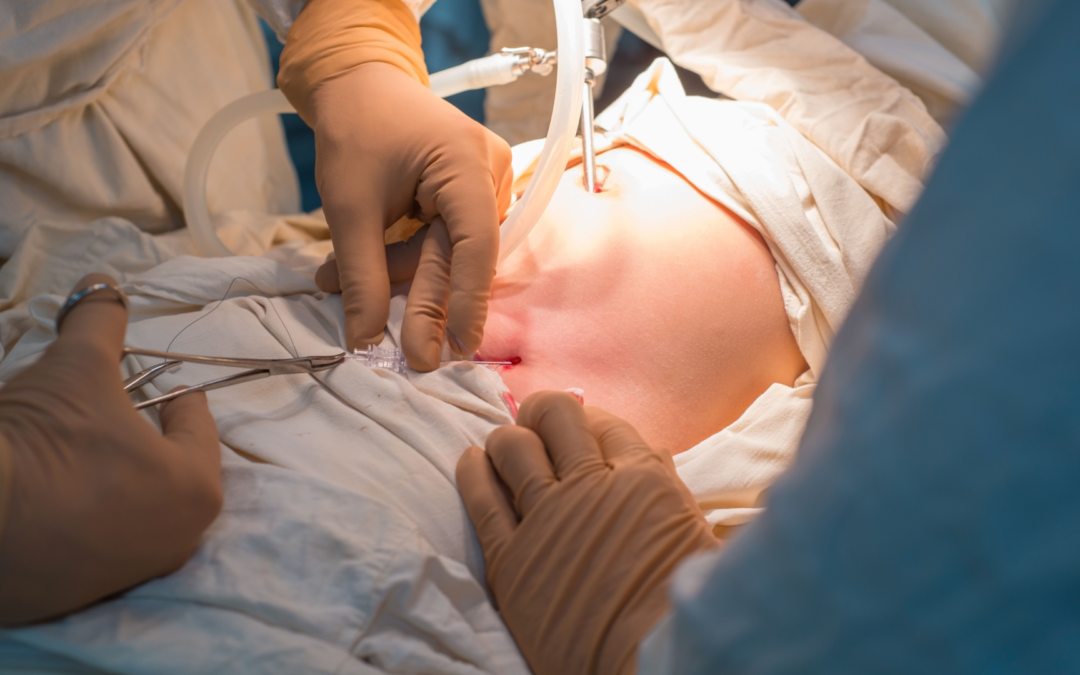
Laparoscopic cancer surgery uses 3-4 small cuts of 5-12 mm each while open surgery needs one big incision running 15-30 cm depending on where the cancer is sitting. Cure rates are equal for most cancers when done by someone who knows what they’re doing but laparoscopic patients leave hospital days earlier, bleed less, hurt less, and get back to real life roughly twice as fast. Not a small difference when you’re the one lying in that bed.
According to Dr. Sandeep Nayak, Surgical oncologist in Bangalore,
“I switched to laparoscopic years ago because watching patients struggle through open surgery recovery when something better existed didn’t sit right with me anymore.”
What Physical Symptoms Suggest Cancer Has Come Back
Not just smaller cuts. Everything changes. Time under anesthesia, blood on the table, how fast your gut wakes up, when you eat first meal, when you walk, when you leave
- Incision size: Open leaves a 15-30 cm wound. Takes weeks to close, months before your abdominal wall feels like it belongs to you again. Laparoscopic uses 3-4 tiny ports. Less tissue torn apart. Less pain. Less scarring. Fewer wound problems. Pretty straightforward math.
- Recovery speed: Open patients sit in hospital 7-14 days then another 6-8 weeks at home before feeling human. Laparoscopic patients walk out in 3-5 days, back at desk within 2-3 weeks. Bills don’t stop because you had surgery. That time gap costs real money.
- Blood loss: Camera magnifies everything so surgeon sees better, cuts less, cauterizes faster. Blood loss drops 40-60%. Fewer transfusions. Lower infection risk after. Your hemoglobin thanks you.
- Cancer outcomes: Part everyone worries about most. CLASSIC trial, COLOR trial, COST trial. All showed same cancer clearance, same margins, same node harvest, same survival. Colon, rectal, gastric, kidney, gynecological cancers. Equal cure rate. Just less misery getting there.
Surgical team explains which approach fits your tumor when you sit down to review MACS advantages including robotic options that push precision further still.
When Is Open Surgery Still the Smarter Call
Laparoscopic isn’t always an option. Sometimes open is genuinely safer and a surgeon worth trusting knows when to switch instead of forcing a technique where it doesn’t belong. Ego kills in operating rooms.
- Massive tumors: Anything past 10-12 cm sometimes needs open access because that mass won’t fit through a small port site without risking rupture. Spilling cancer cells during extraction is catastrophically worse than a longer scar. No comparison.
- Adhesion mess: Previous belly surgeries leave scar tissue everywhere inside. Heavy adhesions make laparoscopic navigation dangerous because camera can’t see through tangled tissue. Surgeon might start laparoscopic then convert open halfway if prior operations left too much internal mess to safely work around.
- Vessel invasion: Tumor wrapped around major blood vessels or stuck to neighboring organs sometimes needs hands directly on tissue. Instruments through ports can’t always give the feel needed when you’re peeling tumor off an artery. Millimeters matter there. Literally.
- Surgeon honesty: Laparoscopic cancer surgery has a nasty learning curve. Someone with 500 open cases and 10 laparoscopic ones should do what they’re best at on your cancer. Right technique in shaky hands is more dangerous than older technique in confident ones. Ask your surgeon their numbers. Uncomfortable question but your body, your right.
Right choice depends on cancer, body, and surgeon’s honest read of the situation. Read about recovery after cancer surgery to see how surgical method directly shapes your healing.
Why Choose MACS Clinic?
Dr. Sandeep Nayak pioneered laparoscopic and robotic cancer surgery in India. Thousands of cases across every major cancer type. MACS Clinic wasn’t converted from a general hospital. Built from ground up for minimal access cancer work. Different foundation entirely. Team here doesn’t pick one approach for everyone. They read your scan, measure your tumor, check your surgical history, then choose whatever gives you the best shot at walking out well. Laparoscopic usually. Robotic sometimes. Open when needed. Nobody here pretends one answer fits everybody because it doesn’t.
Call +91 8035740000
Book your consultation for cancer treatment at MACS Clinic, Bangalore.
FAQs
Is laparoscopic surgery safer than open surgery for cancer?
Equally safe with lower complication rates when done by experienced surgeons.
Does laparoscopic surgery remove cancer as completely as open?
Yes, multiple trials confirm equal cancer clearance and survival rates.
Is laparoscopic cancer surgery more expensive?
Slightly higher upfront but shorter stay usually balances it out.
Can all cancers be treated laparoscopically?
No, very large or locally advanced tumors may still need open surgery.
References
- Minimally invasive cancer surgery outcomes — National Cancer Institute
- Laparoscopic versus open surgery evidence — World Health Organization