
Rectal cancer, a form of colorectal cancer, is a significant health concern worldwide. Its incidence is reportedly increasing in many countries. Millions suffer from this disease worldwide every year, and in India, too, the incidence of rectal cancer has been increasing. Diagnosis often occurs due to changes in bowel habits, blood in stool and unexplained weight loss. Early diagnosis and early treatment hold the key to better patient outcomes.
According to Dr. Sandeep Nayak, an eminent oncologist in India, the advancement in technology and treatment modalities has dramatically enhanced the prognosis of rectal cancer, especially if it is diagnosed at an early stage. The integration of precision medicine and personalized treatment options has greatly improved the outcomes in the treatment of rectal cancer.
At MACS Clinic, we pride ourselves on being at the forefront of innovative cancer treatment in Bangalore, India. Led by Dr. Sandeep Nayak, we specialize in advanced rectal cancer treatments and offer personalized care based on the latest medical advancements. With expertise in both surgical and non-surgical approaches, we provide comprehensive treatment options for patients with rectal cancer to ensure the best possible outcomes.
First, let’s explore the basics of rectal cancer, including how it develops and the risks associated with it.
What is Rectal Cancer?
Rectal cancer is a kind of cancer that originates in the rectum, which is the last several inches of the large intestine before the anus. This is a subtype of colorectal cancer, which can involve both the colon and the rectum. Generally, the process of rectal cancer starts as polyps-small growths in the lining of the rectum-which may turn cancerous over time. As the cancer grows, it may invade the surrounding tissues and spread to other parts of the body through the lymphatic system or bloodstream.
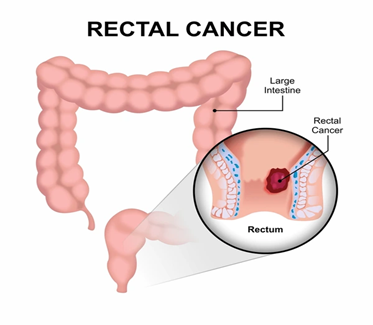
Early symptoms may include changes in bowel habits, blood in stool, persistent abdominal discomfort and unexplained weight loss. Regular screening, especially for individuals over the age of 50 is recommended for early detection of rectal cancer. Treatment options vary depending on the cancer’s stage, location, and the patient’s overall health.
Now, let’s delve into the conventional treatment options used for years to manage rectal cancer.
Traditional Treatment Methods for Rectal Cancer
Traditional treatment methods for rectal cancer have long included surgery, chemotherapy, and radiation therapy. Surgery is often the primary treatment for localized rectal cancer, and it may involve removing the tumor or part of the rectum in an effort to achieve complete resection. In more advanced stages, chemotherapy and radiation therapy are used to shrink tumors before surgery or to treat cancer that has spread.

Chemotherapy for rectal cancer involves the use of drugs to kill cancer cells or stop their growth. These drugs can be administered orally or through an IV. In many cases, chemotherapy is used in conjunction with radiation therapy to improve outcomes, especially in cases where surgery is not immediately possible.

Radiation therapy for rectal cancer uses high-energy radiation to target and destroy cancer cells. It may be given either before an operation to shrink a tumor or afterward to target any remaining cancer cells. Such traditional treatments have proved very effective for many patients, but newer methods are now being tried in order to improve survival rates further and reduce side effects by providing more targeted treatments.
Are there new, innovative treatment options for rectal cancer? Let’s discover the latest advances in rectal cancer treatment.
Latest Advances in Rectal Cancer Treatment
The field of rectal cancer treatment has witnessed remarkable innovations in recent years, offering patients new hope for better outcomes and fewer side effects. Targeted therapies and immunotherapy are two of the most promising advancements in this field.

Targeted therapies are designed to specifically attack cancer cells without damaging normal tissues. By targeting the molecular abnormalities that cause cancer cells to grow uncontrollably, these therapies can effectively treat rectal cancer while minimizing side effects. Drugs such as bevacizumab (Avastin) and cetuximab (Erbitux) are currently being used to treat advanced rectal cancer.

Immunotherapy has emerged as a cutting-edge treatment for advanced rectal cancer. This approach stimulates the body’s immune system to recognize and destroy cancer cells more effectively. One such breakthrough treatment is pembrolizumab (Keytruda), which has shown promising results for patients with certain types of rectal cancer. For patients whose tumors have specific genetic mutations, immunotherapy may offer an effective alternative to traditional therapies.

Additionally, minimally invasive surgeries like laparoscopic and robotic-assisted surgery have made significant strides in rectal cancer treatment. These techniques allow for smaller incisions, reduced risk of infection, and faster recovery times compared to traditional open surgeries.
Let’s discuss why catching rectal cancer in its early stages can significantly improve treatment outcomes.
Why Early Detection is Key to Successful Treatment

Early detection of rectal cancer is crucial for improving the likelihood of successful treatment. Generally speaking, the sooner cancer is diagnosed, the greater the range of treatment options and the better the chance of complete remission. Regular colonoscopies can detect precancerous polyps or tumors before they become invasive. This can be especially lifesaving for people with a family medical history of colorectal cancer and who are therefore at higher risk.
According to Dr. Sandeep Nayak, the advancements in diagnostic imaging such as MRI and CT scans, have made it much easier to diagnose rectal cancer at an early stage than ever before. This advancement helps in further staging of the disease and better treatment planning.
Let’s explore the latest clinical trials and research efforts that are shaping the future of rectal cancer care.
Clinical Trials and Ongoing Research in Rectal Cancer Treatment
Clinical trials play a vital role in developing new treatments and improving existing ones for rectal cancer. Researchers are continually exploring novel drugs, therapies, and surgical techniques to improve the survival rates and quality of life for rectal cancer patients. Ongoing studies focus on exploring the combination of targeted therapies and immunotherapies, as well as evaluating the effectiveness of new chemotherapy regimens and radiation techniques.
At the MACS Clinic, we actively participate in ongoing research and clinical trials for better treatment options for our patients with rectal cancer. Along with other leading research institutions and universities, we are committed to bringing latest in cancer care for the benefit of our patients.
Conclusion
In the last few years, new hopes have been raised in the treatment of rectal cancer with advances in targeted therapies and immunotherapy, along with developments in surgical techniques. Obviously, the key to treatment is early detection but much more can be expected from ongoing research in the near future. At MACS Clinic, we are dedicated to offering the latest and advanced rectal cancer treatments, with the expertise of Dr. Sandeep Nayak, and a personalized approach to care.
Frequently Asked Questions
1. What are the symptoms of rectal cancer?
Common symptoms include blood in stool, unexplained weight loss, changes in bowel habits, and persistent abdominal discomfort.
2. What is the survival rate for rectal cancer?
Survival rates for rectal cancer vary depending on the stage at diagnosis, but early-stage detection significantly improves prognosis.
3. What are the side effects of chemotherapy for rectal cancer?
Side effects may include nausea, fatigue, hair loss, and an increased risk of infections, but these vary from person to person.
4. Are there any new treatments for rectal cancer?
Yes, treatments like immunotherapy, targeted therapies, and minimally invasive surgeries are showing promising results for rectal cancer patients.
5. What is the role of genetic testing in rectal cancer?
Genetic testing can help identify inherited mutations that increase the risk of rectal cancer, allowing for personalized treatment strategies.
Reference links:
https://pmc.ncbi.nlm.nih.gov/articles/PMC10916366/
https://ujms.net/index.php/ujms/article/view/10537
Disclaimer: The information shared in this content is for educational purposes and not for promotional use.