


Life after rectal cancer treatment is a journey of healing, adaptation, and renewed strength. As survival rates continue to improve, the focus for many patients moves beyond treatment to enhancing quality of life and safeguarding long-term health. The challenges do not end with the last therapy session — instead, a new chapter begins, often involving ongoing care, lifestyle adjustments, and emotional support.
“With modern surgical techniques, we can not only remove cancer effectively but also preserve normal function. This makes life after rectal cancer treatment far more fulfilling and meaningful for patients,” says Dr. Sandeep Nayak, Senior Surgical Oncologist at MACS Clinic.
MACS Clinic is known for its expertise in advanced surgical oncology, offering a comprehensive approach that extends well beyond surgery. With a focus on pioneering minimally invasive rectal cancer surgery procedures, the clinic delivers holistic cancer treatment in Bangalore — addressing both the immediate medical needs and the long-term well-being of patients.
Understanding Rectal Cancer and Its Treatment
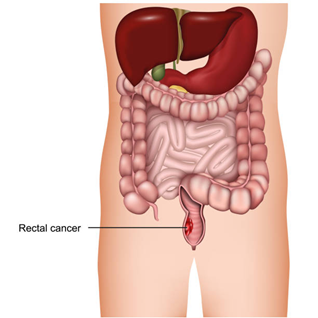
Rectal cancer develops in the last part of the large intestine. Treatment decisions are based on the stage of the disease, overall health, and the importance of preserving normal body functions.
The main treatment options include:
- Rectal cancer surgery procedures: Operation forms the cornerstone of therapy. Surgeons would potentially operate to excise a segment or the entire rectum depending upon the extent of the tumor. In some patients, creation of a temporary or permanent stoma may become necessary.
- Chemotherapy and Radiation: These treatments may be given before surgery to shrink the tumor or after surgery to reduce the chances of recurrence.
- Targeted and Immunotherapy: For specific patients, newer therapies provide additional ways to control or slow down the disease.
The overall aim of treatment is not only to eliminate cancer but also to safeguard bowel, urinary, and sexual function whenever possible.
Common Challenges After Treatment

Bowel Dysfunction
After rectal cancer surgery procedures, it is common to experience changes in bowel habits such as:
- Increased frequency or urgency
- Incontinence
- Constipation or diarrhea
In some cases, a temporary or permanent stoma (an opening in the abdomen to pass stools) may be required. This adjustment can feel overwhelming and may affect daily routines and confidence. However, with the right training, support, and modern stoma care appliances, patients often adapt well and regain confidence in daily activities.
Sexual and Urinary Issues
Nerve damage from surgery or radiation can affect sexual and urinary functions. Some patients may notice:
- Erectile dysfunction or vaginal dryness
- Difficulty urinating or incontinence
These changes can be distressing and affect intimacy and daily life.
Psychological Effects
The psychological impact of rectal cancer treatment is significant. Survivors often struggle with:
- Anxiety about recurrence
- Body image concerns
- Depression or post-traumatic stress
Fatigue
Unlike ordinary tiredness, cancer-related fatigue can persist for weeks or months. It may interfere with daily activities, concentration, and mood.
Improving Quality of Life After Rectal Cancer Treatment

Recovery is not only about treating symptoms—it is about rebuilding health and confidence. Steps that can improve quality of life include:
Diet and nutrition
Balanced, fiber-rich meals help regulate bowel movements and support gut health. A dietitian can guide dietary modifications based on individual digestive patterns.
Physical activity
Low-impact exercises like walking, yoga, and swimming improve stamina and reduce fatigue. Exercise also enhances emotional well-being and cardiovascular health.
Pelvic floor rehabilitation
Pelvic floor therapy helps in managing incontinence and improving bowel control. It is often recommended as part of postoperative care for rectal cancer patients.
Sleep hygiene
Good sleep boosts recovery and immune strength. Avoiding screen time before bed, maintaining a regular sleep schedule, and limiting caffeine are helpful strategies.
Preventing Recurrence: Steps for Long-Term Health
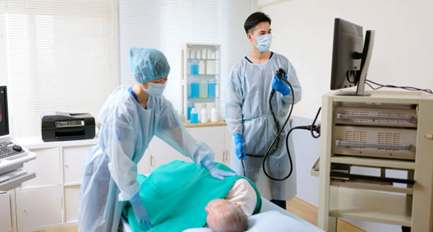
Even after successful rectal cancer surgery procedures, there is a risk of recurrence. Preventive measures include:
Regular Follow-ups
Scheduled check-ups, including imaging and lab tests, are crucial for detecting early signs of recurrence.
Medication Adherence
Some patients may need ongoing medications. Skipping them can interfere with long-term success.
Healthy Weight Management
Obesity is linked with higher recurrence risk. Maintaining a healthy BMI supports immune strength and metabolic function.
Avoiding Smoking and Alcohol
These habits increase the risk of recurrence and should be avoided.
Emotional and Psychological Health Post-Treatment

Life after rectal cancer treatment can feel overwhelming. It is normal to experience fear of recurrence, mood swings, or loss of confidence. Mental health support is vital, and it may include:
- Counseling and therapy: Speaking with professionals helps manage anxiety and depression.
- Relaxation Techniques: Meditation, deep breathing, and mindfulness can reduce stress.
- Setting Small Goals: Rebuilding life gradually gives a sense of progress and purpose.
Support Systems: Family, Friends, and Support Groups

Support plays a powerful role in recovery. Family and friends provide daily encouragement and assistance, while support groups connect survivors with others who have faced similar challenges. Sharing experiences reduces isolation and builds strength.
Community organizations and online forums also provide valuable information and emotional reassurance. Patients who engage with support systems often cope better and recover faster.
Conclusion
Frequently Asked Questions
1. How quickly does one recover after rectal cancer treatment procedures?
2. Is it normal to have bowel issues after treatment?
3. What signs should I watch for regarding recurrence?
Reference
https://pmc.ncbi.nlm.nih.gov/articles/PMC7052760/
https://www.cancer.org/cancer/types/colon-rectal-cancer/after-treatment/living.html
Disclaimer: The information shared in this content is provided for educational purposes only and should not be used for promotional purposes.