
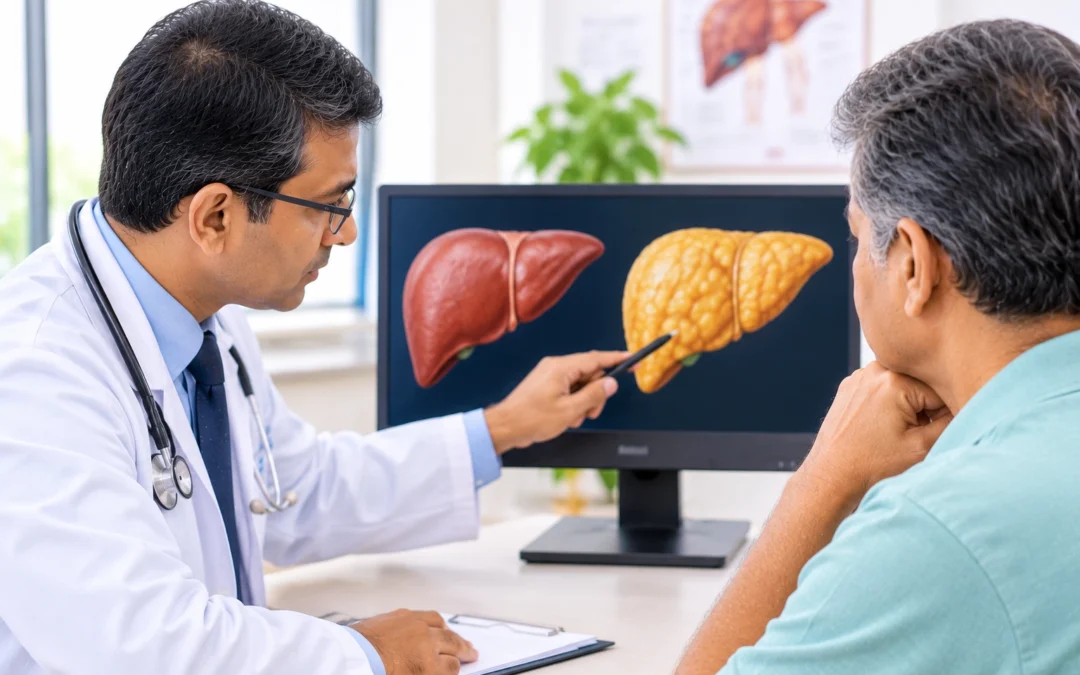
Yes, liver cancer surgery can often be done when a patient has fatty liver, as long as the cancer is found early enough and enough healthy liver will remain afterwards to do the job and grow back. Fatty liver doesn’t rule surgery out. What it does is make the surgeon plan more carefully, because a fatty liver copes less well with a big operation.
Dr. Sandeep Nayak, Surgical Oncologist at MACS Clinic, which provides the Best Cancer Treatment in Bangalore, says a lot of his liver cancer patients also have fatty liver, because the two often travel together with diabetes and weight. “They assume the fatty liver means no operation. It doesn’t. What we ask is, how much healthy liver will be left, and how well does it work? We measure that on scans and tests before we decide. Sometimes we help the remaining liver grow first, and sometimes we choose a smaller operation or a different treatment altogether. The liver is a forgiving organ, but a fatty one is less forgiving, so we plan around it.”
Told you have liver cancer and fatty liver?
Can Fatty Liver Patients Undergo Liver Cancer Surgery? What Doctors Check First
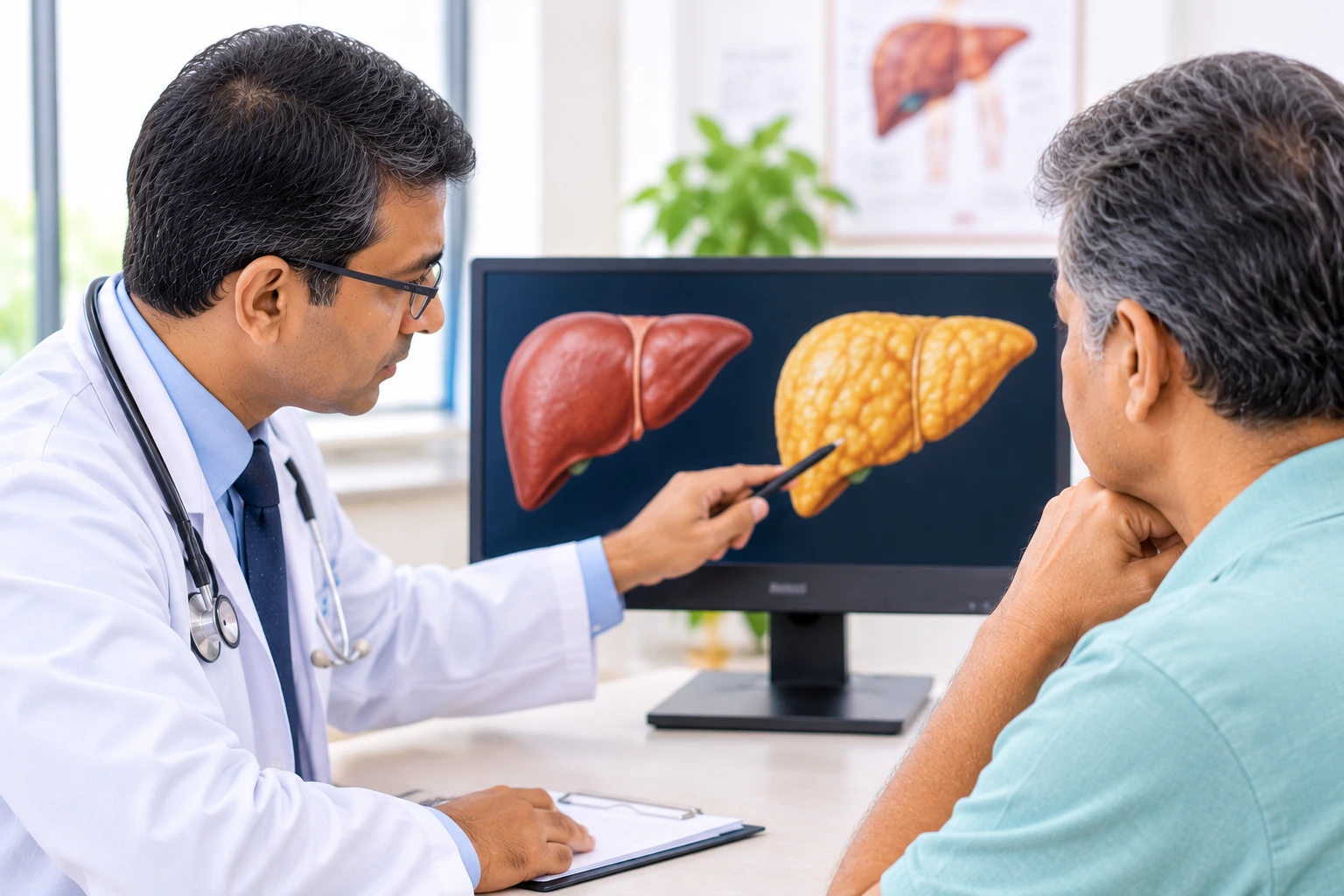
Before anyone is offered an operation, the team works through a few questions:
- How well does the liver work? Doctors grade it with the Child-Pugh score. People in grade A can usually tolerate a major liver operation if enough liver remains, while those in grade B or C are generally not offered major surgery. Our liver cancer treatment in Bangalore page explains how it’s assessed.
- How much liver will be left? This is measured on a CT scan. As a rough guide, about 20% of the liver needs to remain if it’s healthy, about 30% if it’s fatty or injured, and about 40% if it’s scarred (cirrhosis).
- How fatty, and how scarred, is it? A scan like elastography shows scarring, and sometimes a biopsy is needed. In several studies, severe fatty change and advanced scarring were linked with more complications after liver surgery, though the evidence isn’t uniform.
- How fit are you overall? Fatty liver tends to come with diabetes, high blood pressure and extra weight, so your heart, your blood sugar and your fitness for an anaesthetic are checked too.
Fatty Liver and Liver Cancer Treatment: Options Beyond Surgery and How to Prepare
If the picture isn’t straightforward, there’s usually still a route:
- If the remaining liver would be too small, it can sometimes be grown first. A procedure called portal vein embolization blocks the blood supply to the side being removed, so the other side grows over several weeks. In selected cases, surgery is done in two stages. A fatty liver may regrow more slowly, so the timing is watched closely.
- There are other treatments when surgery isn’t right. Heat or microwave ablation for small tumours, TACE (a treatment given through the liver’s blood vessels), radiation, and drug treatment are all options. Liver transplant can be an option for some people with scarring and small tumours. Our radiation therapy page covers one of them.
- Getting ready can lower the risk. Surgeons often advise losing weight if you’re overweight, getting blood sugar under control, stopping alcohol, and staying active before the operation. Our diet counselling team can help with the food side.
- Afterwards, the fatty liver still needs attention. It’s the soil the cancer grew in, and it can lead to new tumours, so regular scans and blood tests follow, along with work on weight, sugar and cholesterol.
What Determines the Right Treatment Approach?
Two people with the same liver tumour can be offered different plans. A few things decide it:
- The tumour itself. Its size, number, position, and whether it involves major blood vessels all matter.
- The liver around it. Child-Pugh grade, platelet count, signs of high pressure in the liver’s veins, and function tests such as the ICG test help show how much reserve it has.
- How much liver would be left. The remaining volume has to be big enough for a fatty or scarred liver, and sometimes it can be increased first.
- Your general health. Diabetes, heart disease, weight and fitness all shape what’s safe.
- A team view. The surgeon, the liver specialist, the radiologist and the oncologist review the case together, as in our post on what a tumour board is. If transplant might help, you’re referred to a transplant centre.
Key Takeaways
- Liver cancer surgery can often be done with fatty liver, as long as enough healthy liver will remain.
- Doctors check how well the liver works, how much will be left (about 20% if healthy, 30% if fatty and 40% if scarred), how fatty and scarred it is, and how fit you are.
- If the remaining liver would be too small, it can sometimes be grown first with portal vein embolization.
- Ablation, TACE, radiation, drug treatment and transplant are options when surgery isn’t the best route, and losing weight and controlling sugar before surgery helps.
- For questions about your own situation, you can contact the clinic at +91 9482202240.
Frequently Asked Questions
1.Does fatty liver make liver cancer surgery riskier?
It can. In several studies, severe fatty liver and advanced scarring were linked with more complications, especially after big operations. But the risk can be measured and planned for, and many people with fatty liver have surgery safely. It’s one of the things your team will weigh up.
2.How much of the liver can be removed safely?
It depends on the health of the liver that’s left. As a rough guide, about 20% needs to remain in a healthy liver, about 30% in a fatty one, and about 40% in a scarred one. The liver also regrows, though a fatty one does so more slowly.
3.Should I lose weight before liver cancer surgery?
Surgeons often advise it if you’re overweight, because it can lower the risk of complications. But don’t crash diet, and don’t delay a cancer operation to lose weight without asking your team. They’ll tell you how much time there is.
4.Can fatty liver cause liver cancer?
Yes. Fatty liver, especially when it causes inflammation and scarring, raises the risk of liver cancer, and in some people it happens even without cirrhosis. That’s why regular check-ups matter for people with fatty liver who have other risk factors such as diabetes.
Disclaimer
This content is published for educational and informational purposes only and is not a substitute for medical advice. Please speak to your liver surgeon or hepatologist about the right plan for your own cancer.
References:
- Optimization of the Future Remnant Liver: Review of the Current Strategies in Europe, Hepatobiliary Surgery and Nutrition
- Preoperative Portal Vein Embolization for Liver Resection: An Updated Meta-Analysis, Journal of Cancer, PubMed Central
- Hepatic Steatosis and Fibrosis and Post-Hepatectomy Liver Failure After Major Liver Resection, PubMed Central
- Risk Factors for Postoperative Mortality After Hepatectomy, PubMed Central
- Liver and Gall Bladder Cancer Treatment, MACS Clinic