


Healthy bowel function plays a major role in comfort, energy, and overall well-being. When bowel habits become unpredictable, daily life can feel disrupted and stressful.
Have you ever wondered why some people struggle with bowel control after rectal cancer surgery? Or why symptoms vary from person to person?
Globally, over 700,000 new rectal cancer cases are recorded every year, and surgery remains one of the primary treatments. Studies show that nearly 60–80% of patients who undergo low anterior resection develop some degree of Low Anterior Resection Syndrome.
Dr. Sandeep Nayak, the Head Surgical Oncologist at MACS Clinic in Bangalore, shares,
“Many patients feel worried when bowel habits do not return to normal after rectal cancer surgery. I remind them that the rectum plays a key role in controlling stool, and its removal naturally leads to changes. With the right guidance, most people can see meaningful improvements. Recovery takes time, patience, and consistent support.”
Ready to understand how this condition develops? Let’s take the next step.
Understanding Low Anterior Resection Syndrome (LARS)
Low Anterior Resection Syndrome is a collection of bowel-related issues that may develop after a portion of the rectum is surgically removed. This happens mainly after treatment for rectal cancer, where the diseased section is taken out and the remaining colon is reconnected. As the rectum acts as a reservoir for stool, its removal reduces storage capacity, causing irregular bowel movements.
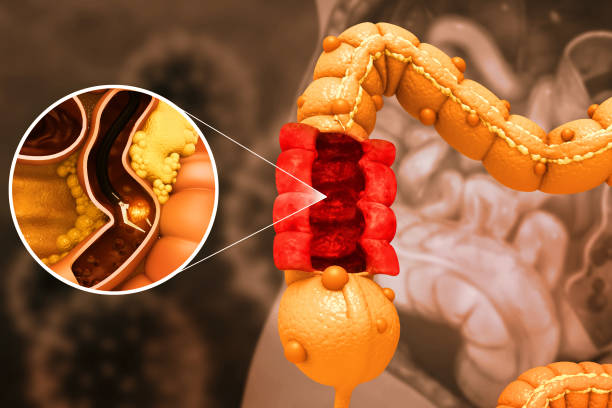
Interestingly, early mentions of this condition date back to several decades ago when surgeons noticed that even after technically successful cancer surgeries, patients continued to struggle with bowel control. This observation eventually led to the formal classification of LARS, helping clinicians understand patterns and develop solutions based on patient feedback and functional testing.
Curious what leads to these changes in bowel behavior? Let’s break it down.
Causes of Low Anterior Resection Syndrome (LARS)
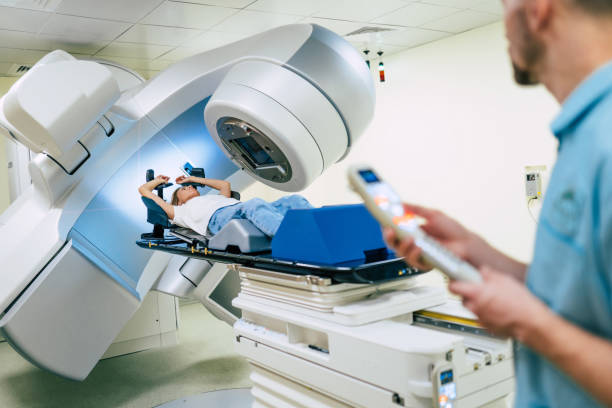
Several factors contribute to LARS. Each influence affects how the bowel adapts after surgery:
Loss of rectal reservoir
The rectum stores stool before passing it. Removing part of it reduces storage, leading to urgency.
Changes in nerve supply:
Surgery may affect pelvic nerves responsible for bowel control, resulting in altered sensation.
Radiation therapy effects
Anastomotic height
When the reconnection between the colon and rectum is very low, bowel function tends to be more unpredictable.
Temporary stoma history
Some patients who had a temporary ileostomy experience slower recovery after it is reversed.
If these causes seem complex, understanding the symptoms might make them easier to understand.
Symptoms of Low Anterior Resection Syndrome (LARS)

Patients experience symptoms of LARS with different intensities. These may include:
- Frequent bowel movements
- Urgency and difficulty holding stool
- Stool clustering (multiple bowel movements in short intervals)
- Accidental leakage
- Gas and stool discrimination difficulty
- A feeling of incomplete evacuation
These symptoms can affect work, travel, sleep, and social confidence.
Want to know how doctors identify the exact problem? Here’s what they rely on.
How is Low Anterior Resection Syndrome (LARS) Diagnosed?
Diagnosis includes multiple assessments that help understand bowel function after surgery:

LARS Score Questionnaire
A structured set of questions that evaluates bowel habits, urgency, and quality of life.
Anorectal Manometry
This test measures sphincter pressures and sensation levels to understand muscle strength.
Defecography
This imaging study shows how the rectum and pelvic floor move during bowel movements.
Stool diaries
Patients track symptoms and bowel movements to identify patterns.
Dr. V Sreekanth Reddy, a GI Surgery Specialist in Bangalore, reflects,
“Patients often expect bowel habits to normalize within weeks, but the body needs longer to adapt. Diagnostic tools offer valuable insight into what is happening inside the pelvic region. When we understand the exact nature of dysfunction, we can choose therapies that bring steady and meaningful improvement over time.”
Now let’s explore what treatment options actually help.
Treatment Options for Low Anterior Resection Syndrome (LARS)
LARS treatment focuses on symptom control and bowel function improvement through:

Dietary modifications
Adjusting fiber intake, hydration, and meal timing to reduce urgency and stool clustering.
Medications
Antidiarrheals, stool formers, and gut rhythm regulators may assist in smooth bowel activity.
Transanal irrigation
A method that gently flushes the lower bowel to reduce unexpected bowel movements.
Neuromodulation therapies
Electrical stimulation may help improve nerve communication in selected cases.
Surgical options
Rarely, corrective surgery may be considered if conservative methods are not successful.
Dr. Sandeep Nayak, a highly-skilled Surgical Oncologist in Bangalore, explains,
“When LARS is treated early, the recovery is often smoother. Many patients feel reassured once they begin structured therapy. Progress may feel gradual, but the combination of lifestyle changes and medical support can make bowel patterns far more manageable over time.”
Managing symptoms is one part; handling the emotional impact is equally important.
Coping with the Emotional Impact of LARS
LARS does not affect only the body; it also influences emotional well-being. People often express embarrassment, fear of accidents, or hesitancy to participate in social activities. Sleep disruption and anxiety are also common during flare-ups.

Support often involves:
- Counseling
- Support groups
- Mind–body relaxation practices
- Open communication with caregivers and clinicians
Acceptance becomes easier when patients understand that LARS is a recognized medical condition with proven management options.
With all these insights, let’s summarize what we’ve learned.
Conclusion
Low Anterior Resection Syndrome is a manageable condition that affects many individuals after rectal cancer surgery. With proper diagnosis, lifestyle adjustments, and supportive therapies, most people regain a comfortable level of bowel control. Awareness, timely evaluation, and consistent follow-up can significantly improve quality of life.
Still thinking about your next steps? Let’s clear up remaining doubts.
Frequently Asked Questions
1. Can LARS improve on its own?
Yes. Many patients notice improvement within 12–24 months as the bowel adapts, although supportive therapy speeds recovery.
2. Does every rectal cancer patient develop LARS?
Not everyone. The likelihood depends on the tumor location, radiation history, and how low the surgical reconnection is.
3. Are there long-term risks associated with LARS?
The condition is mainly functional. Long-term risks are minimal, but chronic symptoms can affect lifestyle if untreated.
4. Does diet play a major role in managing LARS?
Yes. Consistent meal timing, the right fiber balance, and identifying trigger foods significantly help control symptoms.
5. Can LARS occur years after surgery?
Most cases appear early, but some symptoms may change or persist for years, depending on individual healing patterns.