
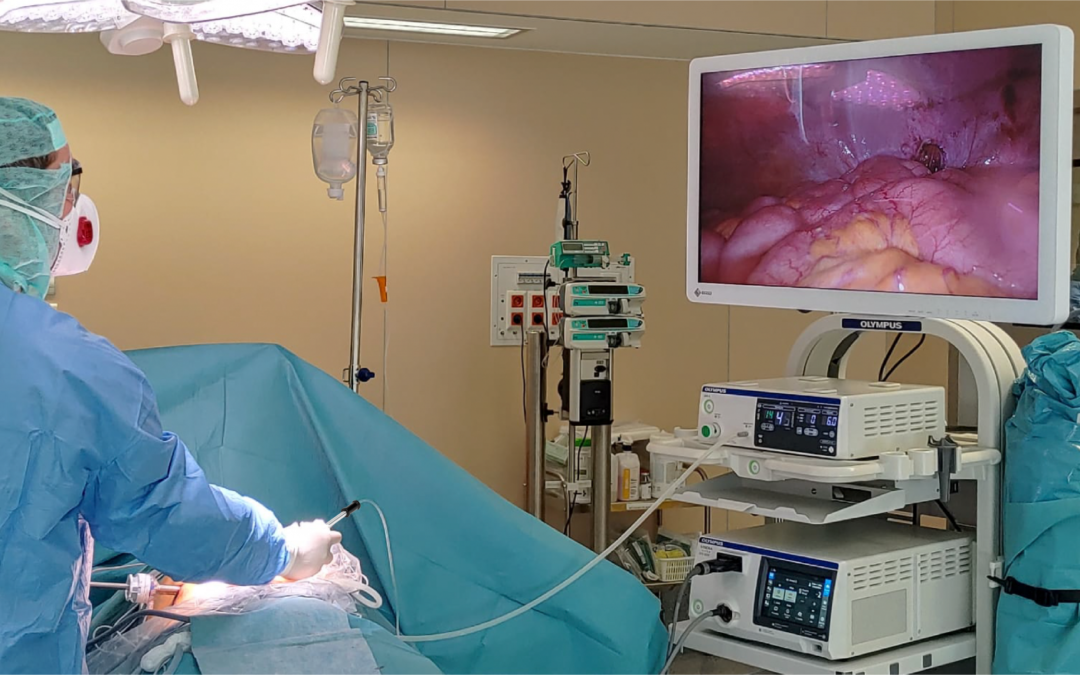
PIPAC stands for Pressurized Intraperitoneal Aerosol Chemotherapy, a minimally invasive treatment that delivers chemotherapy as a fine pressurized mist directly into the abdominal cavity through two small laparoscopic ports. Unlike IV chemo that dilutes through your entire bloodstream, PIPAC concentrates the drug exactly where peritoneal cancer lives, achieving tissue penetration depths that conventional intraperitoneal chemo can’t match. Works on peritoneal metastases from colorectal, ovarian, gastric, and appendiceal cancers, often in patients where other options have run out.
According to Dr. Sandeep Nayak, Best cancer treatment in Bangalore, “PIPAC gives us a way to treat peritoneal disease that couldn’t be debulked surgically and wasn’t responding well enough to IV chemo alone. It’s not a cure for everyone but for the right patient it changes what’s possible.”
How Does PIPAC Actually Work?
Sounds complicated but the concept is surprisingly elegant. You turn liquid chemo into an aerosol, pump it into a closed pressurized space, and physics does what IV delivery can’t. The pressure forces drug molecules deeper into tumor tissue than gravity-fed intraperitoneal chemo ever could.
- Laparoscopic access: Two 5-12 mm ports go into the abdomen under general anesthesia. Same tiny cuts as a diagnostic laparoscopy. Surgeon inspects the peritoneal surfaces, documents the cancer spread using the Peritoneal Cancer Index score, and takes biopsies to track treatment response over time.
- Aerosol delivery: A specialized nozzle called a CapnoPen or similar device converts liquid chemotherapy into a fine high-pressure mist at 37°C. The pressurized aerosol distributes evenly across all peritoneal surfaces including areas that open surgical access physically cannot reach.
- Dwell time: Aerosolized drug sits in the sealed abdomen for 30 minutes under maintained pressure of 12 mmHg. That controlled pressure is what pushes the chemo deeper into tumor nodules than any other intraperitoneal delivery method currently available. Then the gas and residual drug get safely evacuated.
- Repeat cycles: PIPAC isn’t a one-shot deal. Patients typically receive 3-6 sessions spaced 6-8 weeks apart. Each cycle the surgeon reassesses the peritoneal disease burden with fresh biopsies to check whether tumor is responding, stable, or progressing. Treatment continues only while it’s working.
Team explains the full PIPAC protocol during your MACS advantages consultation including how it fits alongside systemic chemo.
Who Benefits Most From PIPAC Treatment?
Not a replacement for cytoreductive surgery with HIPEC when complete debulking is possible. PIPAC fills a different gap. It’s for patients where the disease is too widespread for surgery but too localized for giving up.
- Unresectable peritoneal disease: Cancer spread across the peritoneal lining that can’t be completely removed surgically. PIPAC treats what the knife can’t reach. Some patients respond well enough after 2-3 PIPAC cycles that they become candidates for cytoreductive surgery they originally didn’t qualify for. Conversion happens more than textbooks suggest.
- Chemo-resistant disease: Peritoneal metastases not shrinking on standard IV chemotherapy. PIPAC’s local concentration is 200-600 times higher than what systemic chemo delivers to the peritoneum. Different ballgame when you’re putting the drug directly where the problem is instead of hoping it reaches through the bloodstream.
- Palliative control: Malignant ascites filling the abdomen repeatedly. PIPAC can reduce or eliminate fluid buildup in many patients which means fewer painful drainage procedures and better quality of life in the months that matter most.
- Elderly or unfit patients: PIPAC is gentler than open cytoreductive surgery because it’s laparoscopic, takes 60-90 minutes, and most patients go home in 1-2 days. Someone too frail for a 10-hour debulking operation might tolerate PIPAC perfectly well as a disease control strategy.
Understanding where PIPAC fits in your treatment plan prevents both false hope and premature surrender. Read about HIPEC surgery cost in India to see how PIPAC and HIPEC work together or separately depending on your disease pattern.
Why Choose MACS Clinic?
Dr. Sandeep Nayak is one of the few surgical oncologists in India with hands-on experience in both PIPAC and HIPEC for peritoneal surface malignancies. MACS Clinic has the dedicated equipment and perfusion setup to offer both options under one roof instead of sending you across town for half your treatment plan.
Nobody here recommends PIPAC to patients who should be getting cytoreductive surgery instead. And nobody recommends giving up when PIPAC could still control the disease. Getting that boundary right is the hard part and it’s what this team does every week.
Call +91 8035740000 to book your consultation.
Book your consultation for cancer treatment at MACS Clinic, Bangalore.
FAQs
How many PIPAC sessions are needed?
Typically 3-6 sessions spaced 6-8 weeks apart depending on response.
Is PIPAC painful?
Minimal pain since it uses two small laparoscopic ports under general anesthesia.
Can PIPAC cure peritoneal cancer?
It controls disease and sometimes enables surgery but isn’t considered curative alone.
How long is hospital stay after PIPAC?
Most patients go home within 1-2 days after each session.
References
- PIPAC treatment for peritoneal malignancies — National Cancer Institute
- Intraperitoneal chemotherapy delivery methods — World Health Organization