

Prostate cancer represents a significant global health burden among men. In India, improved awareness and early-detection strategies have led to greater case reporting. Although often slow-growing, it requires careful monitoring and treatment. Radiation and hormone therapy are key treatments used alone or in combination to shrink tumors and reduce the risk of cancer progression effectively.
Dr. Sandeep Nayak, a highly regarded oncologist in India, specializing in minimally invasive and robotic cancer surgeries,and Dr. Nisha Vishnu explains:
“Radiation and hormone therapy for prostate cancer are cornerstone treatments that can work together to significantly reduce cancer spread, control tumor growth, and improve the quality of life for patients.”
At MACS Clinic, Dr. Sandeep Nayak and Dr. Nisha Vishnu with the team strive to provide the best cancer treatment in Bangalore, including advanced radiation and hormone therapy for prostate cancer. With years of oncology expertise, the team offers comprehensive care tailored to each patient’s needs.
What is prostate cancer, and why is it important to understand the disease? Let’s discuss the basics.
What is Prostate Cancer?
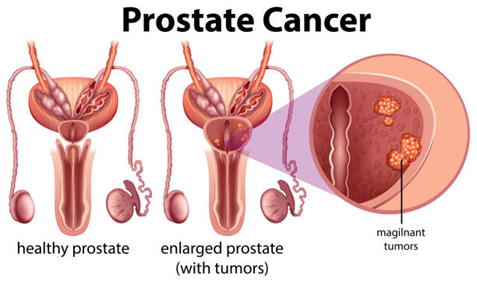
Prostate cancer occurs when cells in the prostate gland, which produce seminal fluid, begin to grow uncontrollably. This usually occurs among older men, with the risk increasing with age. Prostate cancer may be confined to the prostate, but it can also spread to other parts of the body, such as the lymph nodes or bones. Early detection through screening is crucial, as it can significantly improve the chances of successful treatment and long-term survival.
Now, let’s dive into how radiation targets prostate cancer cells.
How Does Radiation Therapy Work for Prostate Cancer?
Radiation therapy for prostate cancer uses high-energy rays, such as X-rays, to kill cancer cells or stop them from growing. It is a localized treatment, meaning that it targets only the prostate and the surrounding tissues where cancer cells may have spread. Radiation therapy is commonly used to treat localized prostate cancer or as an adjunct to surgery, especially in cases where the cancer has spread beyond the prostate but not to distant organs.
There are two kinds of radiation treatments used in prostate cancer:
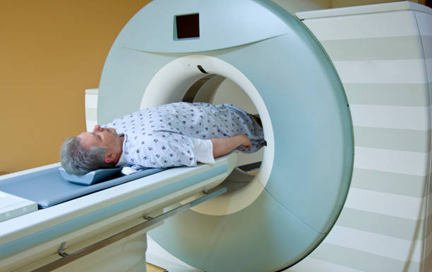
1. External beam radiation:
A machine is used to direct radiation beams to the prostate from outside the body. This method is non-invasive and is usually given over a series of daily sessions for several weeks.
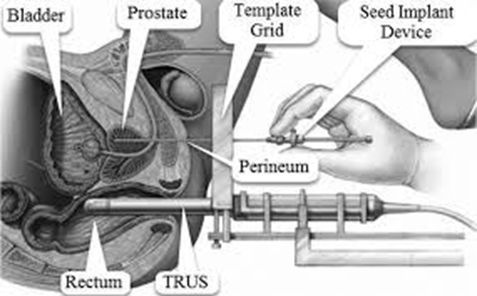
2. Brachytherapy:
Small radioactive seeds are implanted directly into the prostate, delivering a concentrated dose of radiation to the tumor.
What role does hormone therapy play in prostate cancer treatment? Let’s discuss its mechanism and benefits.
How Does Hormone Therapy Work for Prostate Cancer?
Hormone therapy for prostate cancer works by lowering the levels of male hormones (androgens) like testosterone, which prostate cancer cells rely on for growth. By reducing testosterone, hormone therapy can slow down or shrink tumors in prostate cancer. It is often used in advanced prostate cancer that has spread or in combination with other treatments like radiation therapy.

There are two approaches to hormone therapy:
Androgen deprivation therapy (ADT):
This approach decreases the levels of testosterone through either the intake of drugs that impede the production of testosterone or by surgically removing the reproductive parts of a patient’s anatomy, named testes.
LHRH agonists or antagonists:
Their mechanism of action is to suppress normal signals from the pituitary gland to the testes that stimulate testosterone production.
The hormone therapy can be an efficient option in controlling the growth of prostate cancer. The treatment is used before, during, and after radiation therapy to improve treatment outcomes.
Let’s explore how radiation and hormone therapies work together to treat prostate cancer.
How Are Radiation and Hormone Therapy Combined for Prostate Cancer?
Combining radiation therapy and hormone therapy for prostate cancer is an effective treatment strategy, especially in patients with intermediate to high-risk prostate cancer. In particular, hormone therapy is efficient when given before, during, and even after radiation therapy. This can help prevent prostate cancer from coming back.
The combination works this way:
1. Before radiation
Hormone therapy is used to reduce the size of the tumor so that the radiation can target the tumor more effectively.
2. During radiation:
Hormone therapy can make the cancer cells more sensitive to radiation, improving the chances of a successful outcome.
3. After radiation:
Hormone therapy is initiated to prevent the growth of any remaining cancerous cells that could recur.
This combination approach improves treatment efficacy and offers better control over cancer growth, especially for patients with locally advanced prostate cancer.
What side effects should patients expect from radiation and hormone therapy? Let’s explore potential side effects and how to manage them.
Side Effects of Radiation and Hormone Therapy for Prostate Cancer
Radiation and hormonal treatments of prostate cancer cause side effects that differ from individual to individual. It’s essential to understand these potential side effects to tackle them suitably.
Radiation Therapy Side Effects :
Fatigue:
Many patients report tiredness during treatment and for some days afterward. Rest and a balanced diet can help manage this.
Skin Irritation:
The skin in the treated region may become dry, red, or irritated. Specialized skin care products may be used to calm the irritation.
Urinary symptoms:
Radiation may irritate the bladder, leading to frequent urination or urinary urgency.
Bowel issues:
Some people experience bowel discomfort, such as diarrhea or rectal bleeding, though these are just temporary experiences.
Hormone Therapy Side Effects:
Hot flashes
Androgen deprivation therapy can cause hot flashes, which are manageable with medications or lifestyle changes.
Decreased libido and erectile dysfunction
Lower testosterone levels can affect sexual function.
Bone thinning
Bone loss can result from long-term hormone therapy, increasing fracture risk. A calcium and vitamin D supplement can provide relief.
Mood Changes
Mood swings or irritability that occur with hormone therapy can be managed with counselling.
What can patients expect during their treatment with radiation and hormone therapy for prostate cancer? Let’s break down the process.
What to Expect During Radiation and Hormone Therapy
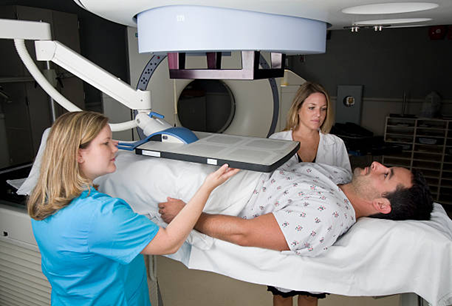
Radiation therapy:
You’ll typically undergo daily radiation sessions, which are quick and painless, though they may be spread over several weeks. The treatment itself doesn’t hurt, but you may experience fatigue and skin irritation afterward.
Hormone therapy
Depending on the type of hormone therapy prescribed to you, you may have to take pills orally every day or simply receive injections. Although getting hot flashes, fatigue, and sexual dysfunction are common, these can be effectively controlled.
Combined treatment:
If both therapies are prescribed, your treatment plan will be carefully monitored to ensure maximum effectiveness. Your doctor will track your progress through regular check-ups and imaging tests.
Conclusion
Radiation and hormone therapy for prostate cancer are powerful, evidence-based treatments that can help control cancer growth, reduce the risk of recurrence, and improve quality of life. When used in combination, these treatments offer enhanced effectiveness, particularly for men with intermediate to high-risk prostate cancer. At MACS Clinic, Dr. Sandeep Nayak and his team provide comprehensive cancer treatment in Bangalore, including personalized radiation and hormone therapy plans designed for optimal outcomes.
Still thinking about your next steps? Let’s clear up remaining doubts.
Frequently Asked Questions
1. What is the role of hormone therapy in prostate cancer treatment?
Hormone therapy lowers testosterone levels to slow or stop the growth of prostate cancer cells.
2. How does radiation therapy work for prostate cancer?
Radiation therapy uses high-energy beams to target and kill prostate cancer cells, helping shrink tumors and prevent cancer from spreading.
3. How effective is the combination of radiation and hormone therapy for prostate cancer?
Combining radiation and hormone therapy significantly improves outcomes, especially in patients with locally advanced prostate cancer.
4. Can radiation therapy be used for advanced prostate cancer?
Yes, radiation therapy can be used for advanced prostate cancer to shrink tumors and alleviate symptoms.
5. Are there alternatives to radiation therapy for prostate cancer?
Surgery, chemotherapy, and targeted therapies may also be options, depending on the stage and type of cancer.
Disclaimer: The information shared in this content is for educational purposes and not for promotional use.