

Small cell lung cancer (SCLC) is known for its aggressive nature, often spreading to other parts of the body before it is detected. This makes it different from many other types of lung cancer and also more challenging to treat. Because of its rapid growth, treatment has to work beyond the lungs, targeting cancer cells throughout the body.
Chemotherapy for small cell lung cancer is the most widely used and effective first-line treatment. It helps shrink tumors, control symptoms such as cough or chest pain, and extend survival, offering patients both time and improved comfort.
“Chemotherapy is the cornerstone of small cell lung cancer treatment. It not only controls the rapid growth of cancer but also improves survival outcomes when started on time.” – Dr. Sandeep Nayak, Senior Oncologist at MACS Clinic, an advanced centre for cancer treatment in Bangalore.
What is Small Cell Lung Cancer (SCLC)?

Small cell lung cancer is a fast-growing type of lung cancer that makes up about 10–15% of all lung cancer cases. Unlike non-small cell lung cancer, SCLC spreads quickly within the lungs and to other parts of the body. Because of this rapid progression, early detection is rare, and treatment has to be started promptly.
Doctors usually diagnose SCLC in two stages:
- Limited stage: The cancer is confined to one lung and nearby lymph nodes.
- Extensive stage: The cancer has spread to the other lung or distant organs.
Since SCLC is aggressive, small cell lung cancer treatment often begins with chemotherapy as the main approach, sometimes combined with radiation or immunotherapy.
Why is Chemotherapy Used for Small Cell Lung Cancer?

Chemotherapy plays a critical role in small cell lung cancer treatment because:
- It can reach cancer cells throughout the body, not just in one area.
- It helps shrink tumors and reduce symptoms like breathing difficulty or chest pain.
- It is effective even when the cancer has spread, making it valuable in both limited and extensive stages.
Other treatments such as surgery are not typically possible for SCLC due to its rapid spread. This is why chemotherapy for lung cancer is often the first and most reliable choice.
How Does Chemotherapy Work for SCLC?
Chemotherapy uses strong medicines to kill or slow the growth of cancer cells. Since these medicines travel through the bloodstream, they are able to reach cancer cells throughout the body — which is especially important in small cell lung cancer, as it spreads quickly.
Treatment is generally administered in cycles with intervals of rest. This is done to allow healthy cells to recuperate while chemotherapy keeps on attacking the cancer cells. The majority of patients receive 4–6 cycles based on stage and overall health.
Side effects may involve nausea, tiredness, hair loss, and lowered immunity. Supportive medications are available which can reduce these effects and hence make the treatment easier.
Chemotherapy Success Rates for Small Cell Lung Cancer
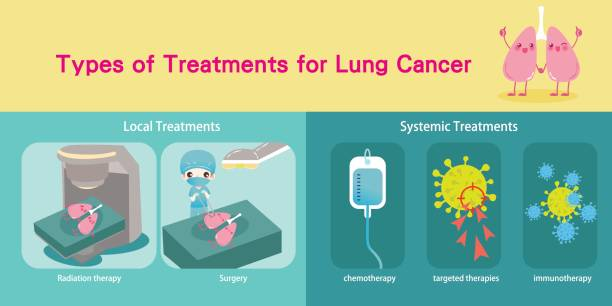
Chemotherapy for small cell lung cancer is highly effective in shrinking tumors and relieving symptoms. Rates of success vary depending on the stage of diagnosis:
- Limited stage SCLC: Chemotherapy with radiation can put the disease into remission in most patients. The rates of survival are better if treatment is started early.
- Extensive stage SCLC: Chemotherapy can control the disease and extend life expectancy, though complete remission is less common.
Research indicates that the majority of patients initially do well, although the cancer might recur later. Even at this point, second-line chemotherapy or newer treatments such as immunotherapy could continue to be useful.
Prognosis and Long-Term Care After Chemotherapy for SCLC

After completing chemotherapy, patients require regular check-ups and imaging scans to monitor progress. Long-term care may include:
- Follow-up appointments: To detect recurrence at the earliest stage.
- Lifestyle adjustments: Quitting smoking, eating healthy, and staying active improve recovery.
- Additional therapies: Immunotherapy or prophylactic cranial irradiation (PCI) may be suggested to lower the risk of brain metastasis.
While small cell lung cancer is challenging, continuous advancements in cancer treatment are offering patients better survival chances and improved quality of life.
Conclusion
Frequently Asked Questions
Q1 Is chemotherapy always required for small cell lung cancer treatment?
Q2 How long does chemotherapy last for SCLC?
Q3 What are the common side effects of chemotherapy for lung cancer?
Q4 Can chemotherapy cure small cell lung cancer?
Reference
https://www.cancer.org/cancer/types/lung-cancer/treating-small-cell/chemotherapy.html
https://pmc.ncbi.nlm.nih.gov/articles/PMC4419639/
Disclaimer: The information shared in this content is provided for educational purposes only and should not be used for promotional purposes.