

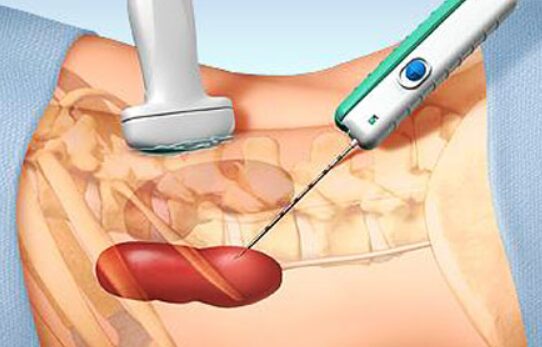
A biopsy is a procedure that removes a small sample of tissue from a suspicious area in the body for examination under a microscope to confirm or rule out cancer. It is the only definitive way to diagnose cancer because imaging scans show shapes and sizes but only tissue under a microscope reveals whether cells are cancerous, what type they are, and how aggressive they behave. Most biopsies cause minimal discomfort comparable to a blood draw or a brief injection sting depending on the type performed.
According to Dr. Sandeep Nayak, Best cancer treatment in Bangalore, “Patients delay biopsy for weeks because they’re scared of the pain. Meanwhile the tumor keeps growing. An FNAC feels like a blood test. A core biopsy feels like getting a local anesthesia injection at the dentist. The fear is always worse than the procedure itself.“
Knowing beats guessing. And the needle hurts less than the anxiety of not knowing.
What Are the Different Types of Biopsy?
Not all biopsies are the same. The type your doctor picks depends on where the suspicious area sits, how big it is, and how much tissue the pathologist needs to make a diagnosis.
- FNAC: Fine needle aspiration using a thin 22-25 gauge needle to extract cells. Takes 5-10 minutes, no anesthesia needed, feels like a blood draw. Results in 48-72 hours. Best for breast lumps, thyroid nodules, and lymph nodes. Cheapest biopsy option available at practically every diagnostic centre in India.
- Core needle biopsy: Thicker needle removes a small cylinder of tissue under local anesthesia. Brief sting from the anesthetic then the area goes numb. Provides more tissue than FNAC giving the pathologist grade, receptor status, and invasion depth. Preferred for breast cancers where ER, PR, HER2 status is needed before treatment planning.
- Incisional biopsy: Surgeon removes a small piece from a large mass under local or general anesthesia. Used when the tumor is too big to remove entirely before knowing what it is. Takes 15-30 minutes. Slight soreness afterward managed with paracetamol for a day or two.
- Excisional biopsy: Entire suspicious lump removed with a margin of healthy tissue. Serves as both diagnosis and treatment for small tumors. Done in an operating room under anesthesia. Recovery depends on location but most patients go home the same day.
Your oncologist selects the right biopsy type through precision diagnostics based on the lesion characteristics and what information the pathologist needs for treatment planning.
Does a Biopsy Hurt?
Fear of pain is the single biggest reason patients delay biopsy. The actual discomfort is far less than what most people build up in their heads before the procedure.
- FNAC pain level: Similar to getting blood drawn from your arm. Thin needle goes in, cells come out, done in minutes. No anesthesia required. Most patients say “that’s it?” when the needle comes out because they expected something dramatically worse based on the word biopsy alone.
- Core biopsy pain: Local anesthetic injection stings for about 5 seconds then the area goes completely numb. The biopsy needle makes a clicking sound that startles people more than it hurts them. Soreness afterward feels like a minor bruise for 24-48 hours. Paracetamol handles it.
- Surgical biopsy pain: Done under anesthesia so you feel nothing during the procedure. Post-operative discomfort at the incision site for 2-3 days managed with basic painkillers. Nobody needs strong opioids for a biopsy wound.
- What actually hurts more: The weeks of anxiety between noticing a lump and getting it tested. That mental pain is worse than anything a biopsy needle produces. Every patient who delayed says the same thing afterward. Should’ve done this sooner.
Knowing how stomach cancer diagnosis depends on endoscopic biopsy helps understand why tissue examination remains the gold standard across every cancer type regardless of how advanced imaging technology becomes.
Why Choose MACS Clinic?
Dr. Sandeep Nayak’s team at MACS Clinic performs all biopsies under ultrasound guidance by trained cytopathologists ensuring the needle goes into the right spot the first time. FNAC results come back within 48 hours and if the sample needs repeating it happens the same week not next month.
Suspicious lump here gets biopsied at the first consultation itself. Because the gap between noticing something and knowing what it is should be days not weeks and this team keeps that window as tight as the schedule allows.
Call +91 8035740000 to book your consultation.
FAQs
Is biopsy painful?
FNAC feels like a blood draw. Core biopsy uses local anesthesia with minimal discomfort.
How long does a biopsy take?
FNAC takes 5-10 minutes. Core biopsy 15-20 minutes. Surgical biopsy 30-60 minutes.
Can a biopsy spread cancer?
No, biopsy needle track seeding risk is 0.003-0.01% and is clinically negligible.
How soon do biopsy results come?
FNAC results in 48-72 hours. Core and surgical biopsy results in 5-7 days.
References
- Biopsy types and procedures — National Cancer Institute
- Cancer diagnosis methods — World Health Organization