

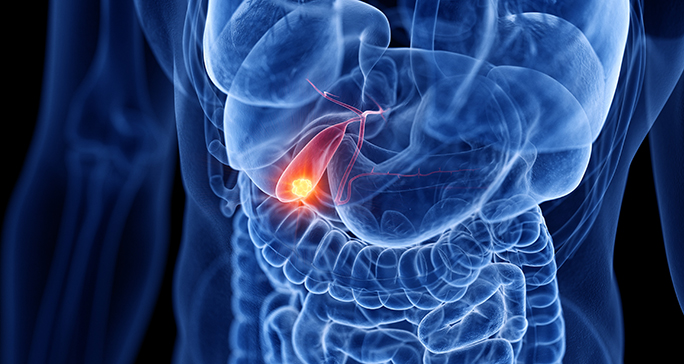
Upper right abdominal pain, painless jaundice, unexplained weight loss, and persistent nausea after eating are the early signs of gallbladder cancer that get mistaken for gallstones or biliary colic in most patients. Gallbladder cancer is rare globally but India carries one of the highest incidence rates in the world, particularly among women in the northern Gangetic belt. Over 60% of cases are diagnosed at Stage III or IV because symptoms perfectly mimic common gallbladder conditions that patients and doctors both treat without imaging.
According to Dr. Sandeep Nayak, Best cancer treatment in Bangalore, “Patient had gallstone pain for two years. Took tablets from the pharmacy every time it flared. Finally got an ultrasound showing a mass inside the gallbladder that nobody would’ve missed if someone had ordered a scan at the first episode instead of the fifth.”
Gallstone symptoms that keep returning deserve a scan not another painkiller.
What Symptoms Appear First?
Gallbladder cancer hides behind gallstone symptoms so effectively that even doctors miss it until imaging reveals a mass that’s been growing for months.
- Right upper abdominal pain: Persistent or recurring ache below the right rib cage especially after fatty meals. Feels identical to gallstone attacks. Difference is gallstone pain comes in episodes and resolves completely between attacks. Cancer pain gradually worsens and the pain-free intervals get shorter over weeks.
- Jaundice: Yellow eyes, dark tea-coloured urine, pale stools appearing without the acute pain gallstones typically produce. Tumor growing large enough to block the common bile duct causes painless obstructive jaundice. In India this gets treated as hepatitis for weeks before anyone orders an ultrasound that shows the real problem.
- Weight loss: Dropping kilos without trying while appetite falls off gradually over months. Meals that used to feel normal now create fullness, nausea, or discomfort. Body struggles to digest fat because bile flow is disrupted and the cancer itself consumes metabolic resources.
- Nausea after meals: Persistent nausea or vomiting after eating especially fatty food. Gets written off as acidity or dyspepsia and treated with pantoprazole for months. When nausea persists despite medication and is accompanied by any other symptom on this list, imaging should follow immediately.
Your oncologist evaluates these through gallbladder cancer assessment including ultrasound, CECT abdomen, and CA 19-9 marker.
Who Is at Higher Risk?
Gallbladder cancer has very specific risk factors concentrated heavily in certain Indian populations.
- Gallstones: Present in 75-90% of gallbladder cancer patients. Large stones above 3 cm carry significantly higher risk than small ones. Porcelain gallbladder with calcified wall is a known premalignant condition. The gallstone you’ve been ignoring for ten years isn’t just a nuisance, it’s a risk factor sitting inside you.
- Women over 50: Women develop gallbladder cancer three times more frequently than men. Estrogen influences cholesterol metabolism and gallstone formation. Postmenopausal women with long-standing gallstone history in northern India carry the highest risk profile globally.
- Geography: Gangetic belt states including UP, Bihar, West Bengal, Jharkhand, and Odisha have the highest gallbladder cancer rates in India. Contaminated water, heavy metal exposure, and specific dietary patterns in these regions contribute to the elevated incidence.
- Incidental finding: Up to 1-2% of gallbladders removed for presumed benign gallstone disease are found to contain cancer on post-operative pathology. This is why every removed gallbladder should go for histopathology. Throwing it away without examination misses cancers that were sitting there undetected.
Knowing how uterine cancer signs get blamed on hormonal changes for months explains why gallbladder cancer signs get similarly buried under gallstone diagnoses that stop everyone from looking deeper.
Why Choose MACS Clinic?
Dr. Sandeep Nayak performs gallbladder cancer surgeries including radical cholecystectomy with liver wedge resection and regional lymphadenectomy using laparoscopic approach where the disease stage allows. MACS Clinic coordinates ultrasound, CECT staging, CA 19-9 tracking, and surgery under one team.
Patient walks in with persistent gallbladder symptoms here and gets imaging before the second visit. Because a gallbladder that’s been hurting for two years without anyone scanning it is two years a cancer could’ve been growing while everyone assumed it was just stones.
Call +91 8035740000 to book your consultation.
FAQs
Can gallstones lead to gallbladder cancer?
Gallstones are present in 75-90% of gallbladder cancer cases, especially stones above 3 cm.
Why is gallbladder cancer common in India?
High gallstone prevalence, geographic risk in Gangetic belt, and delayed imaging contribute.
How is gallbladder cancer diagnosed?
Ultrasound followed by CECT abdomen and CA 19-9 blood marker confirm diagnosis and staging.
Should every removed gallbladder go for biopsy?
Yes, 1-2% of gallbladders removed for stones are found to contain incidental cancer.
References
- Gallbladder cancer signs and symptoms — National Cancer Institute
- Gallbladder cancer epidemiology India — World Health Organization