
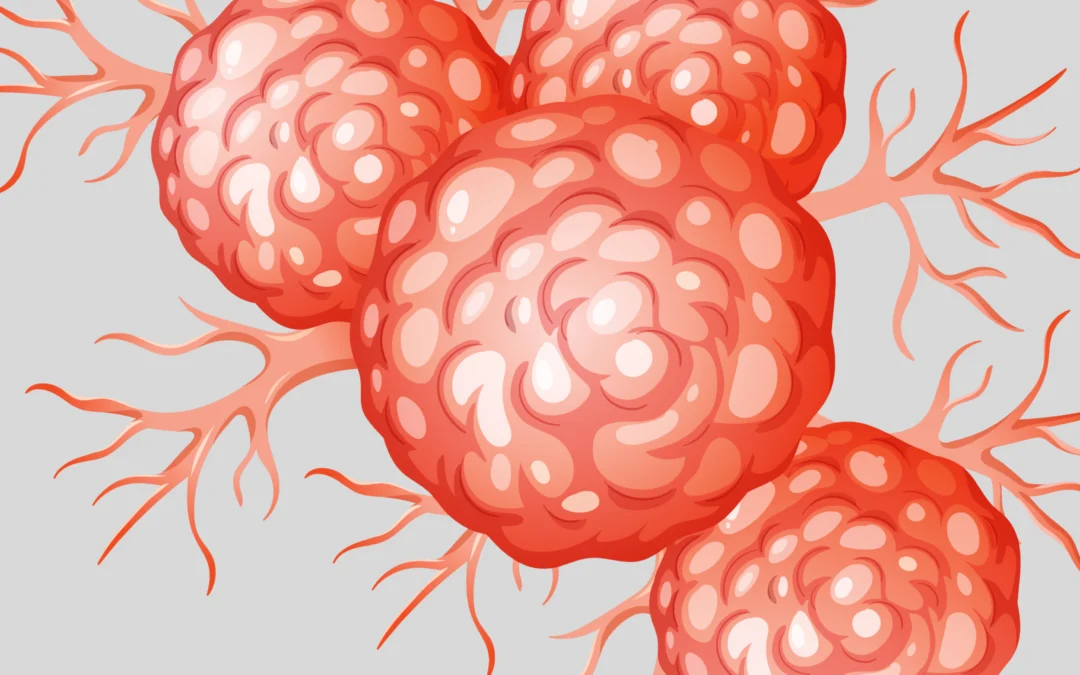
Stage 1 cancer is small, confined to the organ where it started, with no lymph node involvement and carries five-year survival above 90% for most cancer types. Stage 2 is larger in size, may have invaded nearby tissue or spread to a limited number of regional lymph nodes, and requires more layered treatment. Both stages are considered early and curable but the jump from Stage 1 to Stage 2 adds treatment complexity including potential need for adjuvant chemo or radiation that Stage 1 often avoids entirely.
According to Dr. Sandeep Nayak, Best cancer treatment in Bangalore, “Patient hears Stage 2 and assumes they’re halfway to Stage 4. They’re not. Stage 2 is still early-stage cancer with excellent outcomes. But it does mean the tumor had more time to grow or started sending cells to nearby nodes. That changes the treatment plan from surgery-alone to surgery-plus.”
Stage 2 isn’t late. It’s early cancer that needs a bigger response
How Are They Different?
Both are early-stage but they sit on different points of the same timeline. The gap between them changes what treatment looks like and how aggressive it needs to be.
- Tumor size: Stage 1 tumors are typically small, under 2 cm for breast cancer, confined within the organ wall for colon cancer. Stage 2 tumors are larger or have grown through the organ wall into surrounding tissue. Size alone changes surgical approach because bigger tumors need wider margins and sometimes different operative technique.
- Lymph node involvement: Stage 1 means nodes are clean. Stage 2 may involve one to three nearby lymph nodes depending on cancer type. Positive nodes at Stage 2 are the single biggest reason adjuvant chemo gets added to the plan because cells reaching nodes means they’ve started travelling.
- Treatment approach: Stage 1 often needs surgery alone. Stage 2 typically adds chemo, radiation, or hormonal therapy after surgery to address potential microscopic spread that clean margins and negative imaging can’t fully rule out. Same cancer name but the treatment menu gets longer.
- Survival difference: Stage 1 across most cancers exceeds 90% five-year survival. Stage 2 ranges from 75-90% depending on cancer type and biology. Gap looks small on paper but for the patient sitting in front of you that 10-15% difference is their entire world.
Your oncologist determines exact staging through precision diagnostics before surgery to plan the right treatment intensity from day one.
Why Does Catching Stage 1 Instead of Stage 2 Matter
Every month a cancer grows without detection moves it closer to the next stage. The difference between catching cancer at Stage 1 versus Stage 2 isn’t just a number. It’s treatment burden, recovery time, and probability.
- Simpler treatment: Stage 1 breast cancer may need only lumpectomy and radiation. Stage 2 same breast cancer may add four to six months of chemotherapy. Patient who got screened early avoids chemo entirely. Patient who delayed six months gets the same surgery plus half a year of needles, nausea, and missed work.
- Lower recurrence: Stage 1 cancers recur less frequently because the disease had less opportunity to seed microscopic cells into blood or lymph. Stage 2 recurrence rates climb because the tumor had more time to shed cells before surgery removed it. What you can’t see on the scan is what comes back later.
- Cost difference: Surgery alone for Stage 1 costs a fraction of surgery plus six cycles of chemo for Stage 2. In a country where cancer treatment pushes families into debt the financial difference between stages isn’t academic. It’s the difference between manageable bills and selling property.
- Screening catches Stage 1: Mammograms, colonoscopy, Pap smears exist to find cancer at Stage 1 when it’s small, curable, and cheap to treat. Skipping screening because you feel fine is the reason most cancers in India are diagnosed at Stage 2 or later when the treatment gets harder and costlier.
Understanding how 4 stages of cancer form a progression helps appreciate why every effort in oncology focuses on catching disease as early as possible before it crosses from one stage to the next.
Why Choose MACS Clinic
Dr. Sandeep Nayak’s team at MACS Clinic completes staging within one week of diagnosis so the treatment plan matches the actual stage not an estimate. Minimally invasive surgery for early-stage cancers means shorter recovery, earlier return to work, and faster transition to adjuvant therapy when needed.
Patient diagnosed here at Stage 1 gets a clear explanation of why chemo isn’t needed. Patient at Stage 2 gets an equally clear explanation of why it is. Both conversations carry the same weight because undertreating Stage 2 and overtreating Stage 1 are equally harmful.
Call +91 8035740000 to book your consultation.
FAQs
1. Does robotic thyroid surgery leave a scar on the neck?
No. The incision is placed in the armpit or behind the ear, so the neck stays scar-free.
2. Who is a good candidate for robotic thyroid surgery?
Patients with early-stage, well-defined thyroid cancers that have not widely spread are usually the best candidates.
3. Is robotic surgery as effective as open thyroid surgery?
Yes. For eligible patients, cancer control and outcomes are comparable to those of traditional open surgery.
4. Will I need thyroid medication after surgery?
If the entire thyroid is removed, lifelong thyroid hormone replacement is needed. It is simple to take and monitor.
5. Can robotic surgery affect my voice?
Temporary voice changes can occur and usually improve. Permanent changes are rare in experienced hands.
Disclaimer: The information shared in this content is for educational purposes and not for promotional use.