

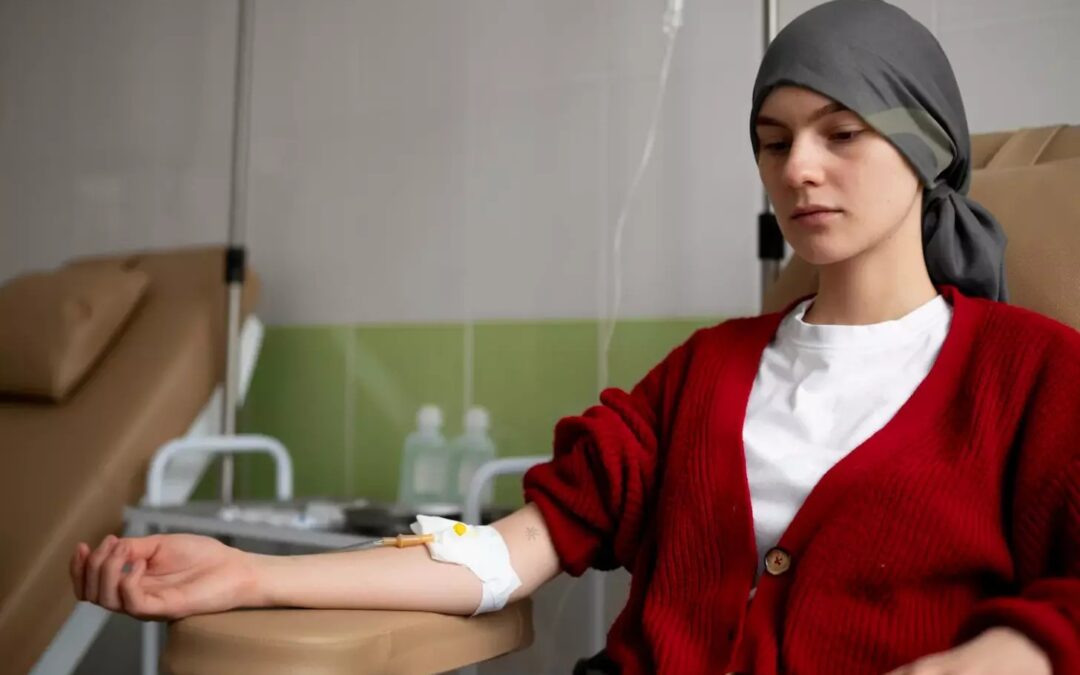
Chemotherapy causes fatigue through multiple simultaneous pathways including bone marrow suppression that drops red blood cell production causing anaemia in 70% of patients, metabolic disruption as drugs damage healthy cells alongside cancer cells, inflammatory cytokine release that signals exhaustion to the brain, and poor nutrition from nausea and appetite loss reducing the fuel available for energy production. Chemo fatigue isn’t laziness or weakness. It’s a measurable biological response to drugs that are powerful enough to kill cancer cells but can’t fully spare the normal cells your body needs for energy.
According to Dr. Sandeep Nayak, Best cancer treatment in Bangalore, “Patient’s husband complains she sleeps all day and isn’t trying hard enough. Her hemoglobin is at 8. Her white cells are at 2,000. Her body is manufacturing blood from a bone marrow that chemo just hammered. She’s not lazy. She’s running a car on an empty tank while the fuel station is closed for repairs.”
Chemo fatigue isn’t a choice. It’s chemistry. And it’s temporary.
What Causes Fatigue During Chemo?
Multiple pathways hit simultaneously which is why chemo fatigue feels different from any tiredness the patient has experienced before.
- Anaemia: Chemo damages bone marrow’s ability to produce red blood cells that carry oxygen to every tissue. Hemoglobin drops from 13 to 8 over two to three cycles. Every organ runs on less oxygen. Patient climbing stairs feels like they ran a kilometre because the blood can’t deliver enough fuel to muscles working at normal effort.
- Inflammatory storm: Chemo triggers cytokine release including IL-6 and TNF-alpha that signal the brain to produce fatigue, sleepiness, and withdrawal. Same inflammatory response that makes you feel exhausted during a fever. Body reads the chemical signals and shuts down activity to conserve energy for repair.
- Metabolic disruption: Drugs damage rapidly dividing cells including gut lining cells reducing nutrient absorption. Patient eats but the intestine can’t extract calories efficiently. Simultaneously the body spends enormous energy repairing damaged healthy tissue. Energy expenditure goes up while energy intake goes down.
- Poor sleep: Steroids given alongside chemo disrupt sleep cycles. Dexamethasone keeps patients awake at night then crashed during the day. Nausea, anxiety, and pain further fragment sleep. Body never enters the deep recovery sleep it needs to restore energy between cycles.
Your oncologist monitors fatigue through treatment care including regular CBC checks and hemoglobin tracking at every cycle.
What Actually Helps?
Chemo fatigue can’t be eliminated but it can be managed enough that patients maintain function and quality of life through treatment.
- Treat anaemia: Hemoglobin below 8 may need transfusion or erythropoietin-stimulating agents. Iron supplementation if iron stores are low. Most patients assume fatigue is normal chemo tiredness when actually their hemoglobin dropped to a level that would make anyone exhausted cancer or not. Ask for the number. Don’t accept “it’s expected.”
- Light exercise: Counterintuitive but 15-20 minute walks during chemo weeks reduce fatigue more than resting does. Published data across multiple trials confirms this. Body in motion produces less inflammatory fatigue signaling than body lying in bed. The family keeping the patient confined to the bedroom is creating the exhaustion they’re trying to prevent.
- Energy banking: Plan important activities for the 2-3 good days in each chemo cycle. Most regimens have a predictable fatigue pattern. Days 3-5 after infusion are usually worst. Days 8-14 are often the recovery window. Scheduling life around this rhythm instead of fighting it makes the same fatigue feel more manageable.
- Nutrition timing: Small protein-rich meals during the energy window. Eggs, curd, dal on the days appetite returns. Don’t waste the good days eating biscuits and chai. Use them to load protein that the bone marrow needs to rebuild what chemo destroyed.
Understanding how nausea management prevents the vomiting that worsens dehydration and malnutrition explains why controlling nausea is the first step toward controlling fatigue since you can’t rebuild energy from food you couldn’t keep down.
Why Choose MACS Clinic?
Dr. Sandeep Nayak’s team at MACS Clinic tracks hemoglobin at every chemo cycle and intervenes with transfusion or iron when numbers drop below functional thresholds. Fatigue here isn’t dismissed as “normal for chemo.” It’s measured, tracked, and treated as the manageable side effect it is.
Patient reporting fatigue here gets a blood test the same day not a reassurance that it’ll pass. Because hemoglobin at 7 masquerading as “chemo tiredness” is a treatable problem disguised as an expected one.
Call +91 8035740000 to book your consultation.
FAQs
Why am I so tired during chemotherapy?
Chemo suppresses bone marrow causing anaemia, triggers inflammation, disrupts metabolism, and impairs sleep.
Is chemo fatigue the same as normal tiredness?
No, it doesn’t improve with rest, is disproportionate to activity, and has measurable biological causes.
Can exercise help during chemotherapy?
15-20 minute walks reduce fatigue more than bed rest in published trials across multiple cancer types.
When does chemo fatigue improve?
Typically begins recovering 2-4 weeks after last cycle as bone marrow rebuilds blood cell production.
References
- Cancer-related fatigue — National Cancer Institute
- Chemotherapy side effects — World Health Organization