
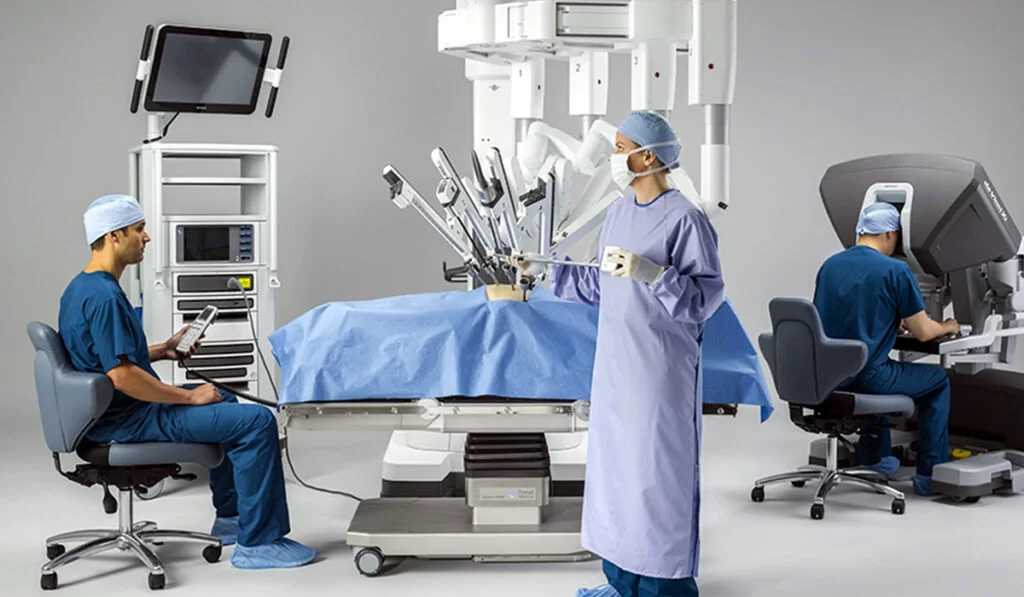
Robotic surgery costs 30% to 50% more than open surgery in most Indian hospitals but delivers measurably better outcomes in specific cancer types through 3D magnification, tremor-free instrument control, and access to anatomical spaces open surgery can’t reach. The cost premium isn’t for the technology itself. It’s for what that technology makes possible in terms of nerve preservation, margin precision, and faster recovery. Whether it’s worth it depends entirely on the cancer type, location, and what’s at stake anatomically.
According to Dr. Sandeep Nayak, Best cancer treatment in Bangalore, “Robotic surgery isn’t worth the cost for every cancer. It’s worth it when the anatomy demands precision that open surgery can’t match. Thyroid surgery near the recurrent laryngeal nerve, rectal surgery in a narrow pelvis, prostate surgery. Those are the cases where the robotic system earns its cost difference in outcomes.”
Wondering if robotic surgery is right for your cancer? The answer starts with the tumour’s location and what’s nearby.
Where Does Robotic Surgery Actually Make a Difference?
The clinical benefit isn’t uniform across all cancers. It’s highest where anatomy is complex and precision has direct consequences.
- Thyroid and Head and Neck Cancer:
Robotic thyroidectomy reaches the gland through the axilla or behind the ear, leaving no neck scar. More critically, 3D magnification reduces recurrent laryngeal nerve injury risk compared to open surgery in high-volume robotic centres. - Rectal Cancer:
The male pelvis is narrow. Open surgery struggles with visibility and instrument movement in tight pelvic spaces. Robotic access gives the surgeon better angles for nerve-sparing resection, directly affecting urinary and sexual function post-surgery. - Prostate Cancer:
Robotic prostatectomy has become the standard of care in high-volume centres globally. Nerve bundle preservation rates are higher robotically than with open surgery when performed by an experienced surgeon, affecting continence and function long-term. - Gastric and Oesophageal Cancer:
Robotic platforms reduce blood loss and anastomotic leak rates in complex upper GI resections compared to conventional laparoscopy. The articulating instruments reach angles that straight laparoscopic tools simply can’t.
For a detailed look at how Robotic Surgery works for thyroid cancer specifically, the service page covers the technique, eligibility, and outcomes data.
When Is Robotic Surgery Not Worth the Extra Cost?
The premium only makes sense when the surgical problem actually requires what the robot provides.
- Early Colon Cancer:
Conventional laparoscopic colectomy delivers equivalent oncological outcomes to robotic surgery for most colon cancers. Adding robotic cost here doesn’t improve survival, margin status, or recovery meaningfully. - Breast Cancer:
Mastectomy and lumpectomy don’t benefit from robotic assistance in standard cases. The anatomy is accessible, margins are achievable openly, and robotic platforms don’t change the oncological result. - Surface or Accessible Tumours:
Skin, soft tissue, and superficial tumours don’t need robotic access. The premium is for reaching anatomical complexity. Where complexity doesn’t exist, the cost difference buys nothing clinically. - Surgeon Experience Matters More:
A high-volume open surgeon outperforms a low-volume robotic surgeon on every metric that matters. MACS Advantages robotic outcomes reflect surgeon experience as much as platform capability. The tool doesn’t replace the training behind it.
For more on how robotic surgery applies specifically to thyroid cancer and what the procedure involves, our previous blog on Robotic Surgery Thyroid covers the technique and patient selection criteria in detail.
Why Choose MACS Clinic for Robotic Cancer Surgery?
Dr. Sandeep Nayak’s team at MACS Clinic performs robotic surgery for thyroid, rectal, gastric, and head and neck cancers using the da Vinci system, with patient selection based on tumour location, anatomical complexity, and whether the robotic approach improves a clinically meaningful outcome over conventional surgery. Robotic surgery is recommended here when it changes what the operation can achieve, not as a default premium option.
Patient here gets a clear explanation of whether robotic surgery improves their specific outcome and by how much, not a blanket recommendation because the equipment is available. Because cost is only justified when the clinical difference is real.
Call +91 8035740000 to book your consultation.
FAQs
Is robotic surgery better than open surgery for cancer?
In specific cancers involving complex anatomy, robotic surgery improves nerve preservation, margin precision, and recovery outcomes.
How much does robotic cancer surgery cost more than open surgery?
Robotic surgery costs roughly 30% to 50% more than open surgery depending on the cancer type and hospital.
Is robotic surgery safe for cancer patients?
Yes. Published data confirms comparable or better oncological safety versus open surgery in thyroid, rectal, prostate, and gastric cancers at high-volume centres.
Which cancers benefit most from robotic surgery?
Thyroid, rectal, prostate, and upper GI cancers benefit most where pelvic or neck anatomy demands precision open surgery can’t reliably match.
Disclaimer : This blog is intended for informational purposes only and does not substitute professional medical advice, diagnosis, or treatment. Consult a qualified oncologist for personalised guidance.