
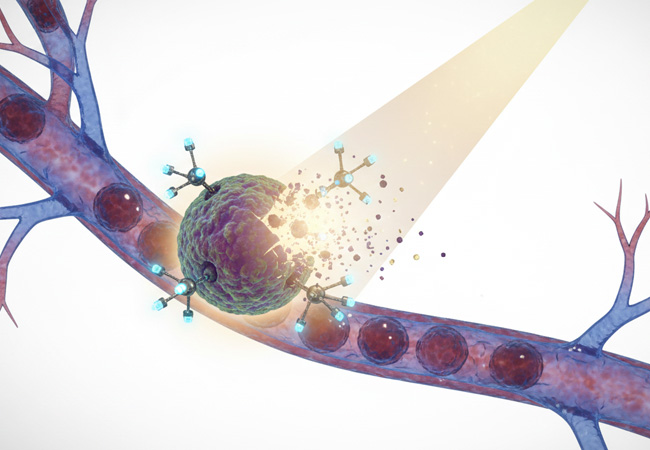
Targeted therapy and chemotherapy aren’t interchangeable options. Targeted therapy works only when a tumour carries a specific mutation the drug is built to block. Chemotherapy works against any rapidly dividing cell with no mutation requirement. Neither is universally superior. The right choice depends on whether the tumour’s molecular profile shows a target worth hitting.
According to Dr. Sandeep Nayak, Best cancer treatment in Bangalore, “Targeted therapy is not a better version of chemotherapy. It’s a different treatment built around a specific biological target. Without that target confirmed through molecular profiling, the drug has nothing to work on. The question isn’t which is better. It’s which is appropriate for what this particular tumour is doing.”
Targeted therapy or chemotherapy for your cancer? The answer starts with molecular profiling, not a preference.
How Does Targeted Therapy Differ From Chemotherapy?
The mechanism behind each treatment decides when one fits and when the other is the only realistic option.
- Mechanism of Action:
Chemo kills all rapidly dividing cells without discrimination. Targeted therapy blocks a specific pathway driven by a mutation like EGFR in lung cancer, HER2 in breast cancer, or BRAF in melanoma. Different biology, different approach. - Mutation Dependency:
Targeted therapy needs a confirmed mutation before it can be used. A patient without EGFR mutation won’t respond to an EGFR inhibitor regardless of cancer type. Chemo has no such requirement. It works across most solid tumours without prior genetic testing. - Side Effect Profile:
Chemo damages bone marrow, causes hair loss, and wrecks the gut lining from its non-selective cell killing. Targeted drugs carry class-specific toxicities. EGFR inhibitors cause rash. HER2-directed therapy needs cardiac monitoring. Different mechanism, different damage pattern. - Duration of Response:
Targeted therapy produces faster, deeper responses in mutation-positive cases but most patients develop resistance within 12 to 18 months. Chemo responses are slower to build but resistance develops through entirely different mechanisms.
Identifying whether a tumour carries an actionable mutation before prescribing anything is what Precision Oncology profiling does before any systemic treatment decision is made here.
When Is Targeted Therapy the Right Choice Over Chemotherapy?
Targeted therapy isn’t available for every cancer. Specific molecular findings must be confirmed before it becomes an option.
- Confirmed Actionable Mutations:
EGFR in non-small cell lung cancer, HER2 in breast and gastric cancer, BRAF V600E in melanoma and colorectal cancer, BCR-ABL in CML. Each has an approved targeted drug that outperforms chemo in mutation-positive patients specifically. - First-Line Superiority in Selected Cancers:
Osimertinib in EGFR-mutant lung cancer achieves 18 months progression-free survival against 5 to 6 months with chemo. Trastuzumab-based regimens transformed HER2-positive breast cancer from one of the most aggressive subtypes into a manageable disease. Those numbers didn’t come from preference. They came from biology. - Oral Administration Advantage:
Most targeted drugs come as daily tablets rather than hospital infusions. That shifts treatment from clinic attendance to home. For patients needing months or years of systemic therapy, that change in delivery matters clinically, not just logistically. - When Chemotherapy Is Still the Answer:
Triple-negative breast cancer, RAS-mutated lung cancer, and most colorectal cancers carry no approved targeted drug. No mutation means no target. Chemo is the primary systemic treatment because targeted therapy simply has nothing to act on in those tumour profiles.
Our previous blog on Chemotherapy Resistance is worth a read for understanding why tumour biology drives these treatment decisions and when targeted therapy becomes the next step after chemo stops working.
Why Choose MACS Clinic for Targeted Therapy and Chemotherapy?
Dr. Sandeep Nayak’s team at MACS Clinic completes next-generation sequencing, HER2 testing, and EGFR and BRAF mutation analysis before any systemic treatment is prescribed. Targeted therapy is only recommended when molecular data confirms an actionable mutation. When profiling shows no target, chemotherapy is selected on the same evidence-based logic.
The decision between these two treatments isn’t made in a consultation room based on what the patient read online. It’s made after complete molecular data is reviewed by the tumour board. Those who want to discuss their case can reach the team at +91 8035740000.
FAQs
Is targeted therapy always better than chemotherapy for cancer?
No. Targeted therapy works only when a confirmed actionable mutation is present. Without that mutation, it has no biological target and produces no benefit.
What mutations make a cancer eligible for targeted therapy?
EGFR in lung cancer, HER2 in breast and gastric cancer, BRAF in melanoma, BCR-ABL in CML, and ALK in lung cancer each have approved targeted treatments.
Can targeted therapy and chemotherapy be used together?
Yes. Combinations are standard in HER2-positive breast cancer and gastric cancer where the combination improves response rates over either treatment alone.
Does targeted therapy cause fewer side effects than chemotherapy?
Not always. Targeted therapy avoids generalised chemo toxicity but causes class-specific side effects including rash, diarrhoea, and cardiac monitoring requirements.
Disclaimer: This content is published for educational and informational purposes only.