

Breast cancer is the most common cancer affecting women today, but rising awareness and better screening mean more cases are caught early, when treatment is most effective. For many women, the hardest part of a diagnosis is the fear of losing a breast. This raises an important question: can breast cancer be managed without removing the breast? In many cases, yes. Modern breast-conserving approaches treat the cancer by removing only the tumor and pairing it with therapies like radiation, chemotherapy, and targeted treatment, allowing the breast to be preserved.
Dr. Sandeep Nayak, an esteemed surgical oncologist in India, explains, “For early-stage breast cancer, removing the whole breast is often unnecessary. With a lumpectomy and radiation, we can achieve the same cancer control while preserving the breast. The decision should be guided by science, not fear.”
At MACS Clinic, founded by Dr. Sandeep Nayak, breast-conserving treatment is a core focus. With over two decades of experience and pioneering work in minimally invasive and robotic surgery, Dr. Nayak helps patients explore every option to preserve the breast without compromising safety.
What Are Breast-Conserving Treatments?
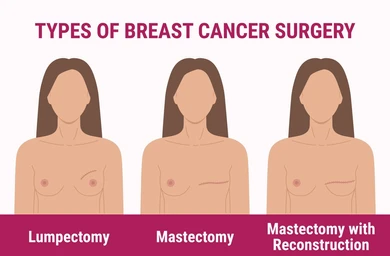
Breast-conserving treatment removes the cancer while keeping as much healthy breast tissue as possible. Instead of removing the entire breast, the goal is to eliminate the tumor and treat any remaining cancer cells with additional therapy. Key points to know:
· Surgery plus therapy. It usually pairs a smaller surgery with radiation, and sometimes chemotherapy or targeted drugs.
· Best for early stage. It works well for small, localized tumors caught early.
· Preserves appearance. The breast keeps much of its natural shape and look.
· Comparable outcomes. For eligible patients, survival rates match those of full breast removal.
These approaches are a key part of modern breast cancer treatment at MACS Clinic in Bangalore.
Lumpectomy: Removing Only the Tumor
A lumpectomy is the cornerstone of breast conservation. It removes only the tumor along with a small margin of healthy tissue, leaving the rest of the breast intact. Important details:
- Targeted removal. Only the cancerous lump and a safe margin are taken out.
- Day-care procedure. Many patients go home the same day.
- Followed by radiation. It is almost always paired with radiation to clear any leftover cells.
- Natural look preserved. Oncoplastic techniques help maintain breast shape and symmetry.
This is one of the most sought-after procedures for breast cancer surgery in Bangalore at MACS.
Role of Radiation Therapy
Radiation therapy is what makes breast conservation safe and effective. After a lumpectomy, tiny cancer cells may remain in the breast, and radiation destroys them. Here is how it helps:
· Clears residual cells. It targets any cancer cells left behind after surgery.
· Lowers recurrence. It significantly reduces the chance of cancer returning in the breast.
· Precise delivery. Modern techniques focus radiation on the target while sparing healthy tissue.
· Short, daily sessions. Treatment is usually spread over a few weeks, with quick daily visits.
Some patients may even qualify for advanced options like IORT, which delivers radiation during surgery itself.
Targeted Therapy and Chemotherapy Options

Surgery and radiation handle the local cancer, but systemic therapies address the disease throughout the body. These are chosen based on the cancer’s biology:
- Chemotherapy. Uses drugs to kill cancer cells, sometimes shrinking tumors before surgery, so conservation becomes possible.
- Targeted therapy. Attacks specific genetic features of the cancer, like HER2, sparing healthy cells.
- Hormone therapy. Blocks hormones that fuel certain breast cancers, thereby lowering the risk of recurrence.
- Personalized plans. Treatment is tailored to the tumor type, stage, and individual patient.
These therapies are often part of comprehensive cancer treatment at MACS Clinic in Bangalore.

Every cancer is different, and so is its treatment. Get a personalized treatment plan from an experienced specialist today.
Factors Affecting Breast-Conserving Treatment Decisions
Not every patient is a candidate for breast conservation. Several factors guide the decision:
· Tumor size and location. Small, single tumors are suitable for conservation; large or multiple tumors may not be.
· Breast-to-tumor ratio. A small breast with a large tumor may limit the options for conservation.
· Cancer stage. Early-stage cancers are more likely to be treatable this way.
· Genetics. BRCA gene carriers may face a higher risk of recurrence and may consider other options.
· Ability to have radiation. Conservation depends on the patient being able to undergo radiation.
· Patient preference. Personal priorities and peace of mind matter in the final choice.
Conclusion
For many women, breast cancer can be treated effectively while preserving the breast. With early detection and the right combination of lumpectomy, radiation, and systemic therapies, breast conservation is often possible, delivering the same cancer control as full removal with a better quality of life. The key is an accurate diagnosis and a personalized plan from an experienced team. Dr. Sandeep Nayak and the team at MACS Clinic offer advanced breast-conserving breast cancer surgery in Bangalore to help patients make informed, confident choices.
FAQs
1. Can all breast cancers be treated without removing the breast?
No. Breast conservation works best for early-stage, smaller tumors. Larger or multiple tumors may need full removal.
2. Does breast conservation always need radiation?
In most cases, yes. Radiation clears any remaining cancer cells and lowers the risk of recurrence.
3. Can chemotherapy alone cure breast cancer without surgery?
No. Chemotherapy supports treatment, but surgery is usually needed to remove the tumor.
4. Are BRCA carriers eligible for breast conservation?
They can be, but a higher recurrence risk means many discuss other options with their surgeon and genetic counselor.
5. Does breast conservation increase the risk of cancer returning?
With radiation, recurrence risk is low and comparable to mastectomy for early-stage cancers.
Disclaimer: This content is published for educational and informational purposes only.