

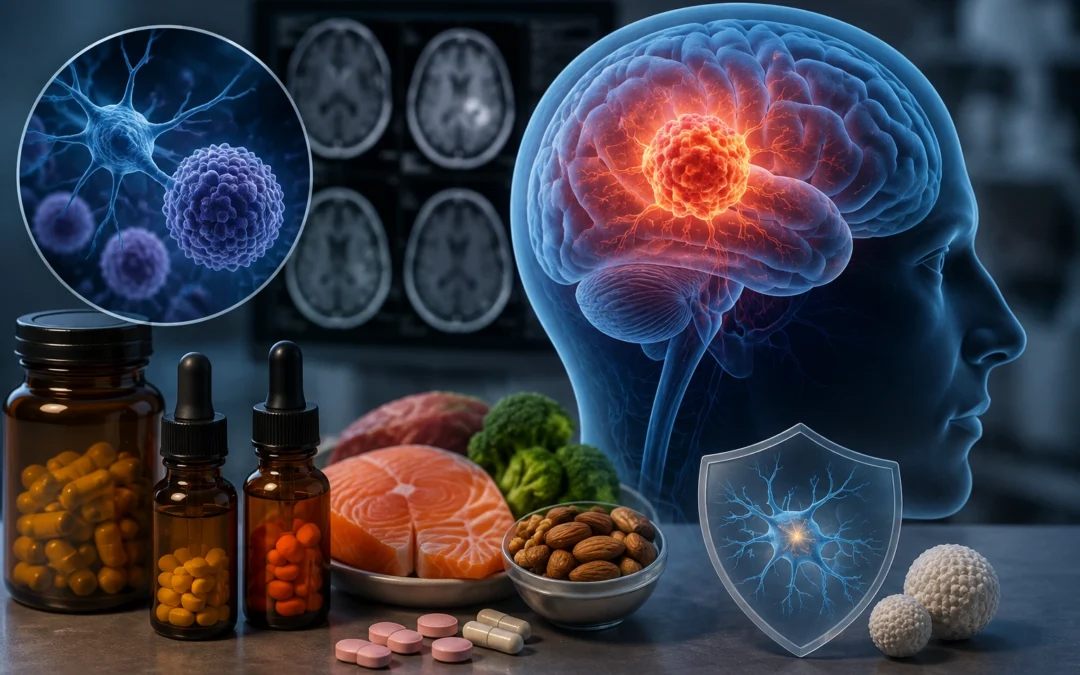
There’s real research behind this, yes, but the honest answer needs some unpacking before it means anything useful. Modified or high-dose forms of vitamin B3 and vitamin B12 have shown genuine promise in clinical and laboratory studies, specifically for glioblastoma, the most aggressive form of brain cancer. What that doesn’t mean is walking into a pharmacy and buying a standard B12 or B3 supplement off the shelf. Those aren’t a cure, and standard B12 in particular might actually feed tumor growth if it isn’t carefully controlled.
Dr. Sandeep Nayak, known for the Best Cancer Treatment in Bangalore, sees this exact confusion come up whenever new research on any vitamin makes headlines. “Someone reads a study headline and assumes they should start taking megadoses of a vitamin at home. That’s exactly backwards for this one. The research is about specific, modified compounds studied in controlled settings, not the bottle from a pharmacy shelf. Taken the wrong way, this could genuinely work against a patient rather than for them.”
Have questions about how research like this applies to your own treatment?
What the Research Actually Shows?
The findings here are specific enough that the details matter more than the headline usually suggests:
- Modified forms of vitamin B3, sometimes studied as niacinamide or related compounds, have shown potential in laboratory and early clinical research for improving how glioblastoma cells respond to treatment
- High-dose, medically supervised B12 protocols are being studied for their effects on tumor metabolism, distinct from ordinary dietary or supplement-level B12
- These are early to mid-stage research findings, not settled standard-of-care treatments available at every cancer center
- The mechanisms involve how these vitamins interact with tumor cell metabolism and DNA repair pathways, which is a different question entirely from general nutritional health
None of this has been packaged into an approved treatment protocol yet. It’s promising research, not a finished answer.
Why Standard Supplements Aren't the Same Thing?
The gap between a research finding and a supplement bottle is exactly where things get risky:
- Standard over-the-counter B12 supplements deliver a completely different form and dose than what’s being studied in these trials
- Some research suggests unregulated B12 supplementation could actually support tumor cell growth rather than suppress it, since cancer cells can use B12 for their own metabolic needs
- There’s no current evidence that taking regular B3 or B12 supplements and diet at home replicates the effects seen in controlled research settings
- Self-directing high doses of any vitamin during active cancer treatment carries real risk of interfering with chemotherapy or radiation, not just a lack of benefit
This is exactly the kind of situation where good intentions and real science can point in opposite directions if the details get skipped over.
Why Choose MACS Clinic for Evidence-Based Brain Cancer Care?
Dr. Sandeep Nayak’s team stays current with emerging research like this without getting ahead of what’s actually proven, building treatment around precision oncology and established standards of care while keeping an eye on where genuinely promising research is headed next.
Every brain cancer case goes through tumour board review before a plan is confirmed — surgical, medical, and radiation oncology input together, alongside molecular profiling that determines which treatments the specific tumour is actually eligible for. Patients here don’t get a plan built on what the cancer is called. They get one built on what the molecular profile says it will respond to.
FAQs
Should someone under 50 start cancer screening earlier than standard guidelines suggest?
Depends a lot on family history. Guidelines have already moved earlier for colorectal cancer specifically, so it’s worth checking whether that now includes your age bracket instead of assuming it doesn’t.
Is thyroid cancer's rise mostly just better detection, or a real increase?
Probably a mix of both, and honestly researchers haven’t fully untangled which part is which yet. Better imaging is finding smaller cancers that might have gone unnoticed before, but that alone doesn’t seem to explain the whole trend.
Does family history matter more for younger patients?
Yes, more than a lot of people assume. When cancer shows up younger, there’s a better chance something genetic or inherited is behind it, compared to the same diagnosis later in life.
Should I stop taking a multivitamin if I have brain cancer?
That’s worth discussing directly with your treating oncologist, since it depends on your specific treatment plan and any existing deficiencies, not something to decide from general information alone.
Reference Links
- NCI — Drugs Approved for Brain Tumors NCI Approved Brain Tumor Drugs
- PubMed — Niacin in Glioblastoma: Phase I Dose-Escalation Trial (2026) PubMed: Niacin Modulates Immune Responses in Glioblastoma
Disclaimer:This content is published for educational and informational purposes only.