

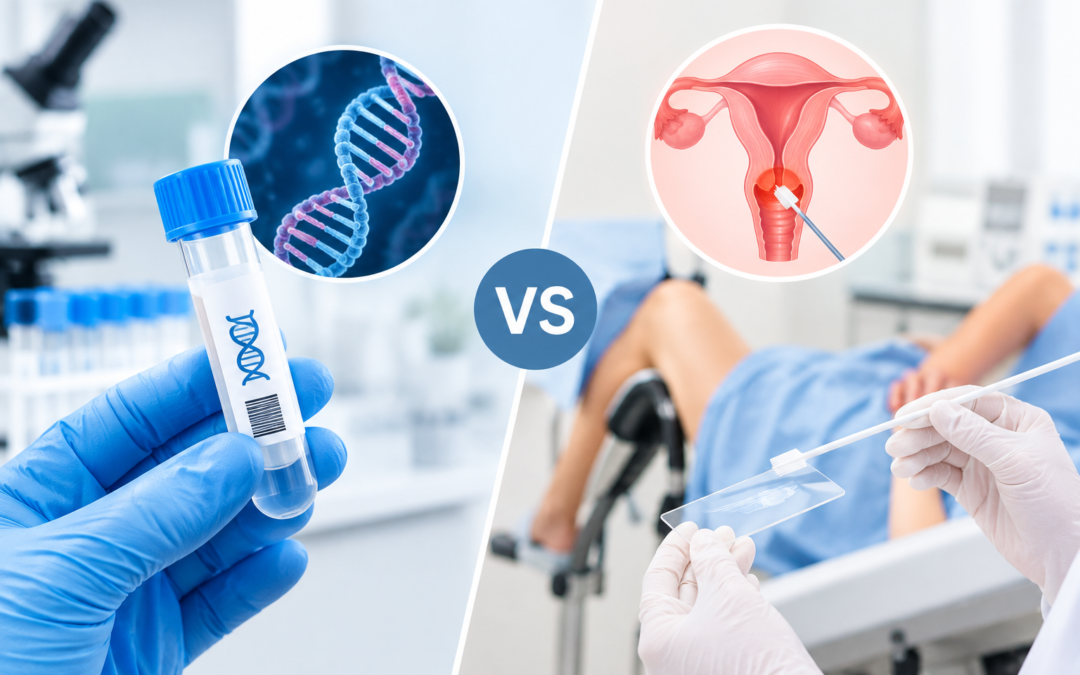
Generally, yes, as the primary screening tool at least. HPV DNA testing picks up high risk strains of the virus that actually cause cervical cancer, and it catches that risk years before any cell changes would even show up on a Pap smear. A Pap smear looks at cells directly, checking for abnormalities that already exist. HPV testing looks earlier in the chain, at the virus itself, before it’s had time to cause those changes at all.
Dr. Sandeep Nayak, Best Cancer Treatment in Bangalore, explains the practical difference this makes. “Think of it this way, a Pap smear catches a fire that’s already started. HPV testing catches the spark before it’s become a fire. Higher risk HPV strains cause nearly all cervical cancer, and catching that infection early gives us a much bigger window to intervene before cell changes ever develop. That’s why guidelines have shifted toward HPV testing as the primary tool in a lot of screening programs now.”
Overdue for cervical screening and unsure which test to ask for?
Why Does HPV Testing Actually Detect Things Earlier?
The mechanism behind each test explains why the timing differs so much.
HPV testing looks for the virus itself. Since nearly all cervical cancer stems from persistent high risk HPV infection, testing for the virus directly identifies risk before any cellular damage has occurred at all.
Pap smears rely on visible cell changes. A Pap smear can only detect abnormality once HPV has already caused changes to cervical cells, meaning by the time a Pap catches something, the process has already been underway for some time.
Higher sensitivity means fewer missed cases. Studies comparing the two consistently show HPV testing catches more cases of significant cervical disease than Pap smears alone, particularly in the earliest, most treatable stages.
Longer testing intervals become possible. Because HPV testing catches risk so much earlier, a negative result allows for longer intervals between screenings compared to Pap smear alone, generally every five years rather than three.
Does This Mean Pap Smears Are No Longer Needed?
Why Choose MACS Clinic for Cervical Cancer Screening?
Dr. Sandeep Nayak’s team at MACS Clinic uses current evidence to guide screening recommendations rather than defaulting to older protocols out of habit. Whether HPV testing alone, Pap smear alone, or co-testing makes the most sense gets decided based on individual age and risk factors, not a single fixed approach for everyone.
For patients with an abnormal result from either test, follow-up evaluation happens promptly, with colposcopy and further testing used to clarify exactly what’s going on before anything gets over or under treated. Due for cervical screening and want guidance on which test fits your situation? Reach the team at +91 9482202240.
FAQs
Can I request an HPV test instead of a Pap smear?
This depends on your age, risk factors, and what’s available at your specific clinic. It’s worth discussing directly with your doctor, since guidelines vary based on individual circumstances.
Does a positive HPV test mean I have cervical cancer?
No, definitely not automatically. A positive HPV test means the virus is present, not that cancer has developed. Most HPV infections clear on their own, and further testing determines what, if anything, needs to happen next.
How often should HPV testing be done compared to a Pap smear?
HPV testing alone with a negative result typically allows for a five year interval between screenings, compared to three years for Pap smear alone, though this varies by specific guideline and individual risk.
Is HPV testing more uncomfortable than a Pap smear?
No, the sample collection process is essentially identical for both tests, the difference is in what the lab actually tests the sample for afterward.
Reference
- NCI – Cervical Cancer Screening: Explains the differences between HPV testing, Pap testing, and HPV/Pap cotesting, including when each may be used.
NCI – Cervical Cancer Screening - NCI – Cervical Cancer Screening (PDQ): Provides evidence comparing HPV/Pap testing with Pap testing alone and discusses sensitivity and screening benefits.
NCI – Cervical Cancer Screening PDQ
Disclaimer:This content is published for educational and informational purposes only.