
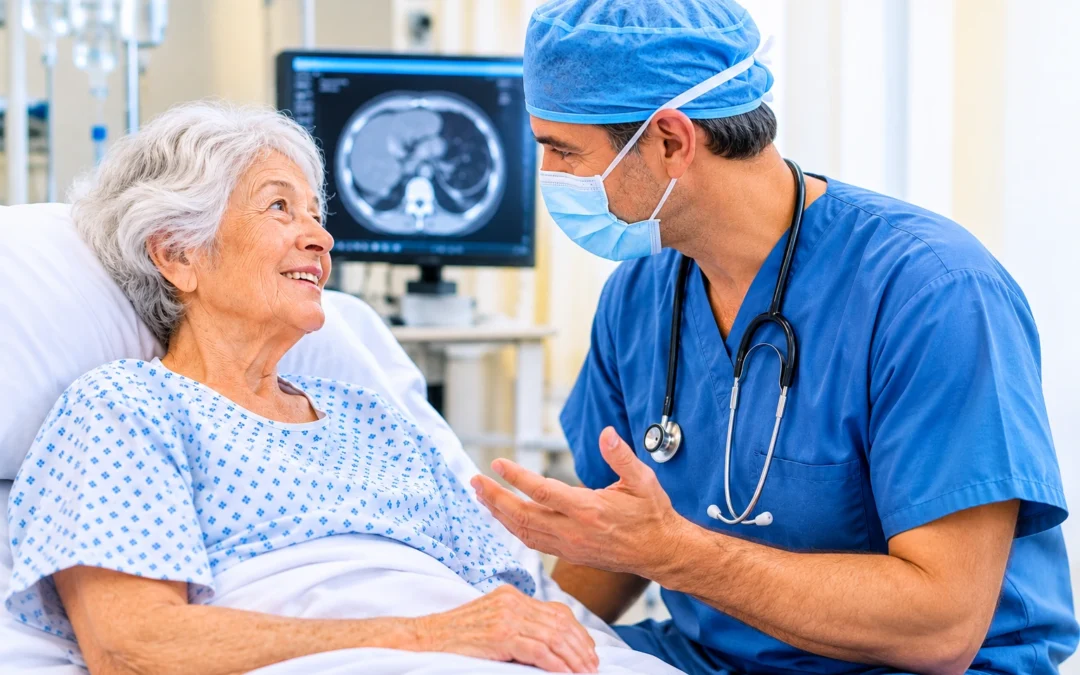
Yes, often. Age on its own does not rule anyone out. A fit 80-year-old can do better through an operation than a frail 65-year-old, so doctors look at how the person is actually functioning: how they walk, eat, think and cope day to day, and what other illnesses they carry. That picture, not the birth date, guides the decision.
Dr. Sandeep Nayak, who provides cancer treatment in Bangalore, says families often assume the answer is no before anyone has asked. “People tell me their father is too old for surgery. Sometimes that is true. Often it is not. We check heart, lungs, kidneys, nutrition and strength first. If someone is fit enough, surgery can offer a real chance of cure or control, and a smaller operation, such as keyhole or robotic surgery, can make it gentler.”
Learn how doctors assess surgical fitness in elderly cancer patients and explore suitable treatment options based on age, health, and individual needs.
What Makes Cancer Surgery in Old Age Riskier?
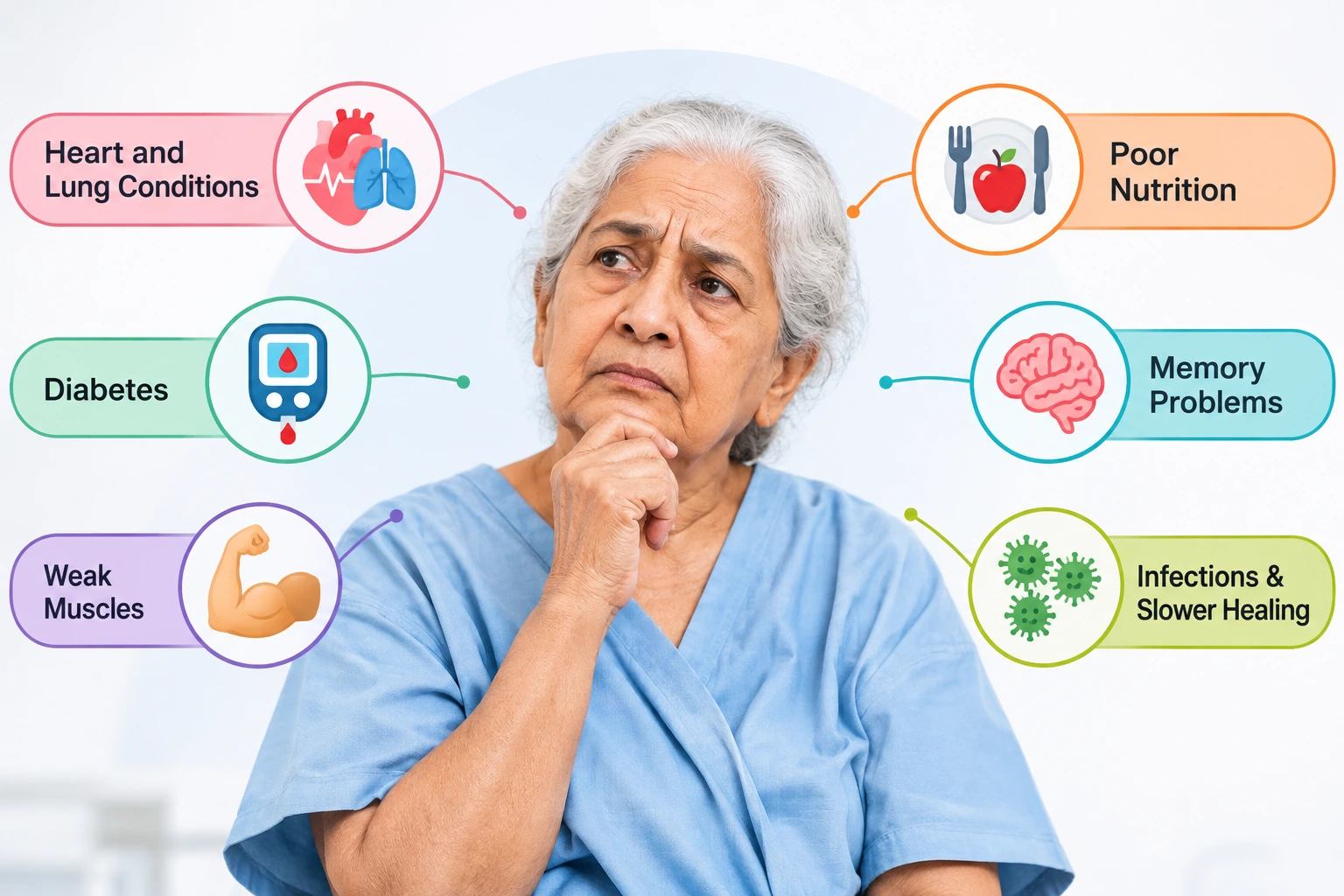
Cancer surgery in old age carries a few extra risks, mostly because the body’s reserves are lower. Preparation can reduce many of them.
Heart and lung conditions. These limit how well the body handles anaesthesia and the stress of an operation.
Diabetes. Poorly controlled sugar slows healing and raises infection risk.
Weak muscles. Low strength makes getting back on your feet harder.
Poor nutrition. Low protein and weight loss slow wound healing, and this can often be improved before surgery.
Memory problems. They raise the chance of confusion after the operation.
Infections and slower healing. Both are more likely, which is why the pre-operative work-up matters. Our blog on whether elderly patients can tolerate robotic cancer surgery covers how smaller incisions help.
What Are the Cancer Treatment Options for Elderly Patients Beyond Surgery?
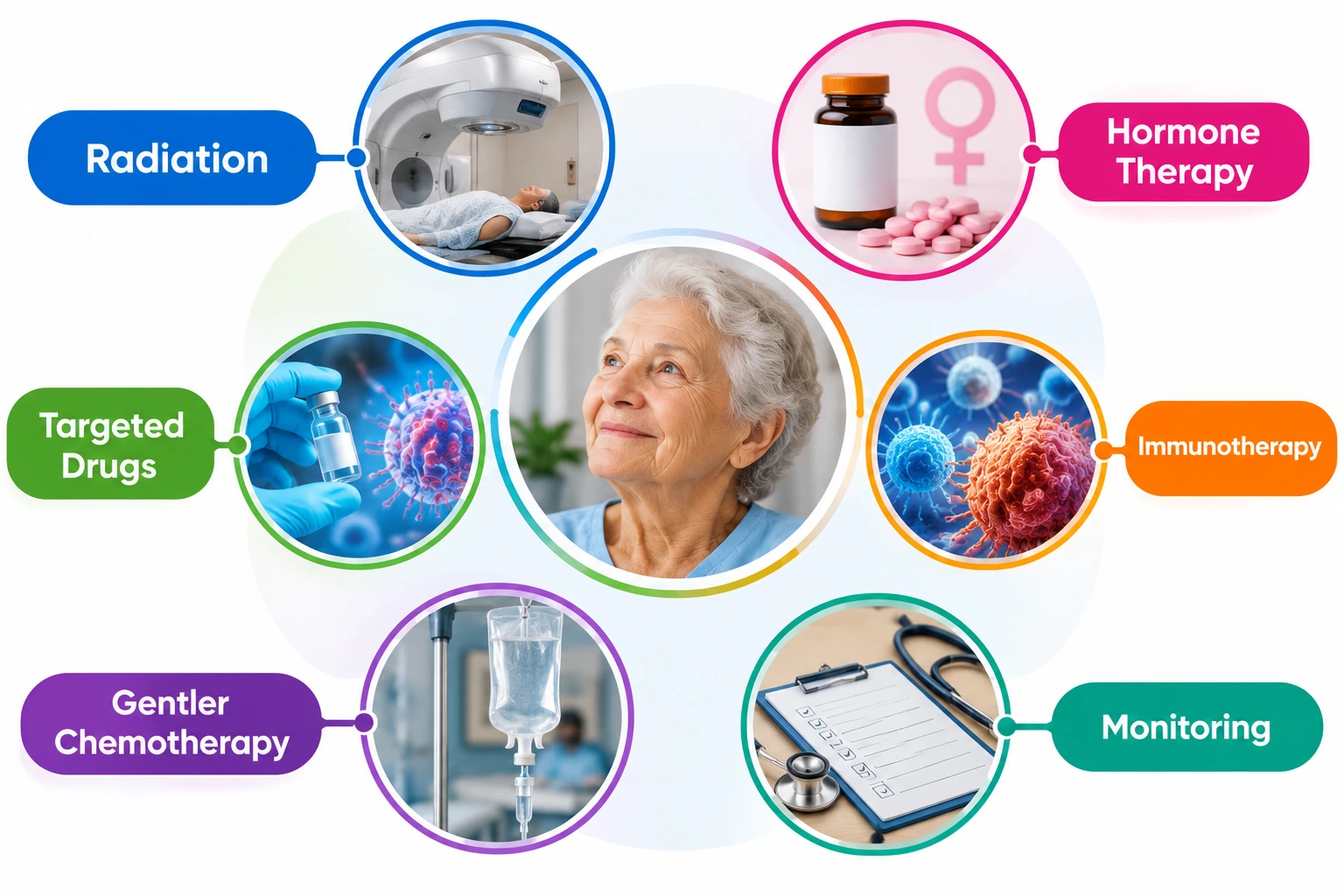
Cancer treatment for elderly patients is not only surgery. The options depend on the cancer and the person’s fitness.
Radiation. For someone not fit for an operation, stereotactic radiation can sometimes achieve a similar aim.
Hormone therapy. Used for hormone-sensitive cancers such as some breast and prostate cancers.
Targeted drugs. Often gentler than standard chemotherapy when the tumour carries a suitable marker.
Immunotherapy. An option for certain cancers.
Gentler chemotherapy. Doses and schedules can be adjusted to suit older patients.
Monitoring. Some slow-growing cancers can be watched safely. Our blog on radiation therapy vs surgery for early-stage cancer explains how the choice is made.
What Determines the Right Treatment Approach for Elderly Patients?
The team looks at several things together.
Overall fitness, not just age. Mobility, strength and independence in daily tasks.
Other illnesses. Heart, lung, kidney and diabetes control.
Nutrition and weight. Poor nutrition slows healing, and it can often be improved beforehand.
Thinking and memory. This affects recovery and consent.
The cancer itself. Type, stage and how fast it grows. Precision oncology testing may open gentler targeted options.
What the patient wants. Independence and quality of life often matter more than the longest possible timeline.
FAQs
Is there an upper age limit?
No fixed limit. Fitness matters more.
Will recovery take longer?
Often, yes. Early walking and good nutrition help.
Can surgery be done under local anaesthesia?
Only for some small procedures.
Who decides?
You and your team, with family involved.
Reference Links:
1. National Cancer Institute (NCI) – Aging and Cancer
https://cancercontrol.cancer.gov/brp/bbpsb/aging-and-cancer
2. American Cancer Society – How Geriatric Assessments Can Benefit Older Adults with Cancer
https://www.cancer.org/cancer/latest-news/how-geriatric-assessments-can-benefit-older-adults-with-cancer.html
Disclaimer
This content is published for educational and informational purposes only and is not a substitute for medical advice. Which treatment is right depends on your individual case, so please consult your oncologist.