

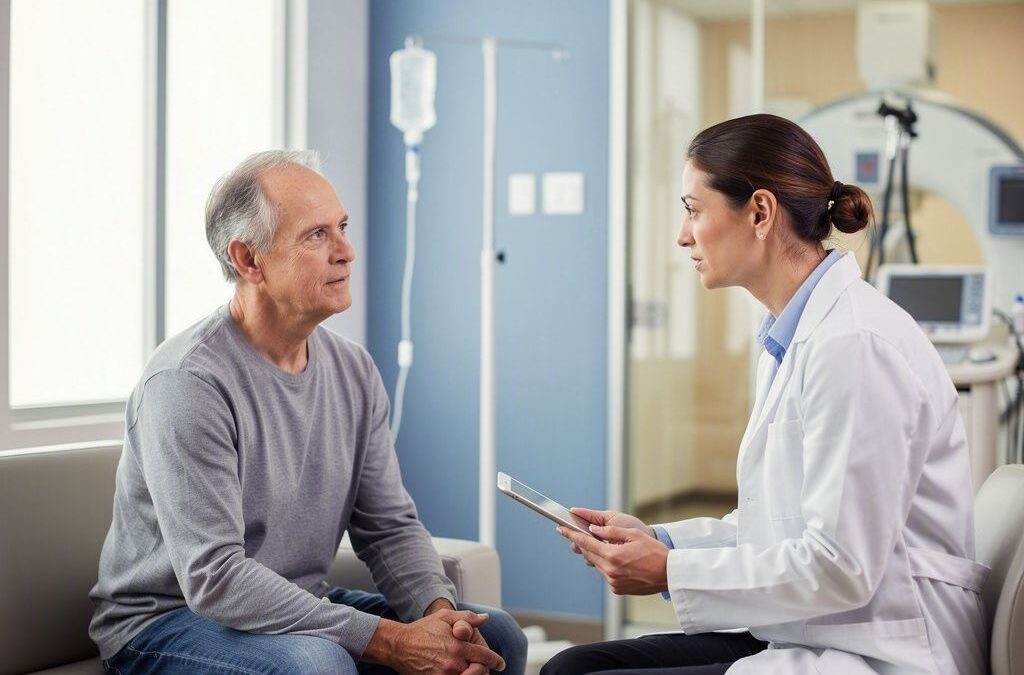
Yes, treatments like radiation therapy and certain chemotherapy drugs can, in a small number of cases, cause a genuinely new and unrelated cancer years down the line, though the overall risk stays low for most patients. So how does something meant to destroy cancer end up causing a different one entirely? Because both radiation and many chemotherapy drugs work by damaging DNA, that’s the whole point when it’s aimed at a tumor, but healthy cells nearby take some collateral damage too, and every so often that damage lands in exactly the wrong spot and sets off a new cancer years later.
Dr. Sandeep Nayak, known for the Best Cancer Treatment in Bangalore, frames this risk carefully with patients rather than downplaying or overstating it. “This is a real, documented risk, not a rumor. It’s also a small one compared to the certainty of what happens if the original cancer goes untreated. Nobody should walk away from necessary treatment over this. What they should walk away with is knowing which long-term follow-up actually matters for their specific treatment, so if something does show up years later, it gets caught early rather than dismissed.”
Concerned about long-term risk from past or upcoming treatment?
What Actually Drives This Risk?
The risk isn’t uniform across all treatments, it depends heavily on which specific therapy was used and where:
- Radiation therapy carries a small increased risk of a new cancer developing specifically within or near the treated field, generally showing up years to decades after treatment, not months
- Certain chemotherapy drugs, particularly some older alkylating agents and topoisomerase inhibitors, carry a documented association with treatment-related leukemia developing later, usually within the first several years after treatment
- Younger patients treated for cancer, including childhood cancer survivors, generally face a longer window of years ahead during which a second cancer could theoretically develop, simply because there’s more time
- Combining radiation and certain chemotherapy drugs can raise this risk further compared to either treatment alone, which factors into how treatment plans get built when alternatives exist
None of this changes the math on treating the cancer actually in front of a patient right now. It shapes what long-term monitoring looks like afterward, not whether treatment happens in the first place.
What Ongoing Monitoring Actually Looks Like?
Why Choose MACS Clinic for Long-Term Cancer Survivorship Care?
Dr. Sandeep Nayak’s team builds a specific survivorship monitoring plan based on the actual treatment a patient received, rather than a generic follow-up schedule applied regardless of which drugs or radiation fields were involved. For patients who received higher-risk combinations specifically, that plan includes the bloodwork and imaging intervals that genuinely matter for their situation, communicated clearly so patients understand why each piece of ongoing monitoring exists. Treatment decisions upfront also weigh this long-term risk directly when reasonable alternatives exist, balancing it honestly against what actually treats the current cancer most effectively.
Want your own long-term monitoring plan reviewed based on your treatment history? Reach the team at +91 9482202240.
FAQs
How common is it to actually develop a second cancer from treatment?
It’s genuinely uncommon overall, the specific risk varies by treatment type, dose, and individual factors, but it remains low enough that it shouldn’t be a reason to avoid necessary treatment.
Does this risk mean I should choose a less effective treatment to avoid it?
Generally no, the risk of undertreating the current cancer almost always outweighs this smaller, longer-term risk, though it’s a reasonable factor to discuss when multiple effective options genuinely exist.
How long after treatment could a second cancer actually develop?
It varies by type, treatment-related blood cancers often show up within several years, while solid tumors from radiation exposure can take considerably longer, sometimes decades.
Should I get special screening because of past cancer treatment?
Often yes, depending on what you received. It’s worth discussing directly with your care team what long-term monitoring actually makes sense for your specific treatment history.
Reference
- Second Cancers Caused by Cancer Treatment, American Cancer Society
- Subsequent Neoplasms and Cancer Treatment, PMC
- What Causes Leukemia, MACS Clinic
Disclaimer:This content is published for educational and informational purposes only.