

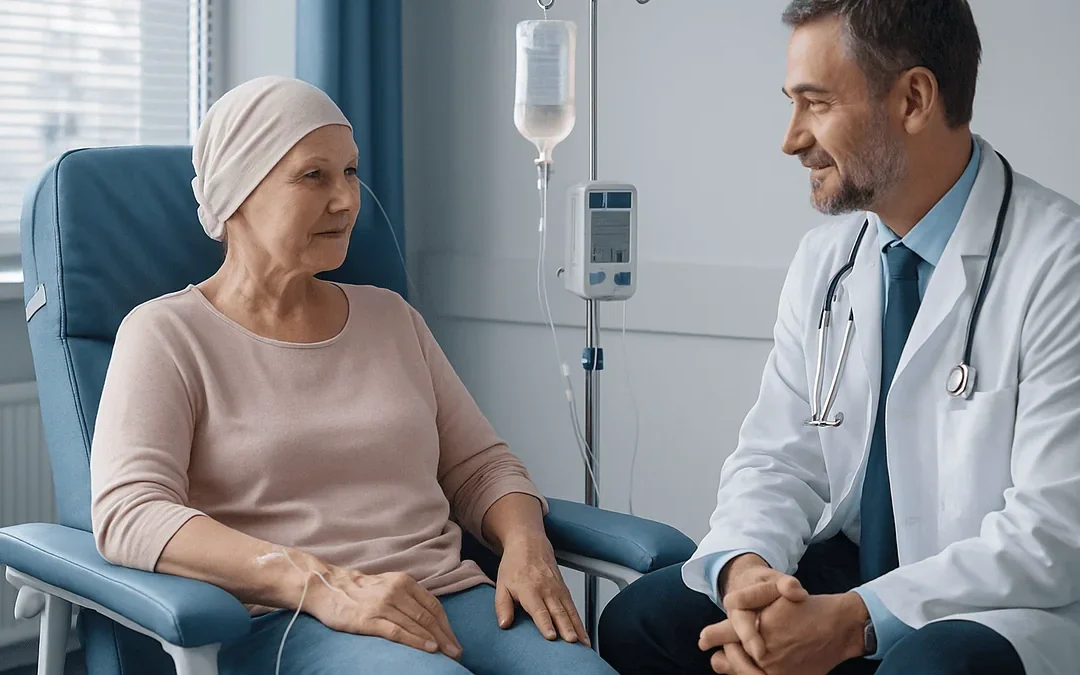
When chemotherapy isn’t working, the treatment plan doesn’t just stop, it shifts, doctors move toward evaluating new therapies, managing symptoms more directly, or focusing on comfort care, depending on what’s actually still available and what the patient wants. So how does anyone actually know chemotherapy not working is the reality rather than just a slower response than hoped? Usually through a combination of imaging showing the tumor hasn’t shrunk or has grown, tumor marker bloodwork trending the wrong direction, and symptoms that haven’t improved the way they should have by that point in treatment.
MACS Clinic known for the Best Cancer Treatment in Bangalore, walks patients through what happens when chemotherapy stops working as a real conversation, not a single dramatic moment. “It’s rarely one scan that changes everything overnight. It’s usually a pattern building across a couple of assessments. Once that pattern is clear, we sit down and go through what’s actually left on the table, another drug, a completely different approach, or shifting the goal toward comfort and quality of life. None of those are a failure on the patient’s part.”
Facing a treatment that doesn’t seem to be working?
How the Decision Actually Gets Made?
Confirming that chemotherapy isn’t working involves more than a single test, it’s a pattern doctors look for across several signals together:
- Interim imaging showing tumor growth rather than shrinkage, usually after at least two full cycles, is the clearest signal, since some drugs take time to show an effect
- Tumor marker blood tests trending upward instead of down over consecutive measurements adds another data point, though markers alone don’t confirm the picture on their own
- New or worsening symptoms that don’t improve as treatment progresses, when they were expected to, factor into the overall assessment alongside the scans and bloodwork
- The specific drug’s known response rate for that cancer type also matters, a regimen with a historically lower response rate gets evaluated on a different timeline than one expected to work quickly
None of these signals alone confirms treatment failure. Together, across more than one assessment, they build the picture that leads to an actual change in plan.
What Actually Comes Next Once That's Confirmed?
Why Choose MACS Clinic for Navigating a Change in Treatment Plan?
MACS Clinic’s team reassesses treatment response honestly at each planned checkpoint rather than continuing a regimen out of habit once the data suggests it isn’t working. When a shift in approach is needed, that conversation includes every genuinely available option, a different drug, a clinical trial, or a change in overall goals, laid out clearly rather than presented as one narrow path forward. For patients and families weighing a shift toward comfort-focused care, that transition gets handled with the same level of attention and support as active treatment did, not treated as a separate, lesser phase of care.
Concerned that your current treatment isn’t achieving what it should? Reach the team at +91 9482202240.
FAQs
How many cycles of chemotherapy does it usually take to know if it's working?
Typically at least two full cycles before imaging can meaningfully show whether a tumor is responding, though this varies by drug and cancer type.
Does chemotherapy not working mean no more treatment options exist?
Not necessarily, it often means switching to a different drug class, immunotherapy, or a clinical trial rather than running out of options entirely.
Is it normal to feel like giving up if chemotherapy stops working?
Very normal, and worth discussing openly with your care team, since emotional support during this transition matters just as much as the medical decisions being made.
Can palliative care start before deciding to stop active treatment?
Yes, palliative care focused on symptom relief and quality of life can run alongside active treatment at any stage, not only after treatment stops.
Reference
- Why Do Some Cancers Not Respond to Chemotherapy, MACS Clinic
- When Your Cancer Treatment Stops Working, MedlinePlus
- First-Line vs Second-Line Chemotherapy: Difference, MACS Clinic
Disclaimer:This content is published for educational and informational purposes only.