

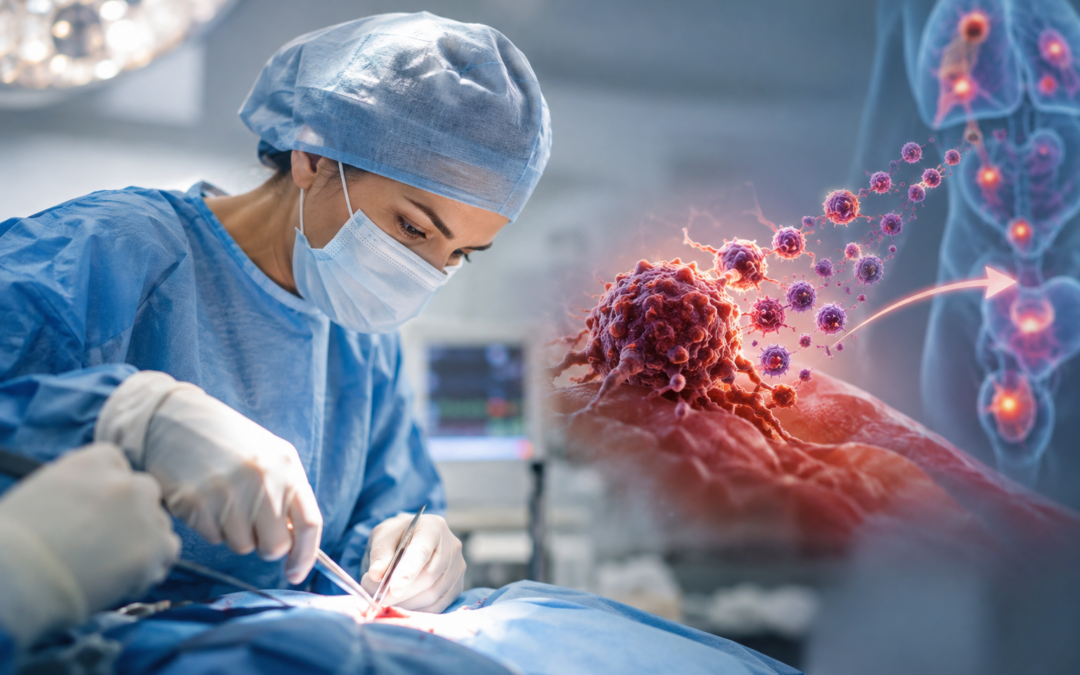
No. When it’s done properly, cancer surgery does not make the disease spread to other parts of the body. This worry comes up in almost every consultation, and it’s an understandable one, but the fear runs well ahead of the facts. Removing a tumour is one of the oldest and most reliable ways to treat cancer, and for a lot of patients it’s the single step most likely to cure them. The idea that cutting into a tumour somehow sets it loose has stuck around for years, so it’s worth answering the question people are really asking, which is does cancer surgery spread cancer, in plain terms rather than vague reassurance.
Dr. Sandeep Nayak, who provides the Best Cancer Treatment in Bangalore, hears it constantly: “People come in convinced that touching the tumour will wake it up and send it everywhere. That’s just not how it works when the surgery is done by someone who knows what they’re doing. We handle tissue in ways specifically designed to keep the cancer contained, and for most patients the far bigger risk is leaving the tumour sitting there, not removing it. The myth scares people out of the one treatment most likely to help them.”
Worried about surgery and want a straight answer first?
Where Does This Fear Actually Come From?
The myth didn’t appear from nowhere. A few real things got stretched into a much bigger claim than the evidence supports.
Old stories: Decades back, before imaging and surgical technique were anywhere near today’s standard, a tumour would sometimes already have spread before anyone operated. The cancer showed up elsewhere later, people blamed the surgery, and the story stuck around long after the medicine moved on.
Air exposure myths: A common version is that exposing a tumour to air makes it grow or scatter. There’s no science behind it. Air doesn’t feed cancer or push it to travel, and the belief survives mostly because it sounds vaguely plausible.
Rare, specific risks: A tiny number of procedures carry a small, well-documented chance of cells seeding along a needle track or an incision. Surgeons know exactly where this applies, and careful precision oncology planning is built around avoiding it, which is a long way from surgery routinely spreading disease.
Timing confusion: Sometimes cancer turns up in a new spot not long after an operation, and the two feel connected. Usually those cells were already there, too small to detect, and the surgery simply happened first. Coincidence, not cause.
How Do Surgeons Stop Any Spread?
Why Choose MACS Clinic For Cancer Surgery?
Dr. Sandeep Nayak’s team at MACS Clinic spends real time on this conversation instead of brushing the worry aside. Every operation uses containment technique as standard, from no-touch handling to minimally invasive and robotic approaches, so the question of spread is answered by how the surgery is actually done, not by a reassuring sentence. Two decades in surgical oncology, much of it on complex and advanced cases, sits behind that.
Patients leave understanding why surgery is safe and what their particular procedure involves, fear and all. Nobody here gets talked out of a life-saving operation by a myth, and nobody gets a vague “trust me” when they wanted the actual reasoning.
FAQs
Can surgery cause cancer to spread to other organs?
No. Properly performed cancer surgery doesn’t send disease to other organs, and the technique is specifically built to prevent it.
Does exposing a tumour to air make cancer spread?
No, that’s a myth with no scientific basis. Air doesn’t feed a tumour or cause it to travel.
Why does cancer sometimes appear after surgery?
Usually those cells were already present but too small to detect. The surgery happened first, so it gets blamed by coincidence.
Is it safer to avoid surgery to stop cancer spreading?
Generally no. Leaving a tumour untreated is far riskier than removing it with proper surgical technique.
Reference
- National Cancer Institute (NCI) – Common Cancer Myths and Misconceptions — Covers the very low risk of cancer spreading because of surgery or biopsy.
- American Cancer Society – Risks and Side Effects of Cancer Surgery — Explains surgical risks, tumor seeding, and why surgery generally does not cause cancer to spread.
Disclaimer:This content is published for educational and informational purposes only.