

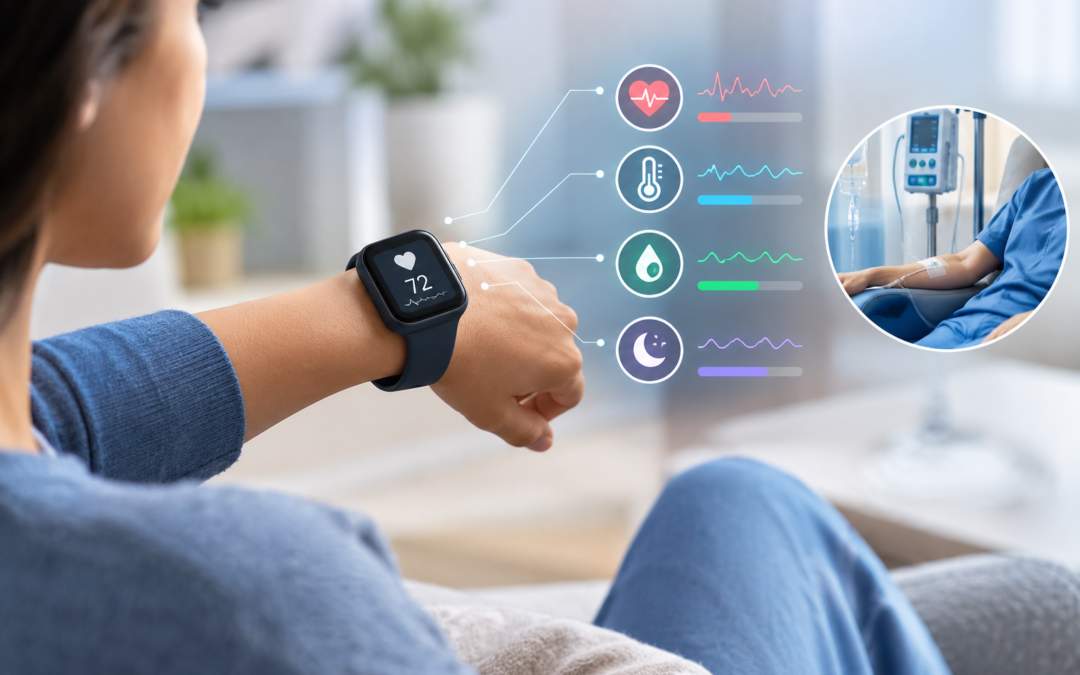
Yes. A watch or ring that tracks heart rate, temperature, sleep and daily steps notices slow changes that a patient might not feel yet. A resting heart rate that creeps up for a few days. Sleep that falls apart. Steps that quietly halve. Any of those can be an early sign of infection, dehydration or heavy fatigue during treatment. The catch is that the device only raises a flag. It can’t tell you what the cause is.
Dr. Sandeep Nayak, who provides cancer treatment in Bangalore, is positive about wearables but careful. “Most side effects arrive between visits, and we only hear about them when the patient calls. A device that shows a fever pattern or a sudden drop in activity can bring that call forward by a day or two. That day matters. But I wouldn’t want anyone to feel reassured just because the watch looks fine, or frightened because one number moved.”
Thinking about tracking your health at home during treatment? Ask your care team which changes need a same-day call.
What Can Wearables and Cancer Treatment Tracking Pick Up?
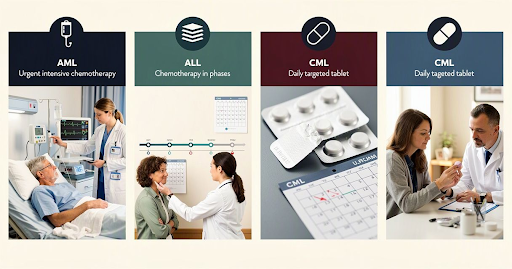
Wearables and cancer treatment fit together best where changes build up over days.
Fever and infection. Chemotherapy can lower the white cell count, and a fever then needs urgent attention. A rising temperature or resting heart rate can be an early nudge. It never replaces a thermometer.
Fatigue. Falling daily steps and long stretches of sitting can show tiredness getting worse before the patient says anything.
Poor sleep. Broken sleep is common during treatment, and a clear pattern is useful to show the care team.
Heart rhythm changes. Some treatments affect the heart, and certain devices can flag an irregular rhythm for a doctor to check.
Recovery after surgery. Daily activity gives a rough sense of how quickly someone is getting back on their feet. Our blog on recovery after robotic cancer surgery covers what normal progress looks like.
Where Does Wearable Technology in Cancer Care Fall Short?
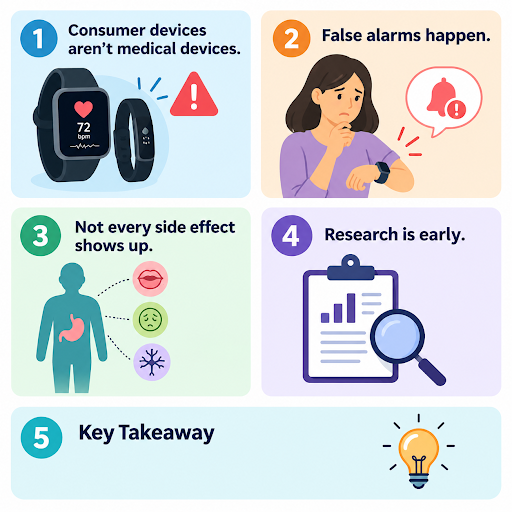
Wearable technology in cancer care is still developing, and a few limits are worth knowing.
Consumer devices aren’t medical devices. They can be off by a fair margin, and readings vary between brands.
False alarms happen. A bad night or a hot room can move the numbers. Too many alerts leave people anxious.
Not every side effect shows up. Mouth sores, nausea and nerve changes don’t register on a watch. Our blog on exercise during chemotherapy explains why symptoms still need to be reported directly.
Research is early. Studies so far are small, so use these devices as a helper, not a safety net.
What Determines the Right Treatment Approach?
Whether a wearable is useful during treatment depends on the individual, and the treating team looks at a few things together.
The type of treatment. Chemotherapy, immunotherapy, radiation and surgery recovery each carry different side effects, so the signs worth watching differ.
Your risk of complications. Someone with low blood counts needs to watch for fever more closely than someone between cycles.
What the device can actually measure. Heart rate, temperature, sleep and activity are tracked. Mouth sores, nausea and nerve changes are not.
How reliable the readings are. Consumer devices can be inaccurate, so the team treats them as a prompt to check, not a diagnosis.
Your own symptoms. What you feel and report always counts, whatever the device shows.
Because these factors vary, ask your treating team which warning signs need a same-day call, and which readings, if any, are worth tracking.
Key Takeaways
- A wearable can flag changes such as a rising resting heart rate or falling activity, but it cannot tell you the cause.
- A device is never a replacement for reporting symptoms to your care team.
- Which signs need a same-day call depends on your treatment and current health.
- Consumer devices can be inaccurate, and many side effects do not show up on them.
- For questions about your own situation, you can contact the clinic at +91 9482202240.
FAQs
Can a smartwatch tell me if I have an infection during chemotherapy?
It can hint at one through a higher resting heart rate or temperature. Check with a thermometer, and call your care team if you have a fever.
Do I need a special device?
Not always. Many patients use an ordinary fitness tracker. Ask your care team before buying anything new.
Should I rely on my wearable instead of reporting symptoms?
No. Report how you feel, whatever the device shows.
Are wearables approved for cancer care?
Some medical-grade monitors are used in research and clinics. Most consumer devices aren’t designed for it.
Reference
Use of Wearable Devices in Oncology Patients: A Systematic Review Reviews how wearable devices can support cancer treatment monitoring, track physical activity, and identify changes in patients’ health during treatment and recovery. Link: https://pmc.ncbi.nlm.nih.gov/articles/PMC10994271/
The Use of Wearables in Clinical Trials During Cancer Treatment: Systematic Review Examines wearable devices used during active cancer treatment, including monitoring physical activity, sleep patterns, and circadian rhythms. Link: https://pmc.ncbi.nlm.nih.gov/articles/PMC7688381/
Disclaimer:This content is published for educational and informational purposes only.