
Cancer is staged I to IV using the TNM system measuring tumor size (T), lymph node involvement (N), and distant metastasis (M). Stage I means cancer is small and confined to where it started. Stage IV means it has spread to distant organs like liver, lungs, bones, or brain. Staging determines treatment approach, surgical eligibility, and survival probability because every oncology decision starts with “what stage is it.”
According to Dr. Sandeep Nayak, Best cancer treatment in Bangalore, “Patient Googles ‘stage 3 cancer’ and reads a survival percentage that ruins their sleep for weeks. That number is a population average not their personal outcome. Two Stage III patients with the same cancer can have completely different futures based on tumor biology and treatment response.”
Stage tells you where the cancer is. It doesn’t tell you where the patient ends up.
What Does Each Stage Mean?
Each stage describes a progressively larger footprint the cancer occupies in the body. Higher stage means wider spread and more complex treatment.
- Stage I: Small cancer confined to the organ it started in. No nodes, no spread. Surgery alone often cures it. Five-year survival exceeds 90% for most cancers at this stage. This is what screening catches and why early detection matters more than any treatment.
- Stage II: Larger tumor or minimal local tissue invasion but still no distant spread. Surgery remains primary treatment, sometimes with adjuvant chemo or radiation depending on pathology. Survival stays strong but treatment gets layered.
- Stage III: Cancer reached regional lymph nodes or invaded surrounding structures significantly but hasn’t travelled to distant organs. Treatment combines surgery, chemo, and possibly radiation. Still curable for many cancers but the window narrows.
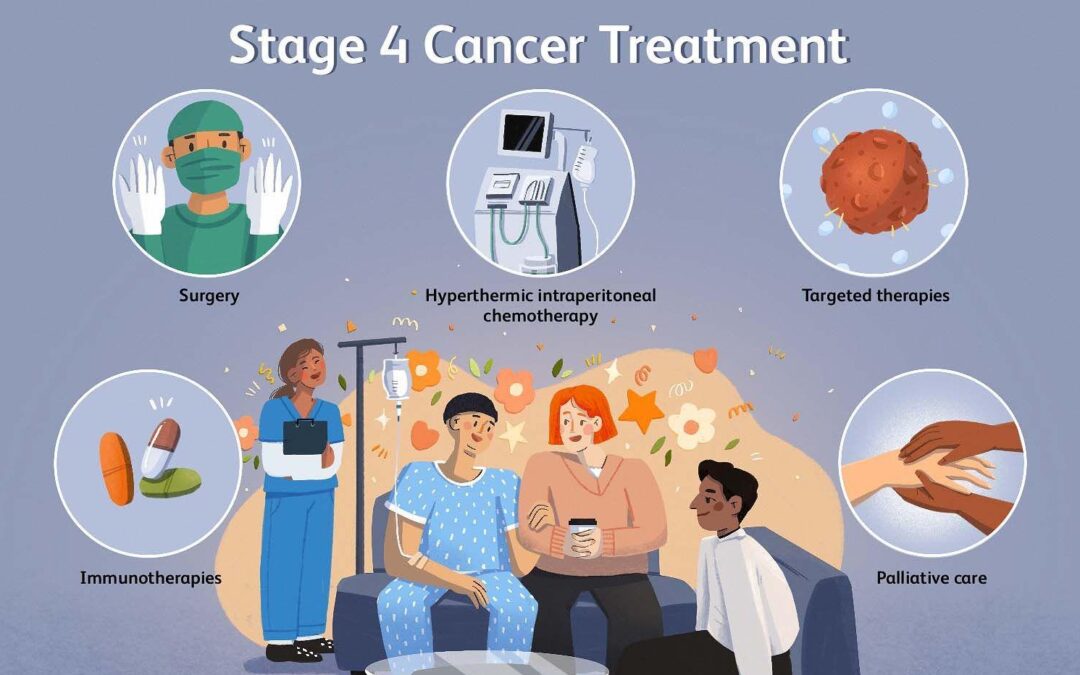
- Stage IV: Distant organ metastasis. Treatment shifts from cure to control for most cancers. But immunotherapy and targeted drugs have turned some Stage IV cases like melanoma and EGFR-positive lung cancer from death sentences into chronic manageable conditions.
Your oncologist determines staging through precision diagnostics including CT, PET-CT, MRI, biopsy, and molecular profiling before treatment starts.
Why Does Staging Matter for Treatment
Same cancer name at different stages gets completely different treatment. Stage isn’t just a label. It’s the single biggest factor deciding what happens next.
- Surgery decision: Stage I colon cancer needs a 90-minute segmental resection. Stage III needs wider excision with full lymphadenectomy and adjuvant chemo afterward. Stage IV may not qualify for surgery at all unless metastasis is limited enough for resection with curative intent.
- Chemo and radiation: Stage I breast cancer with clean margins may skip chemo entirely. Stage III same breast cancer gets neoadjuvant chemo, surgery, radiation, and possibly targeted therapy. The stage triggers which drugs enter the plan and for how long.
- Survival context: Stage I colorectal cancer has 90%+ five-year survival. Stage IV drops below 15%. But those are population averages. The 30-year-old with Stage IV and a targetable mutation may outlive the 75-year-old with Stage II and unrelated comorbidities. Numbers guide expectations, they don’t write individual outcomes.
- Stage doesn’t change: Once assigned at diagnosis the original stage stays permanently in the record even if the cancer later progresses. A patient diagnosed at Stage II whose cancer later spreads is clinically treated as metastatic but their original staging remains Stage II in every survival database.
Understanding how family history assessment separates genuine hereditary risk from statistical noise explains why staging similarly separates what treatment the cancer needs from what treatment the patient fears.
Why Choose MACS Clinic?
Dr. Sandeep Nayak’s team at MACS Clinic completes staging within one week of diagnosis using CT, PET-CT, MRI, and biopsy so the treatment plan starts from a confirmed stage not an assumption. Tumor board reviews every case before surgery is scheduled.
Patient here gets staging explained in language they follow with their actual numbers on the table. Not a generic pamphlet about stages but a conversation about what their specific T, N, and M means for their specific treatment plan.
Call +91 8035740000 to book your consultation.
FAQs
What does cancer staging mean?
Staging describes how far cancer has spread using the TNM system measuring tumor, nodes, and metastasis.
Is Stage IV cancer always terminal?
Not always. Immunotherapy and targeted drugs have made some Stage IV cancers manageable long-term.
Can cancer stage change after diagnosis?
Original stage stays in records permanently. Clinical management changes if cancer progresses later.
Which stage has the best survival rate?
Stage I with over 90% five-year survival for most cancer types due to early localized disease.
References
- Cancer staging overview — National Cancer Institute
- TNM classification system — World Health Organization