
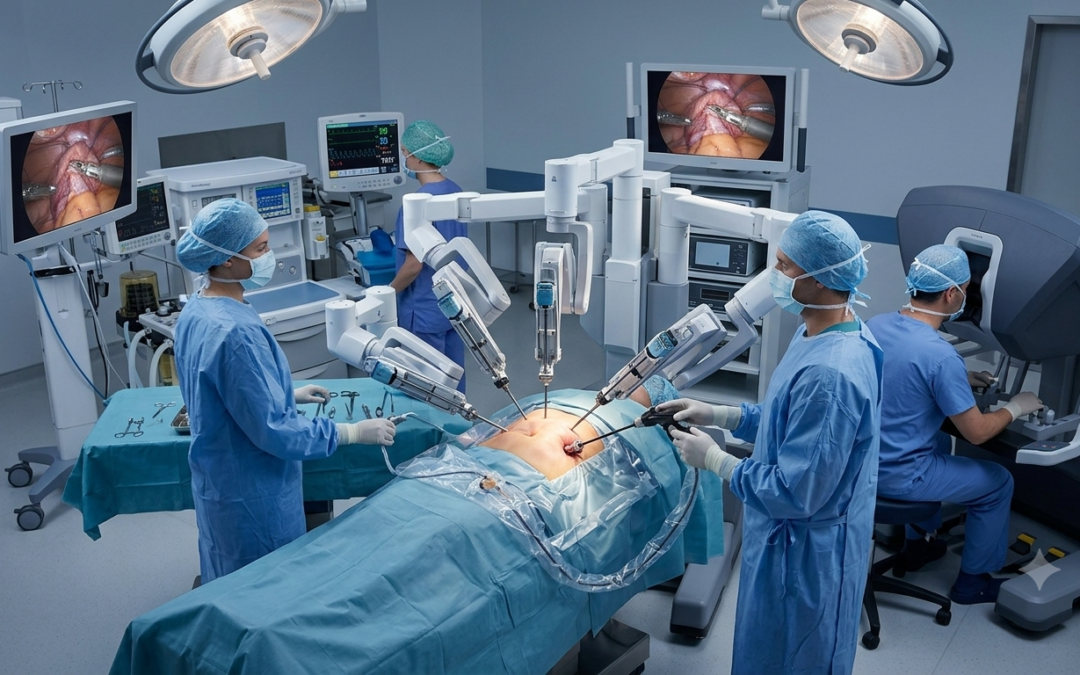
Breast cancer surgery is constantly evolving, with newer techniques provide greater control to the surgeon while aiming to limit the impact of treatment on the body. Essential facts about robotic breast cancer surgery explain how the use of specialized technology in robot-assisted surgery improves surgical accuracy in certain cases, its potential benefits, and reasons why robotic surgery might be recommended for certain patients and not for others.
Dr. Sandeep Nayak, a well-known cancer specialist in Bangalore, states, “Robotic technology can enhance surgical precision, but technology alone does not determine the right treatment. Careful patient selection, sound surgical judgement, and cancer-focused planning remain essential.”
Dr. Sandeep Nayak is a cancer surgeon with a special expertise in advanced breast cancer surgery and selection of the right surgical technique for each patient. At MACS Clinic, his practice involves the use of new surgical technologies when needed, such as robotic surgery in Bangalore.
Understanding Robotic Breast Cancer Surgery
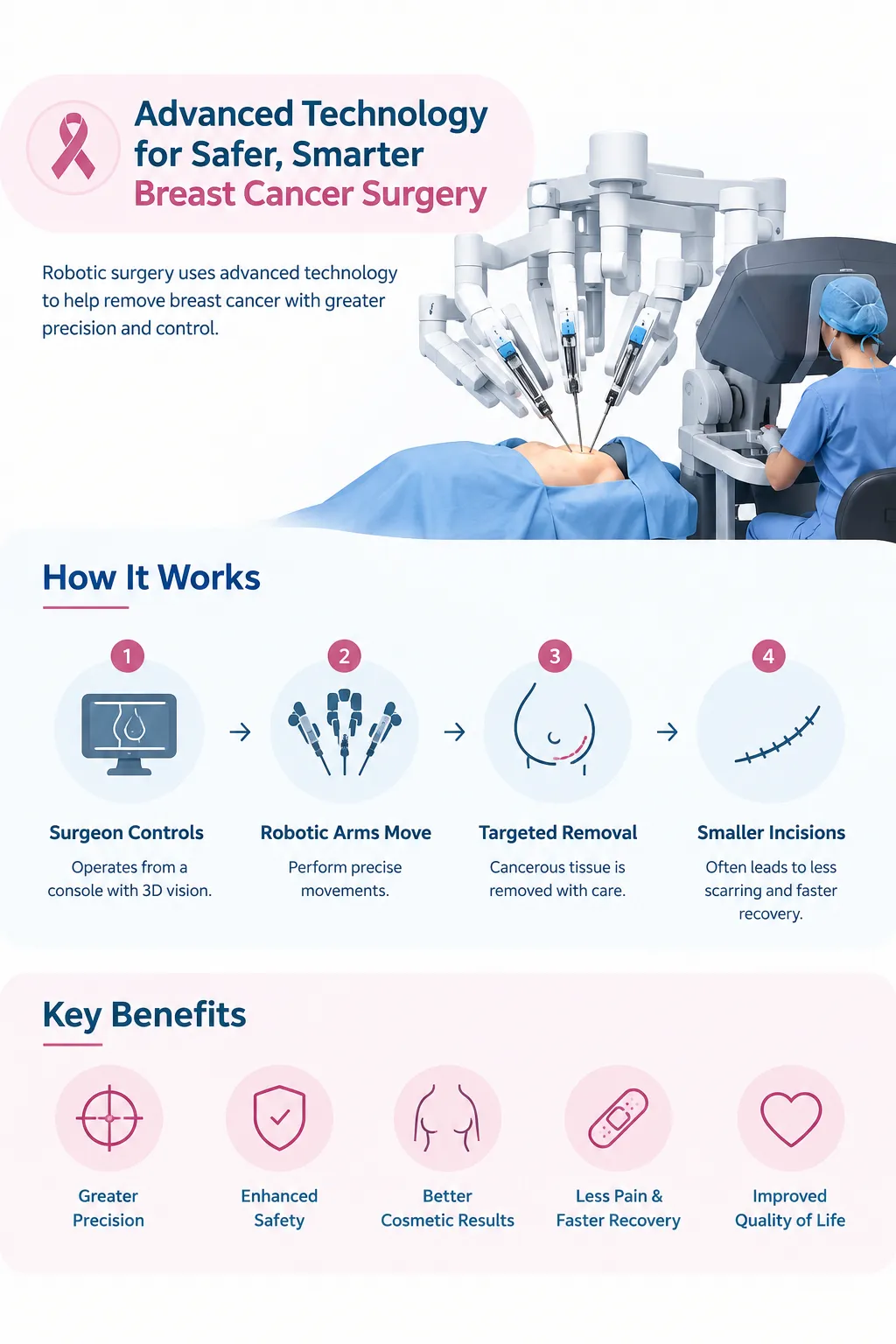
Robotic breast cancer surgery is a minimally invasive method where the surgeon uses a robotic system to perform specific procedures with enhanced control and finer precision.
The robot doesn’t act on its own. A surgeon sits at a console and guides every movement.
Depending on the patient’s condition, robotic techniques might be considered for procedures such as:
- Selected breast cancer surgeries
- Lymph node procedures
- Breast reconstruction-related procedures
- Oncoplastic approaches
The suitability of robotic surgery depends on factors such as tumor characteristics, treatment goals, and overall patient health.
Fact 1: Robotic Surgery Allows Greater Precision During Procedures
Robotic systems give surgeons enhanced visualization and improved instrument movement. This can be especially helpful during procedures that require detailed dissection and careful tissue handling.
Potential advantages include:
- Magnified three-dimensional visualization
- Improved control of surgical instruments
- Greater precision in confined areas
- Better access during selected procedures
For breast cancer surgery in Bangalore at MACS Clinic, the goal remains complete cancer removal while considering cosmetic outcomes and preservation of healthy tissues.
Fact 2: Robotic Breast Cancer Surgery Uses Minimally Invasive Techniques
Robotic surgery is performed through small incisions compared with traditional open surgical approaches in selected procedures.
Potential benefits may include:
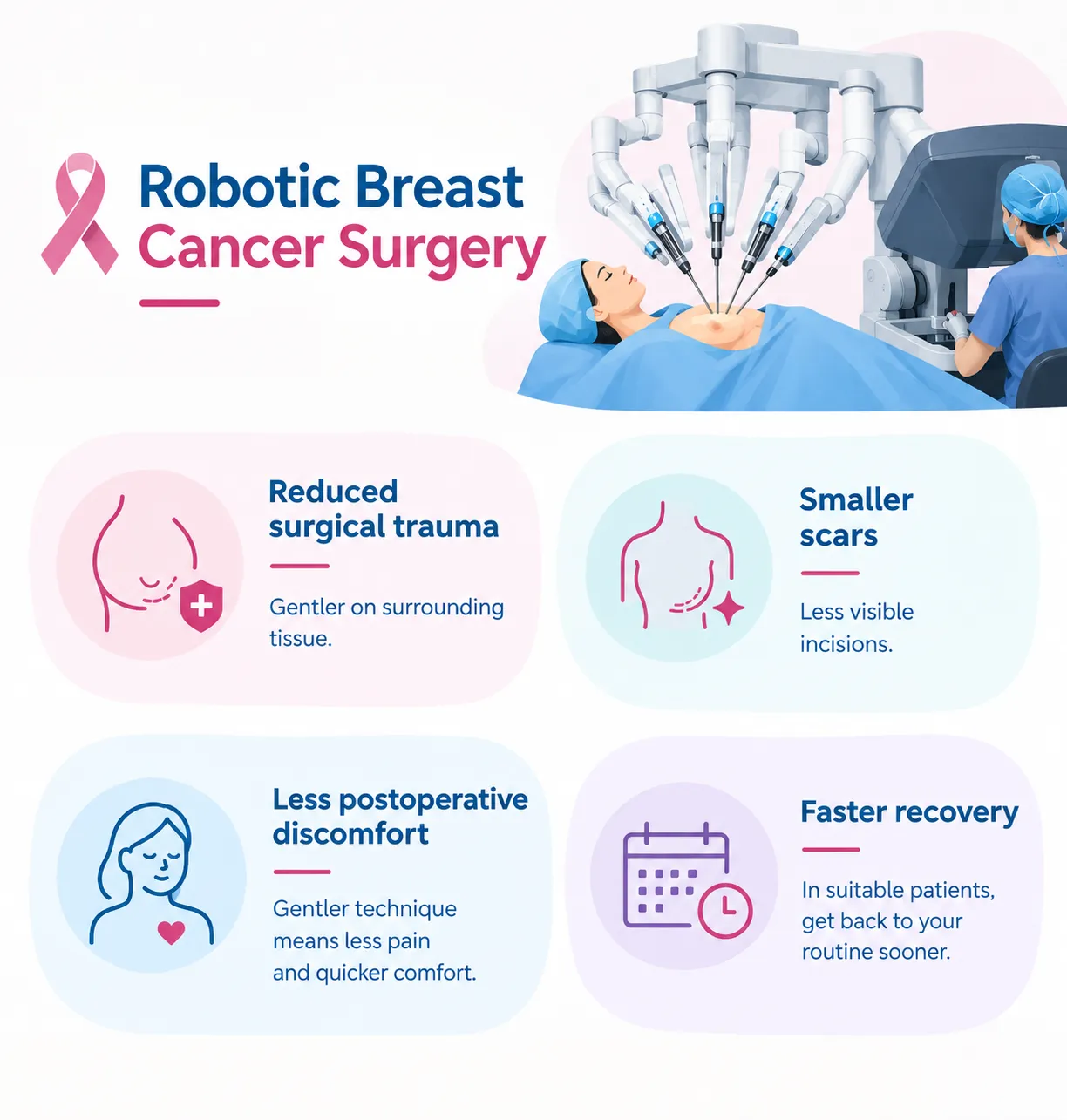
But robotic surgery isn’t automatically the better option for everyone. What actually works best depends on the type of breast cancer, surgical requirements, and a specialist’s read on the case.
Fact 3: Robotic Surgery Can Support Breast Reconstruction Procedures
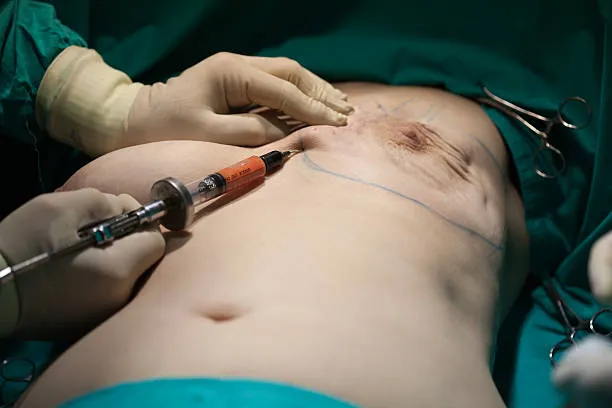
Breast cancer treatment often involves considerations beyond tumor removal. Reconstruction and aesthetic outcomes can be important parts of the recovery journey.
Robotic-assisted approaches may support selected reconstructive procedures by allowing precise tissue handling and minimally invasive access.
Reconstruction options depend on:
- Type of breast surgery required
- Patient preferences
- Available tissue options
- Overall health condition
The goal is to restore appearance while maintaining safe cancer treatment principles.
Fact 4: Robotic Breast Cancer Surgery Requires Specialized Expertise
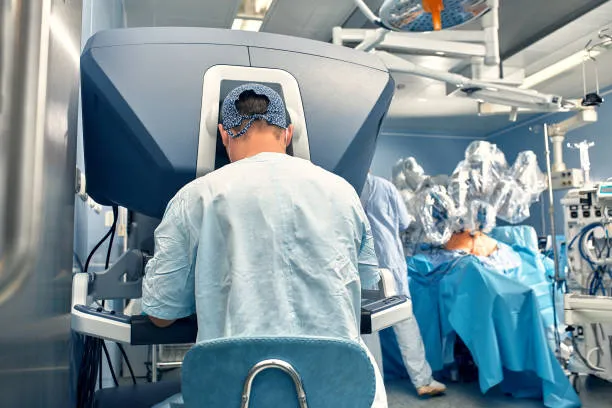
Robotic surgery requires specialized training, experience, and a thorough understanding of breast cancer surgery principles.
A skilled surgeon must consider:
- Correct patient selection
- Tumour characteristics
- Surgical planning
- Cancer safety
- Functional and cosmetic outcomes
The technology serves as an advanced surgical tool, while the surgeon’s experience guides decision-making throughout the procedure.
Fact 5: Not Every Breast Cancer Patient Requires Robotic Surgery
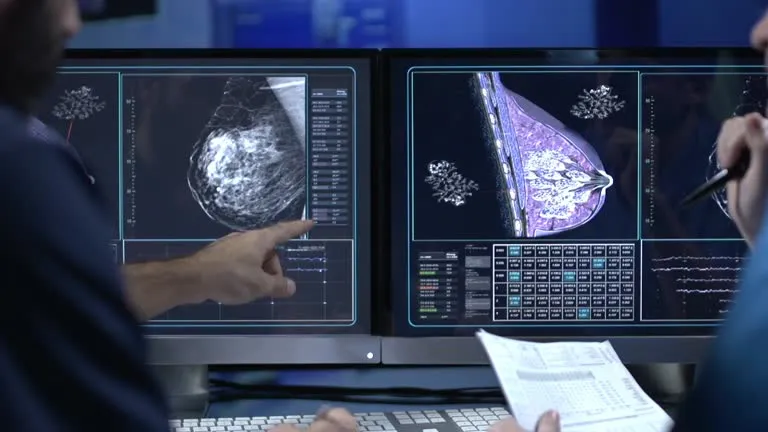
Breast cancer treatment varies from person to person. Some patients may benefit from robotic techniques, while others may achieve excellent outcomes with conventional surgical approaches.
Factors influencing the choice include:
- Tumor size and location
- Stage of breast cancer
- Type of surgery required
- Patient preferences
- Overall health
At MACS Clinic, the priority is always choosing the safest and most effective approach for cancer treatment in Bangalore for each individual.
How Is Robotic Breast Cancer Surgery Different From Traditional Surgery?
| Feature | Robotic Breast Cancer Surgery | Traditional Breast Surgery |
| Surgical Approach | Uses robotic instruments controlled by the surgeon | Uses conventional surgical instruments |
| Visualisation | Enhanced 3D magnified view | Direct or standard visualization |
| Incisions | Smaller incisions in selected procedures | May require larger incisions depending on surgery |
| Precision | Greater instrument flexibility | Relies on standard surgical movement |
| Suitability | Selected patients based on clinical factors | Widely used for various breast cancer procedures |
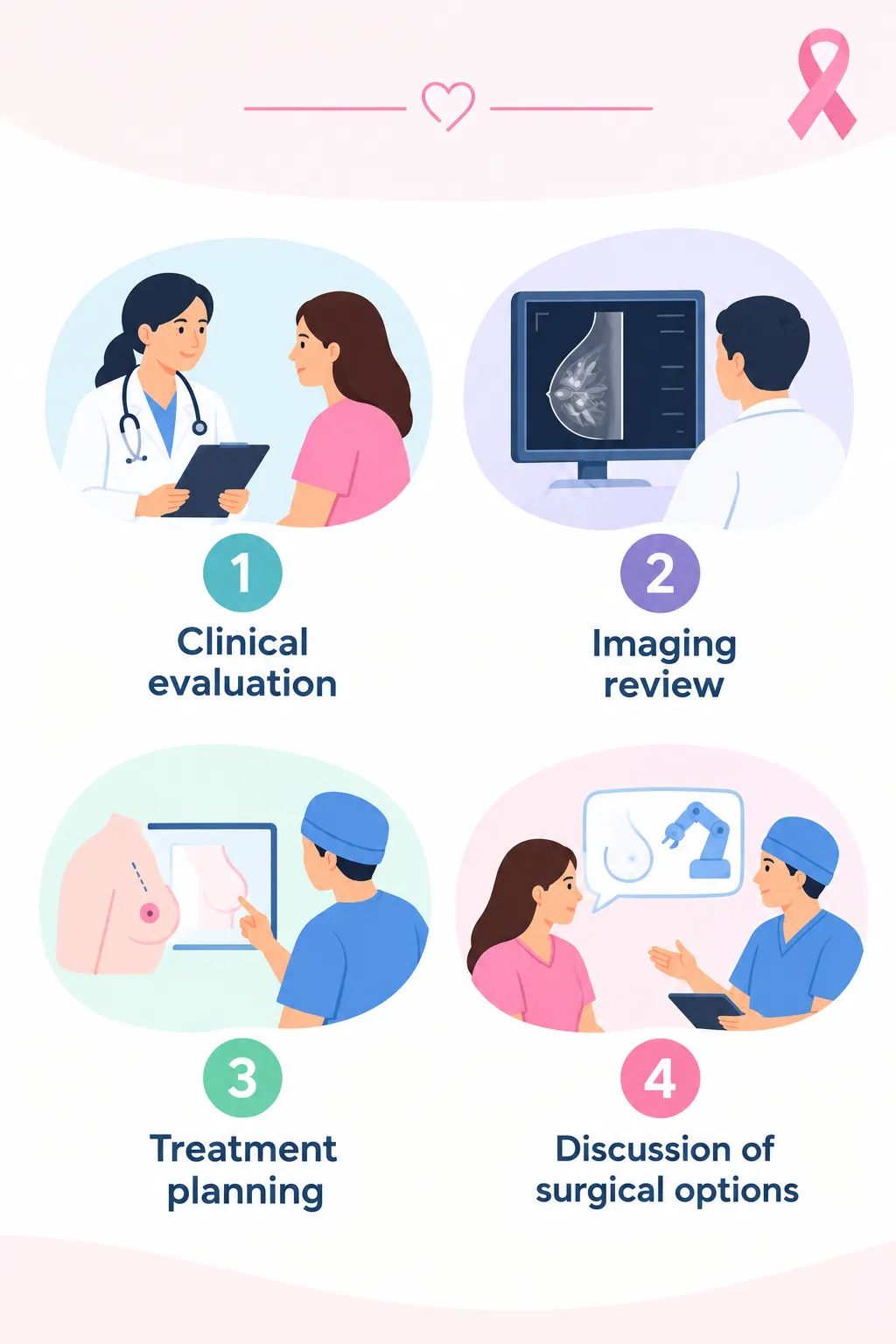
What to Expect During Robotic Breast Cancer Surgery
Before Surgery
Patients undergo:
During Surgery
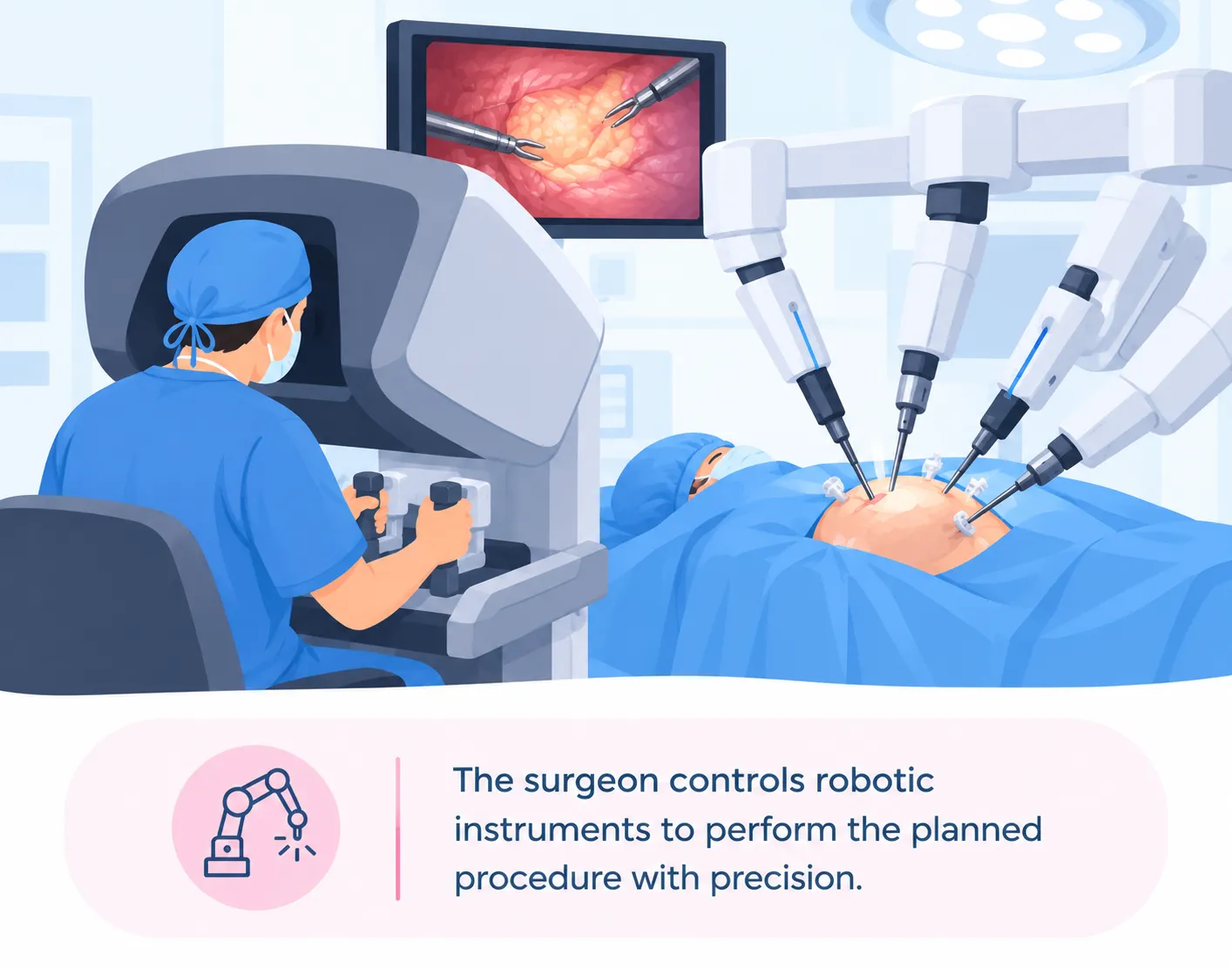
After Surgery
Recovery may include:

Conclusion
Robotic breast cancer surgery represents an advancement in surgical technology that may offer benefits for selected patients. However, the success of breast cancer surgery relies on accurate diagnosis, appropriate treatment planning, and selection of the right surgical approach for each patient.
Breast cancer surgery continues to evolve with new technological developments, but the fundamentals of cancer surgery remain focused on safety, precision, and long-term outcomes.
Dr. Sandeep Nayak and his skilled team provide comprehensive breast cancer care using modern techniques and evidence-based practices. Patients requiring breast cancer treatment in Bangalore can benefit from a personalized evaluation and treatment plan based on their condition.
FAQs
1. What is robotic breast cancer surgery?
2. Is robotic surgery better than traditional breast cancer surgery?
3. Who is suitable for robotic breast cancer surgery?
4. Does robotic breast cancer surgery remove the cancer completely?
5. Does robotic surgery leave smaller scars?
References:
https://www.cancer.gov/about-cancer/treatment/types/surgery/robotic-surgery
https://pmc.ncbi.nlm.nih.gov/articles/PMC12354885/
Disclaimer: The information shared in this content is for educational purposes and not for promotional use.