
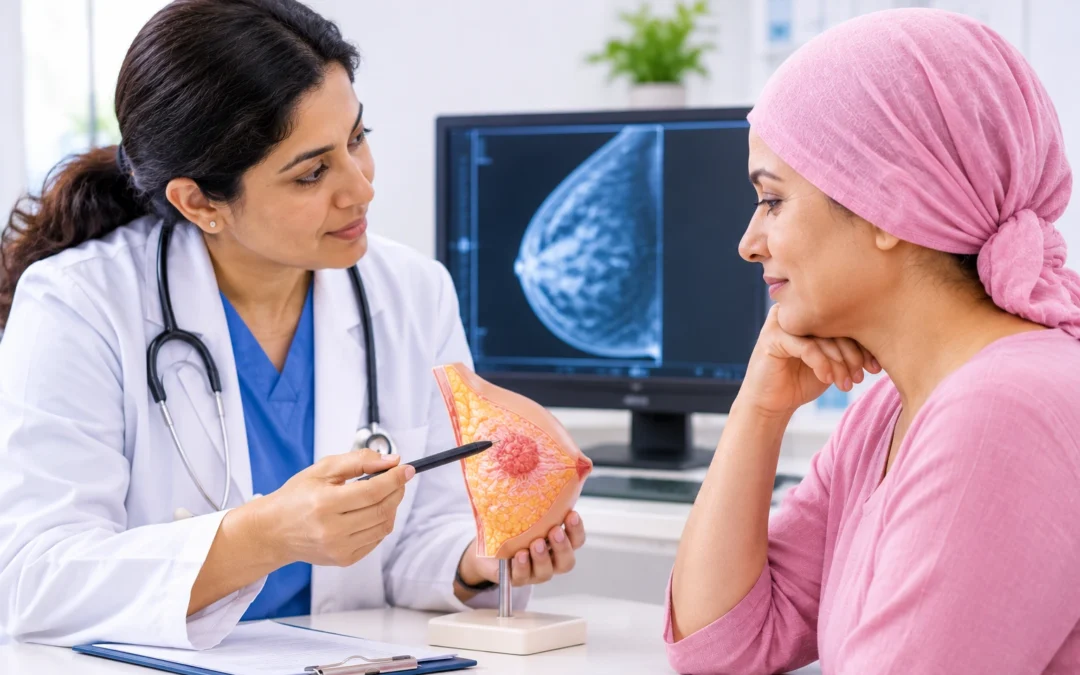
Yes, and for many patients it is the planned order of treatment. When chemotherapy is given before surgery it is called neoadjuvant chemotherapy, and the operation follows once the course is finished and the body has recovered. So why would anyone choose to start with drugs when the tumour could simply be removed? Because treating first can shrink the tumour, sometimes enough to allow a smaller operation, and how the cancer responds tells the doctors a great deal about what to do next.
Dr. Sandeep Nayak, who provides the Best Cancer Treatment in Bangalore, finds that patients worry about the delay more than anything else. “People ask whether starting with chemotherapy means the operation has been put off, or the cancer given more time. It is the other way round. For the right tumours, chemotherapy first is the active treatment, and the operation that follows is usually better planned and often smaller. The tumour has also told us how it behaves, which we could not learn if we had operated on day one.”
Learn when breast cancer surgery is performed after chemotherapy, how treatment response influences surgical options, and what patients can expect during surgery and recovery.
Why Is Breast Cancer Surgery Done After Chemotherapy?
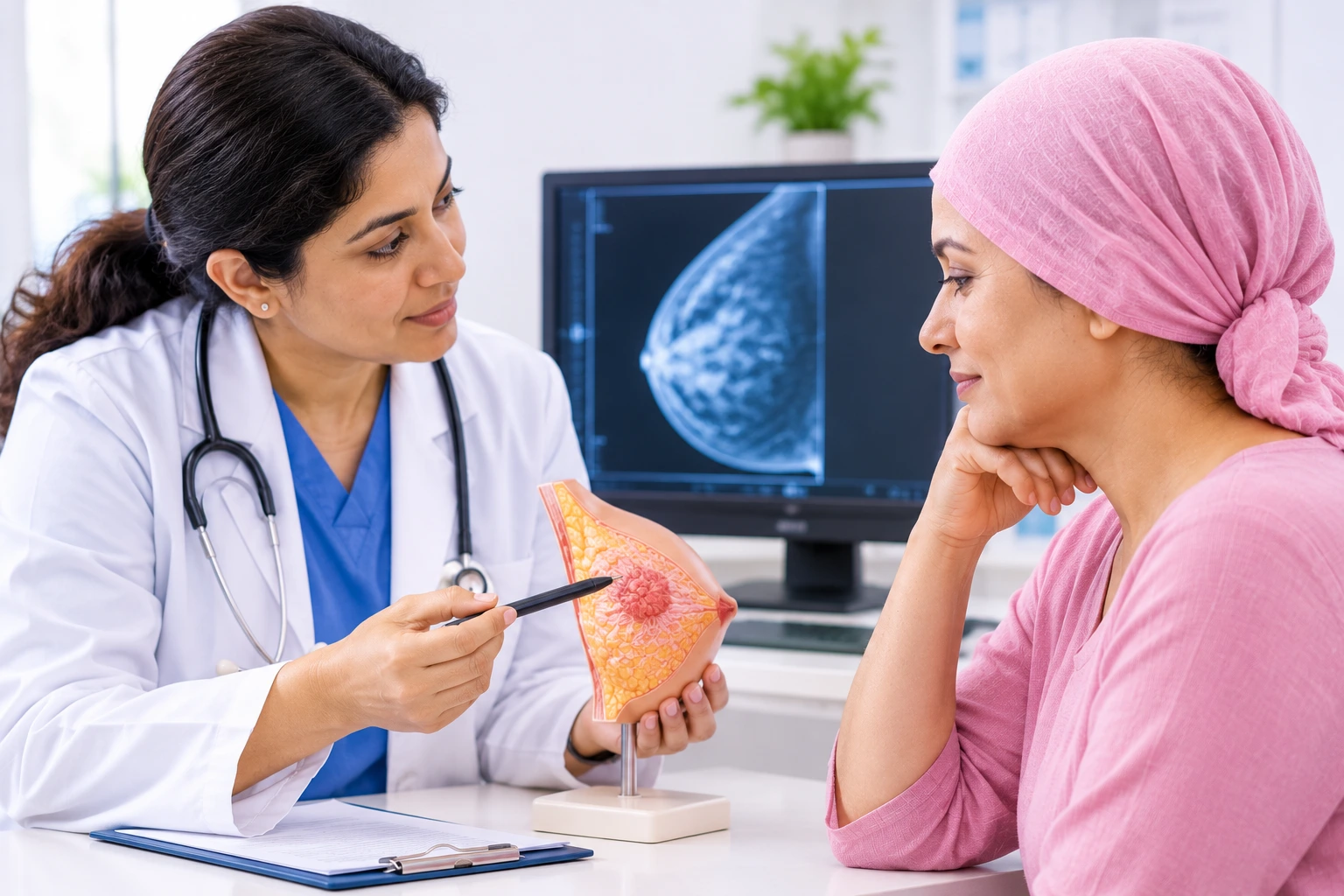
Breast cancer surgery after chemo is chosen for particular reasons, and each one matters in a different way.
- To shrink the tumour. A large tumour, or one close to the nipple or chest wall, can sometimes be reduced enough for a lumpectomy where a mastectomy would otherwise have been needed.
- To see how the cancer responds. The pathologist examines what was removed and reports whether any living tumour is left. A pathological complete response, meaning none, is linked with better outcomes in several breast cancer types.
- To guide what comes after the operation. If living cancer remains, further treatment can be added, which is an advantage that giving all the chemotherapy after surgery does not offer. The thinking is laid out in our post on adjuvant versus neoadjuvant chemotherapy.
- To buy time for decisions. Genetic testing, reconstruction planning and a second opinion can all happen while chemotherapy is under way, rather than in a rush before an operation.
- To treat unseen spread early. Chemotherapy works throughout the body, so any cells that have travelled are being treated from the start. Our post on whether chemotherapy comes before or after surgery explains how the order is decided.
How Soon After Chemotherapy Is Breast Surgery Done, and What Operation Is Possible?
Can breast cancer surgery be performed after chemotherapy without problems? In nearly all cases it can, and the details are worth knowing.
- The timing. Surgery usually takes place about three to six weeks after the last chemotherapy dose, once blood counts have recovered. Waiting much longer than that is not advised.
- The type of operation. If the tumour has shrunk enough, a lumpectomy may be possible, and if not, or if the patient prefers it, a mastectomy is done. Our post on lumpectomy versus mastectomy and the clinic’s page on breast cancer surgeries cover the options.
- Finding the right spot. A small marker clip is usually placed in the tumour before chemotherapy starts, so the surgeon can locate the exact site even if it has shrunk to almost nothing.
- The armpit nodes. Depending on how they responded, the surgeon may remove only a few nodes, such as the sentinel nodes or a clipped node, or all the nodes in the area if disease remains.
- What follows. Radiation is often still advised after surgery, and some patients continue with targeted or hormone treatment, as described in our post on surgical options for early stage breast cancer.
What Determines the Right Treatment Approach?
Not every breast cancer needs chemotherapy first, and the choice depends on a few things.
- The subtype. Triple negative and HER2 positive cancers are the ones most often treated before surgery, since they tend to respond well, while hormone receptor positive cancers are less likely to shrink much, as covered in our post on targeted therapy for ER positive breast cancer.
- Tumour size and lymph nodes. Larger tumours and those that have reached the armpit nodes are more likely to be treated first.
- The response during chemotherapy. Scans partway through show whether the plan is working or needs to change.
- The patient’s wishes about the breast. Wanting to keep the breast, or preferring a mastectomy, shapes the plan from the start.
- Genetic and other test results. Findings such as a BRCA change can alter the choice of operation.
- A joint review. At MACS Clinic the surgical, medical and radiation teams look at each case together before treatment begins.
Key Takeaway
- Breast cancer surgery can be, and often is, performed after chemotherapy. This is called neoadjuvant treatment.
- It can shrink the tumour, show how well the cancer responds, and guide any extra treatment after the operation.
- Surgery usually follows about three to six weeks after the last dose.
- Surgery is still needed even if scans suggest the tumour has gone, since only the removed tissue can confirm it.
- For questions about your own plan, you can contact the clinic at +91 9482202240.
Frequently Asked Questions
1.Do I still need surgery if the scans show the tumour has gone after chemotherapy?
Yes, in standard care. Scans cannot reliably show whether every cancer cell has been destroyed, and only the removed tissue can confirm it. Surgery also protects against the cancer returning in the breast.
2.Will chemotherapy first let me keep my breast?
Sometimes. If the tumour shrinks enough, a lumpectomy may become possible. It depends on the starting size, where the tumour sits and how it responds, and some patients still choose or need a mastectomy.
3.How long should I wait between my last chemotherapy and surgery?
Usually about three to six weeks, giving blood counts and the body time to recover. Your team will set the date, and delaying much beyond that is not advised.
4.Can reconstruction be planned when surgery comes after chemotherapy?
Yes. The months of chemotherapy give time to think through options, and reconstruction can be done at the same time as the mastectomy or later, depending on whether radiation is expected.
Disclaimer
This content is published for educational and informational purposes only.
References:
- Neoadjuvant Therapy, Wikipedia https://en.wikipedia.org/wiki/Neoadjuvant_therapy
- Pembrolizumab for Early Triple Negative Breast Cancer (KEYNOTE 522), New England Journal of Medicine https://www.nejm.org/doi/full/10.1056/NEJMoa1910549
- Adjuvant vs Neoadjuvant Chemo: What Is the Difference, MACS Clinic https://macsforcancer.com/blogs/adjuvant-vs-neoadjuvant-chemowhat-is-the-difference/