

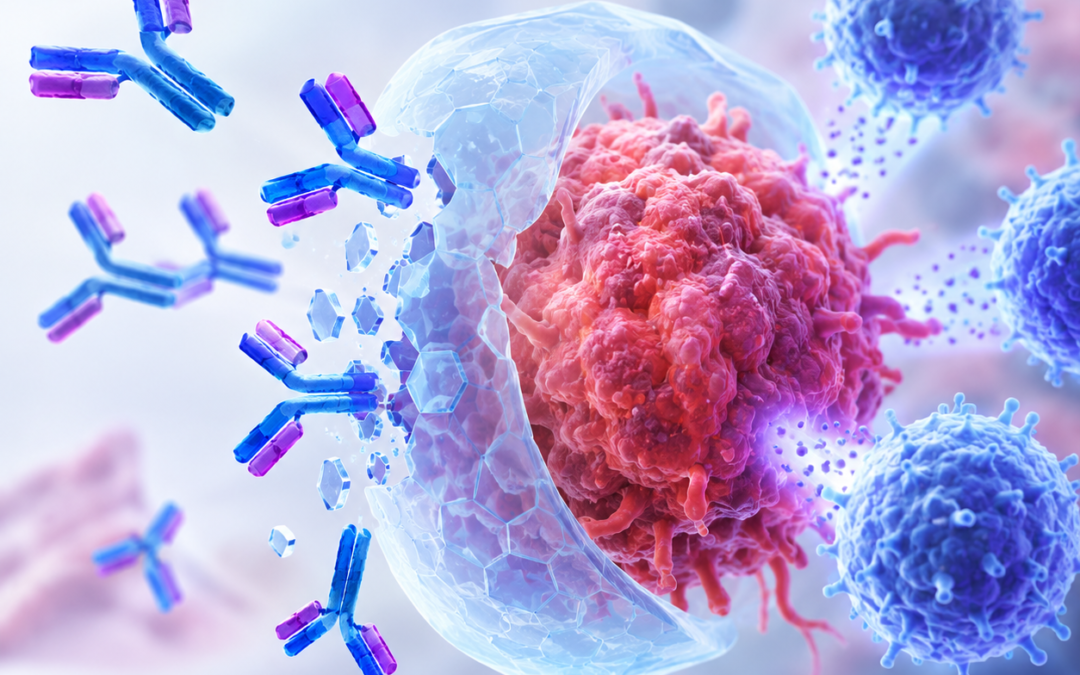
Yes and it is one of the most active areas in cancer research. A tumour is not just a lump of cancer cells. It builds a protective neighbourhood around itself, made of blood vessels, scar-like tissue and immune cells that have been talked into standing down. That shield keeps drugs out and keeps the immune system away. Treatments that break it down give the actual cancer treatment a better chance of getting through.
Dr. Sandeep Nayak, who provides Cancer Treatment in Bangalore, explains why it matters. “Two patients can get the same drug and respond very differently. Sometimes the drug is fine and the tumour has simply walled itself off. If we can open that wall, a treatment that was only partly working can do far more. Some of this is already in routine use. A lot of it is still being tested.”
Wondering why a treatment isn’t working as well as expected?
How Does a Tumour Build Its Protective Shield?
The tumour protective shield is not one thing. It is several tricks working together.
It hides from the immune system. Tumour immune evasion is the best known. Cancer cells display signals such as PD-L1 that tell immune cells to leave them alone.
It recruits helpers that suppress immunity. Certain cells in the surrounding tissue calm the immune response down instead of raising it.
It builds a dense barrier. Thick, scar-like tissue around the tumour can stop drugs from reaching the cancer cells inside.
It runs low on oxygen. Poorly formed blood vessels leave patches starved of oxygen, and those patches resist both radiation and some drugs.
What Does Blocking Tumour Defence Mechanisms Look Like in Practice?
What Determines the Right Treatment Approach?
Not every tumour is walled off in the same way, so the plan isn’t the same for everyone. A few things decide it:
- The type of cancer. Checkpoint immunotherapy is approved for some cancers and not others. The same shield-breaking idea can work well in one tumour and barely at all in another.
- What the tumour’s markers show. Tests such as PD-L1 level and MSI status give clues about whether a tumour is likely to respond. They help, but they aren’t perfect predictors, so they’re read alongside everything else.
- How the tumour’s surroundings look. Some tumours are full of immune cells that are simply being held back. Others are almost empty of them. The second kind often needs a combination approach rather than one drug.
- What’s been tried already. Chemotherapy or radiation can loosen the shield, so the order of treatments matters. Your earlier response shapes what comes next. Our immunotherapy page explains how it fits alongside other treatments.
- Your general health. Autoimmune conditions, steroid use and organ function all matter, because switching the immune system on can inflame healthy organs. Whether a trial suits you is part of this conversation too.
Key Takeaways
- Hemithyroidectomy removes one lobe, and total thyroidectomy removes the whole gland.
- Small, low risk papillary thyroid cancers often need only the lobe with the tumour. Larger tumours, spread beyond the thyroid or involved nodes usually need total thyroidectomy.
- Total thyroidectomy needs lifelong thyroid hormone tablets and allows radioactive iodine when it’s needed.
- The right operation depends on the individual case, so it’s worth discussing the options with a specialist.
To discuss your case, you can contact the clinic at +91 9482202240.
FAQs
Is blocking a tumour’s shield the same as immunotherapy?
Partly. Checkpoint immunotherapy is one way of doing it, but there are other approaches too.
Does this work for every cancer?
No. Some cancers respond well and others hardly at all. Testing helps predict which.
Are these treatments available now?
Some are, such as checkpoint inhibitors. Many newer ones are still in clinical trials.
Does breaking the shield have side effects?
It can. Switching the immune system on can inflame healthy organs, which is why monitoring matters.
Reference
Targeting the Tumour Stroma to Improve Cancer Therapy Explains how the tumour stroma, the supportive tissue surrounding cancer cells, can protect tumours and contribute to treatment resistance. It explores strategies to target this environment and potentially improve treatment outcomes. Link: https://www.nature.com/articles/s41571-018-0007-1
Cancer Immune Exclusion: Breaking the Barricade for a Successful Immunotherapy Discusses how the tumour microenvironment can prevent immune cells from reaching cancer cells and reviews approaches that may help overcome this barrier. Link: https://www.frontiersin.org/journals/oncology/articles/10.3389/fonc.2023.1135456/full
Disclaimer:
This content is published for educational and informational purposes only and is not a substitute for medical advice. Please consult your doctor before changing any treatment.