

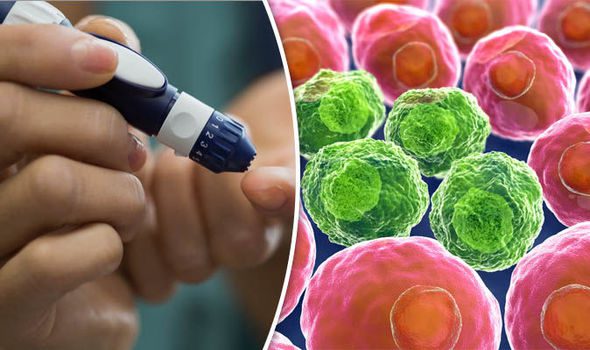
Type 2 diabetes raises overall cancer risk by approximately 10% with significantly higher increases for specific cancers including liver, pancreatic, colorectal, breast, endometrial, bladder, and kidney. Chronic hyperinsulinemia from insulin resistance acts as a growth signal for cancer cells while sustained high blood sugar damages DNA directly over years. Both diabetes and cancer share obesity, sedentary lifestyle, and chronic inflammation as common underlying drivers.
According to Dr. Sandeep Nayak, Best cancer treatment in Bangalore, “Diabetic patient for fifteen years gets diagnosed with colon cancer and asks why. His body produced excess insulin for a decade and a half to compensate for resistance. That insulin didn’t just manage glucose. It told cells to grow. Some of those cells eventually listened in the wrong way.”
Diabetes doesn’t just affect your sugar levels. It changes the environment your cells live in.
How Does Diabetes Raise Cancer Risk?
Connection runs through three overlapping pathways that diabetic patients carry simultaneously for years before any cancer appears.
- Hyperinsulinemia: Pancreas overproduces insulin to overcome resistance. Excess insulin activates insulin-like growth factor receptors on cells telling them to divide faster and resist programmed death. Same pathway that builds muscle during exercise builds tumors when the signal runs unchecked for years inside a diabetic body.
- High blood sugar: Glucose itself damages DNA through a process called glycation. Research shows high blood sugar creates specific DNA damage patterns that evade the body’s normal repair mechanisms and persist for years. Cells living in a high-sugar environment accumulate mutations faster than cells in normal glucose conditions.
- Chronic inflammation: Diabetes maintains elevated inflammatory markers including IL-6 and TNF-alpha constantly. Fat tissue in obese diabetics produces additional inflammatory cytokines. This dual source of inflammation damages DNA in the same sustained way that smoking or chronic infection does just through metabolic pathways instead.
- Shared risk factors: Obesity drives both diabetes and cancer independently. Sedentary lifestyle contributes to both. Poor diet contributes to both. Patient carrying all three risk factors simultaneously faces compound risk where each condition amplifies the others.
Your oncologist assesses diabetic history during cancer risk evaluation because metabolic health directly influences cancer development and treatment response.
Which Cancers Are Most Affected?
Not all cancers rise equally with diabetes. Some show dramatic risk increases while others show modest or even inverse relationships.
- Liver cancer: Strongest association. Diabetics carry roughly double the liver cancer risk because insulin resistance causes fatty liver which progresses to cirrhosis which leads to hepatocellular carcinoma. Most Indian diabetics don’t get liver screening because nobody connects their metformin prescription with liver cancer risk.
- Pancreatic cancer: Risk roughly doubles. Tricky relationship because pancreatic cancer itself causes diabetes making it hard to separate cause from effect. New diabetes after 50 without obesity or family history should trigger pancreatic imaging not just an endocrinology referral.
- Colorectal: 20-30% higher risk in diabetics. Insulin directly stimulates colon cell proliferation. Diabetics should start colonoscopy screening earlier and more frequently than general population guidelines suggest. The sugar control conversation and the cancer screening conversation should happen in the same room.
- Breast and endometrial: Hyperinsulinemia increases estrogen production from fat tissue. Diabetic women carry higher breast and endometrial cancer risk through the same hormonal pathway obesity uses. Metformin may actually offer some protective effect against these cancers which is one reason oncologists pay attention to which diabetes drug the patient is on.
Understanding how air pollution creates cancer risk through sustained invisible exposure explains why diabetes follows the same principle of years of metabolic damage building silently before cancer appears.
Why Choose MACS Clinic?
Dr. Sandeep Nayak’s team at MACS Clinic documents diabetic history including duration, medication type, and HbA1c levels for every cancer patient because metabolic status affects both cancer risk and treatment tolerance. Diabetic patients on chemo here get coordinated glucose management alongside oncology care.
Patient with diabetes diagnosed with cancer here gets treatment planning that accounts for their metabolic condition from day one. Because managing blood sugar during chemo while ignoring the insulin resistance that contributed to the cancer is treating the branches while the root stays untouched.
Call +91 8035740000 to book your consultation.
FAQs
Does diabetes directly cause cancer?
Not directly, but hyperinsulinemia, high blood sugar, and chronic inflammation significantly raise risk.
Which cancers are most linked to diabetes?
Liver, pancreatic, colorectal, breast, endometrial, bladder, and kidney cancers show strongest associations.
Does metformin reduce cancer risk?
Emerging evidence suggests metformin may have protective anticancer effects compared to other diabetes drugs.
Should diabetics get extra cancer screening?
Earlier and more frequent colonoscopy and liver screening are advisable for long-term diabetics.
References
- Diabetes and cancer risk — National Cancer Institute
- Diabetes mellitus and cancer — World Health Organization