

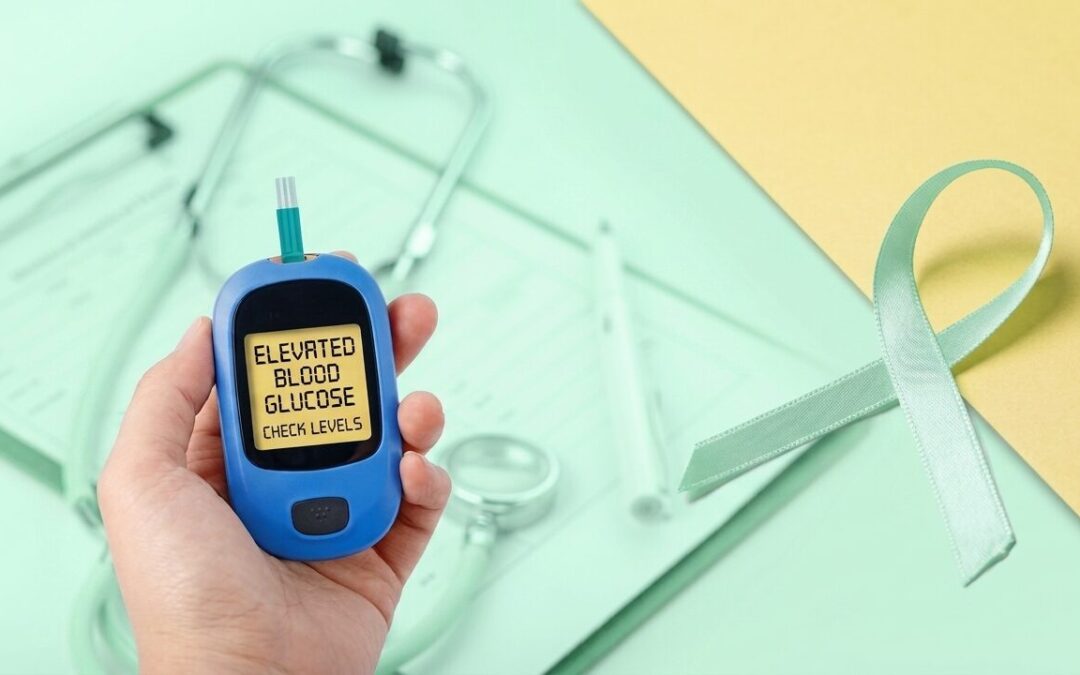
Yes. Diabetic patients go through cancer surgery every single day. The diagnosis of diabetes alone isn’t what creates surgical risk. What creates risk is walking into an operation with blood sugar that’s been running high for months and hasn’t been addressed. That’s a different situation entirely.When sugars are well managed going in, diabetic cancer patients do well. Wound healing holds up, infection rates stay comparable, recovery moves at a reasonable pace. The preparation is what changes, not the feasibility of the surgery itself.
Dr. Sandeep Nayak,who provides Best Cancer Treatment in Bangalore, says it directly: “Diabetes is a manageable surgical risk, not a reason to avoid operating. What I look at is the HbA1c coming in and whether we have time to bring it to a better place before surgery. A diabetic patient who’s been properly prepared is a very different case from someone whose sugars have been poorly controlled for months. The preparation is what makes or breaks the outcome, not the diabetes itself.”
Diabetic and facing cancer surgery?Dont Worry.
Why Does Diabetes Actually Affect Surgical Risk?
Nothing mysterious here. High blood sugar disrupts two things the body needs most after surgery: healing and defence.
Wound Healing Slows Down: The cells responsible for closing wounds and rebuilding tissue don’t work properly in a high glucose environment. Collagen synthesis takes a hit. Incisions take longer to close and are more prone to breaking open in the weeks after surgery. That’s not a minor inconvenience it delays everything that comes next, including chemotherapy or radiation if those are part of the plan.
Infection Risk Goes Up: Bacteria do well in high sugar environments. The immune cells that would normally clear an infection don’t. Put those two things together in a post-surgical patient and the risk of wound infections, chest infections, and catheter-related infections rises noticeably. This is the complication that causes the most trouble in poorly controlled diabetic patients after surgery.
The Heart Needs More Attention: A lot of long-term diabetic patients have cardiovascular changes that don’t always announce themselves clearly. Autonomic neuropathy, silent ischaemia, blood pressure instability under anaesthesia. The anaesthetic team manages this but it requires more active monitoring than a non-diabetic patient needs.
Kidneys May Limit Options: Diabetic nephropathy affects how medications are cleared and how much flexibility exists with fluids and dosing post-operatively. Not a barrier to surgery but something the team accounts for in planning.
Recovery Takes Longer When Sugars Are Poor: Fatigue, slow tissue repair, appetite problems. All of these extend the time before a patient can begin whatever treatment follows surgery. Our blog on can cancer return after complete remission covers why delays in completing the full treatment course matter for long-term outcomes.
How Is Diabetes Managed Around Surgery?
It starts weeks before the operation, not on the morning of it.
Getting Sugars Under Control First: The target is HbA1c below 8% before elective surgery, ideally closer to 7.5% where time allows. If someone’s coming in well above that, the team works with an endocrinologist to bring it down before scheduling the date. Urgent cases don’t have that luxury so intensive glucose management starts immediately and surgery proceeds with closer monitoring.
Stopping Certain Medications: Metformin stops 24 to 48 hours before major surgery. SGLT2 inhibitors like dapagliflozin stop several days earlier because of the risk of ketoacidosis even when glucose looks normal. Insulin doses get adjusted based on how long the patient will be fasting. This isn’t optional and the specific adjustments depend on what the patient is taking and what surgery they’re having.
Glucose During the Operation: Blood sugar is checked regularly during surgery. The target range is roughly 140 to 180 mg/dL throughout the procedure. Going tighter risks hypoglycaemia under anaesthesia which is harder to detect and more dangerous than mild elevation during the operation itself.
After Surgery: The body’s stress response to surgery pushes glucose up. In diabetic patients that rise is bigger and lasts longer. Insulin requirements often increase significantly in the first few days post-operatively and need active management alongside everything else happening in recovery. Diet counselling at MACS Clinic helps diabetic patients navigate nutrition during recovery without sending sugars in the wrong direction.
Why Choose MACS Clinic for Cancer Surgery in Diabetic Patients?
Dr. Sandeep Nayak’s team at MACS Clinic brings surgical oncology, anaesthesiology, and endocrinology into the same pre-operative conversation rather than managing diabetes as a separate problem that someone else handles. The glucose protocol runs from the weeks before surgery through the recovery period as part of one integrated plan.
Robotic and minimally invasive surgery at MACS Clinic reduces operative time and blood loss compared to open surgery. For diabetic patients specifically, less surgical trauma means a smaller stress response and less glucose dysregulation to manage afterward. Those who want to understand what preparation looks like for their specific situation can reach the team at +91 9482202240.
FAQs
Can ayurvedic herbs interfere with chemotherapy drugs?
Some absolutely can. The mechanism is usually the liver — certain herbs disrupt the enzymes that break down chemotherapy drugs, which changes how much of the drug the body actually gets. Too little and the treatment underperforms. Too much and toxicity becomes a real problem.
Is turmeric safe during chemotherapy?
In food, generally yes. The curcumin you get from cooking with turmeric is a very different thing from taking high-dose curcumin capsules daily. The supplement form at therapeutic doses is what creates interaction risk and that needs a conversation with the oncologist before continuing.
Should I tell my oncologist what ayurvedic supplements I'm taking?
Without question. A lot of people don’t because they assume herbal means harmless and doesn’t count as medication. Some of the more serious herb-drug interactions in cancer treatment come from things patients didn’t think were worth mentioning.
Will my recovery be slower because of diabetes?
With poor sugar control, yes. With good management through the recovery period, the difference narrows considerably. Keeping on top of glucose after surgery matters as much as the preparation before it.
Disclaimer: This content is published for educational and informational purposes only.