

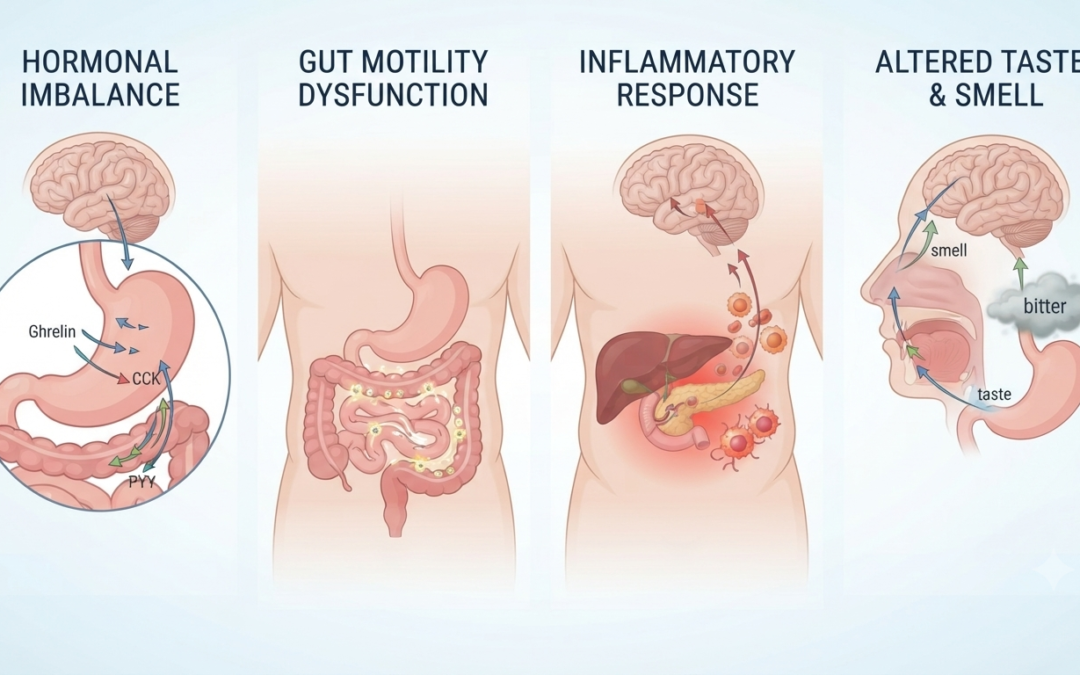
Because the body is under a lot of strain, and hunger is one of the first things to get switched down. Major surgery causes tissue damage, inflammation and a surge of stress hormones. Add pain, anaesthesia, medicines, changes to the gut and plain worry, and it is no surprise that food stops appealing. For most people the appetite comes back gradually over days to weeks. It is rarely a straight line, though.
Dr. Sandeep Nayak, Surgical Oncologist at MACS Clinic, Bangalore, says families often panic when someone barely touches a meal. “A poor appetite in the first week or two is expected, especially after abdominal surgery. What we watch is the direction. If it is slowly improving, fine. If weight keeps dropping or the person can’t keep anything down, we want to hear about it. Eating enough protein matters because it helps wounds heal.”
Understand why appetite changes after major cancer surgery, what to expect during recovery, and how to support your nutrition and healing.
What Causes Loss of Appetite After Cancer Surgery?

Loss of appetite after cancer surgery usually has several causes working together.
- Surgical stress and inflammation. The body releases chemicals that dampen hunger while it repairs itself.
- Pain and medicines. Pain kills appetite, and opioids can cause nausea and constipation.
- Slow gut movement. After abdominal surgery the bowel can be sluggish for days, so you feel full or bloated.
- Anatomical changes. Operations on the stomach, bowel, pancreas or food pipe change how much you can eat and how food is absorbed. Our blog on partial vs total gastrectomy covers one example.
- Taste and smell changes. Anaesthesia, drugs and earlier chemotherapy can make favourite foods taste off.
- Low mood and worry. Anxiety about the diagnosis and recovery affects hunger more than people expect.
What Helps With Poor Appetite After Major Surgery?

Poor appetite after major surgery is easier to manage with small, practical changes.
- Eat little and often. Five or six small meals suit a tired stomach better than three large ones.
- Put protein first. Eggs, dal, curd, paneer, fish, chicken or a supplement drink help healing even in small amounts.
- Make food appealing. Cold or room-temperature foods smell less strongly, and a change of flavour can help.
- Sip fluids between meals. Drinking a lot with meals fills you up quickly.
- Move a little. Short walks often bring hunger back. Our blog on what recovery is like after robotic cancer surgery covers early movement.
- Treat pain and nausea. Tell the team if either is spoiling meals, because both can usually be eased.
What Determines the Right Treatment Approach for Appetite Problems After Surgery?
The team looks at a few things together.
- The type of operation. Gut surgery changes eating more than most.
- How long it has lasted. A few days is expected, and weeks need a closer look.
- Weight loss and strength. Falling weight or weakness calls for action.
- Other treatments. Chemotherapy or radiation can add to it. Diet counselling can help plan meals around this.
- Underlying problems. Infection, constipation, low mood or medicines may need treating.
- Your preferences and culture. Food advice has to suit what you will actually eat.
Key Takeaways
- Appetite changes after cancer surgery are common and usually temporary.
- Stress, pain, medicines, gut changes and worry all contribute.
- Small frequent meals with protein first help recovery.
- Treating pain and nausea often improves eating.
- Call the team if weight keeps falling or you cannot keep food down.
- Questions about your own situation? The clinic’s number is +91 9482202240.
Frequently Asked Questions
1.How long does poor appetite last after surgery?
Often a week or two, longer after major gut surgery.
2.Should I force myself to eat?
Gently encourage small amounts, but don’t force large meals.
3.Are supplement drinks useful?
Often, when meals fall short. Ask your team or dietitian which one.
4.When should I worry?
Persistent vomiting, rapid weight loss, severe weakness or no improvement.
Disclaimer
This content is published for educational and informational purposes only.
References:
- National Cancer Institute, Eating Hints for Cancer Patients
- American Cancer Society, Nutrition for People with Cancer
- Cancer Research UK, Eating Problems After Cancer Surgery