
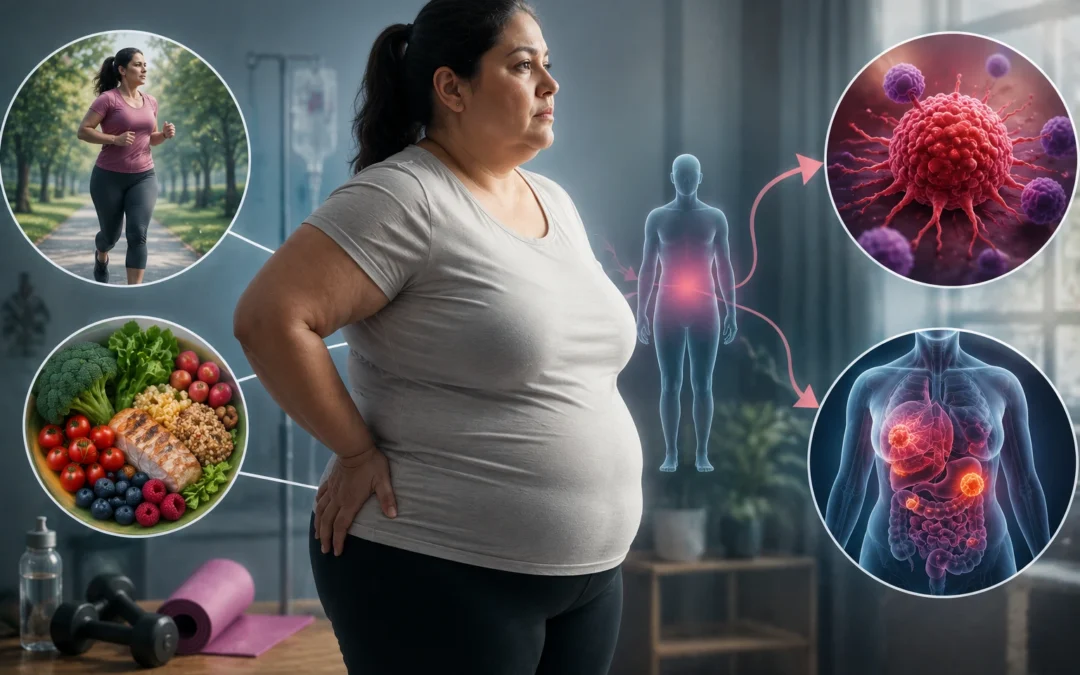
Yes, and this one has more evidence behind it than most people expect. Obesity raises the odds of a new cancer developing after treatment, and for a lot of cancer types, it raises the odds of the original one coming back too. It’s not a minor lifestyle footnote tacked onto survivorship advice, it’s one of the more modifiable risk factors a survivor actually has some control over.
Dr. Sandeep Nayak, known for the Best Cancer Treatment in Bangalore, brings this up in survivorship conversations more than patients expect going in. “People finish treatment and understandably just want to move on, not think about risk anymore. But weight is one of the few things we can actually do something about after everything else, the surgery, the chemo, is done. It’s not about blame, it’s about what’s actually within reach at that point.”
Curious how this applies to your own recovery plan?
Why Excess Weight Keeps Working Against Survivors?
The biology behind this doesn’t stop mattering just because active treatment ended:
- Excess body fat keeps producing elevated estrogen, which continues to matter for hormone-sensitive cancers like breast and endometrial cancer well into survivorship
- Chronic inflammation and elevated insulin, both common with obesity, create conditions that can support cancer cell growth long after the original tumor is gone
- At least 13 cancer types have been linked to obesity, and survivors of one obesity-linked cancer face elevated risk for developing another
- Even modest weight loss, in the 5 to 10 percent range, has been shown to measurably improve some of these underlying risk markers
None of this means weight is the only factor, plenty of survivors at a healthy weight still see recurrence, and plenty of heavier survivors never do. It’s a risk factor, not a guarantee either way.
What Survivors Can Actually Do About It?
The honest answer here is less dramatic than people expect, and that’s mostly good news:
- Regular physical activity lowers cancer-related growth hormone levels and reduces the inflammation obesity tends to drive
- A gradual, sustainable weight reduction plan matters more than a fast one, since crash approaches rarely hold up long term
- Working with a care team on this, rather than figuring it out alone, tends to produce better follow-through
- Metabolic markers can be tracked over time to confirm whether changes are actually moving the needle, not just assumed to be working
This is exactly the kind of thing that fits into a broader cancer prevention plan rather than sitting off to the side as generic wellness advice.
Why Choose MACS Clinic for Survivorship Care?
Dr. Sandeep Nayak’s team treats weight and metabolic risk as part of ongoing cancer care, not something patients are left to manage alone once treatment ends. That means realistic, monitored plans built around a survivor’s actual cancer history, not a generic diet handout.Want help building a survivorship plan that actually accounts for your risk? Reach the team at +91 9482202240.
FAQs
How much weight loss actually makes a difference?
Even 5 to 10 percent of body weight has been linked to measurable improvement in the biological markers tied to cancer risk. It doesn’t need to be dramatic to matter.
Does this apply to all cancer survivors, or just certain types?
It’s strongest for hormone-sensitive and obesity-linked cancers like breast, endometrial, and colon cancer, but the general risk mechanisms apply more broadly than people assume.
Is exercise or diet more important here?
Both matter, and they work through somewhat different mechanisms. Neither one alone replaces the other.
Should I start a weight loss plan on my own after treatment?
It’s worth discussing with your care team first, especially given how recent treatment, ongoing follow-up, or other health factors might shape what’s actually safe and sustainable.
References
- National Cancer Institute (NCI) — Obesity and Cancer Fact Sheet
Covers obesity among cancer survivors, including recurrence, prognosis, survival, and risk of second primary cancers. NCI: Obesity and Cancer - American Cancer Society — Excess Body Weight and Cancer Risk
Explains how excess body weight can influence cancer development, recurrence, and survival. ACS: Excess Body Weight and Cancer Risk
Disclaimer:This content is published for educational and informational purposes only.