

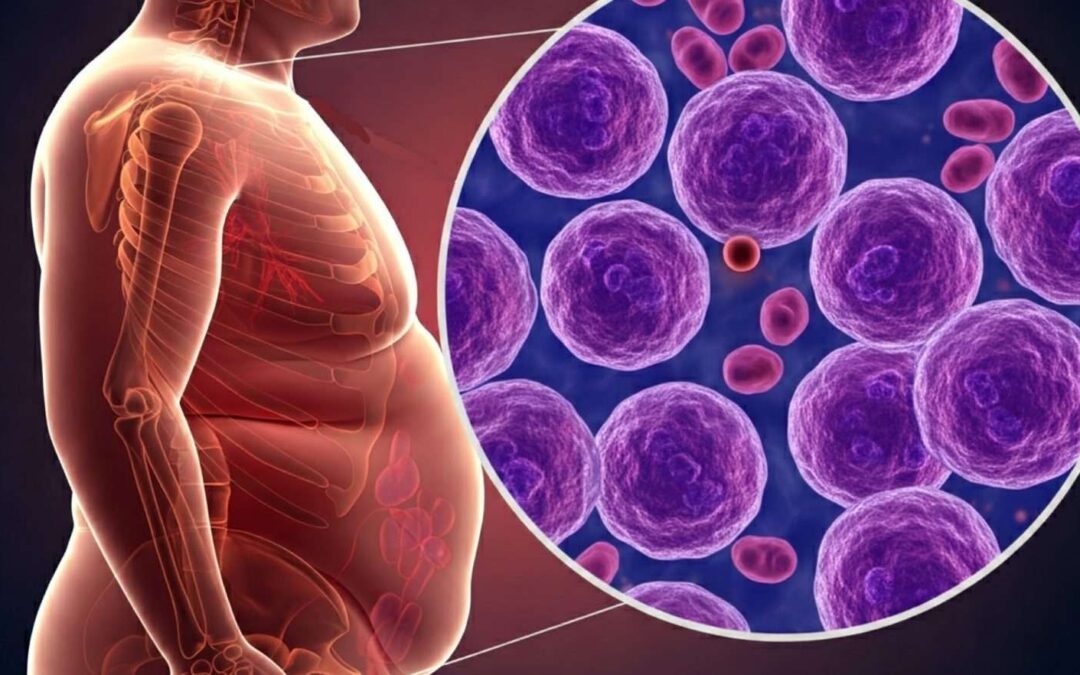
Obesity significantly increases risk for at least 13 cancer types including breast, colon, endometrial, kidney, pancreatic, liver, and esophageal cancers. Excess body fat produces elevated estrogen, chronically high insulin, and sustained inflammation that together create a biological environment where cancer cells develop and grow more easily. Endometrial cancer risk alone is seven times higher in severely obese women. These 13 obesity-linked cancers account for 40% of all cancers diagnosed annually.
According to Dr. Sandeep Nayak, Best cancer treatment in Bangalore, “Patient asks what caused her endometrial cancer. I mention her weight. She’s offended. Nobody told her that 30 kg of excess body fat produces estrogen levels high enough to stimulate her uterine lining into malignancy. She thought obesity caused diabetes and heart disease. Cancer wasn’t on her list.”
Obesity isn’t just a weight problem. It’s a cancer risk factor most people don’t know about.
How Does Excess Fat Cause Cancer?
Fat tissue isn’t inactive storage. It’s a hormone-producing organ that when enlarged sends signals throughout the body creating conditions where cancer develops more easily.
- Excess estrogen: Fat cells produce estrogen continuously. More fat means more estrogen. Postmenopausal women with obesity have estrogen levels comparable to premenopausal women which directly stimulates breast and endometrial tissue growth beyond what’s normal. That overstimulation over years is what leads to malignancy.
- Insulin stays high: Obesity causes insulin resistance which forces the pancreas to produce more insulin to compensate. Chronically elevated insulin acts as a growth factor for cancer cells especially in colon, kidney, and endometrial tissue. The same insulin resistance that causes diabetes creates the cancer risk alongside it.
- Chronic inflammation: Fat tissue releases inflammatory cytokines including TNF-alpha and IL-6 constantly. This sustained low-grade inflammation damages DNA over years accumulating the mutations that eventually trigger uncontrolled cell growth. Essentially the body stays in a permanent state of tissue irritation that cancer exploits.
- Adipokines: Fat cells produce hormones called adipokines that directly influence cell survival and proliferation. Leptin levels rise with obesity promoting cancer cell growth. Adiponectin which normally suppresses tumor growth drops as fat increases. The hormonal balance shifts toward conditions favouring cancer.
Your oncologist discusses weight as a modifiable cancer risk during cancer prevention counseling alongside tobacco and alcohol assessment.
What Can You Actually Do?
Weight loss doesn’t need to be dramatic to reduce cancer risk. Small sustained changes produce measurable benefits that compound over years.
- 5-10% reduction matters: Losing 5-10% of body weight significantly lowers insulin, estrogen, and inflammatory markers. For an 80 kg person that’s 4-8 kg. Published data shows even this modest reduction lowers breast and endometrial cancer risk measurably. Nobody needs to become thin to become safer.
- Move 150 minutes weekly: Walking, cycling, swimming at moderate intensity. Exercise reduces cancer risk independently of weight loss by lowering insulin, improving immune function, and reducing inflammation. The 30-minute walk after dinner that your doctor keeps recommending isn’t generic advice. It’s cancer prevention.
- Indian diet adjustment: Reduce refined carbs, sugary chai, fried snacks, second helpings of white rice. Traditional Indian diet with dal, sabzi, roti, and seasonal fruit is excellent when portion sizes stay reasonable. The problem isn’t the food. It’s the quantity and the Swiggy orders replacing home cooking three nights a week.
- Don’t wait for diagnosis: Cancer screening catches disease after it starts. Weight management prevents the conditions that let cancer start in the first place. Both matter but one happens before the cancer exists and the other happens after.
Understanding how tobacco builds risk cumulatively over years explains why obesity follows the same pattern of damage accumulating silently until the body’s defences can’t compensate anymore.
Why Choose MACS Clinic?
Dr. Sandeep Nayak’s team at MACS Clinic includes a dietitian who addresses weight management as cancer prevention not just treatment support. BMI and waist circumference are documented at every consultation because tracking the number is the first step toward changing it.
Patient diagnosed with an obesity-linked cancer here gets an honest conversation about how their weight contributed alongside the treatment plan addressing the tumor. Because treating the cancer without addressing the metabolic environment that created it is leaving the door open for recurrence.
Call +91 8035740000 to book your consultation.
FAQs
How many cancers are linked to obesity?
At least 13 cancer types accounting for 40% of all cancers diagnosed annually.
Does losing weight reduce cancer risk?
Even 5-10% weight loss significantly lowers insulin, estrogen, and inflammation markers.
Why does obesity cause cancer?
Excess fat produces estrogen, raises insulin, and creates chronic inflammation promoting cancer growth.
Which cancer has the highest obesity-related risk?
Endometrial cancer risk is seven times higher in women with severe obesity.
References
- Obesity and cancer fact sheet — National Cancer Institute
- Obesity and cancer risk — World Health Organization