

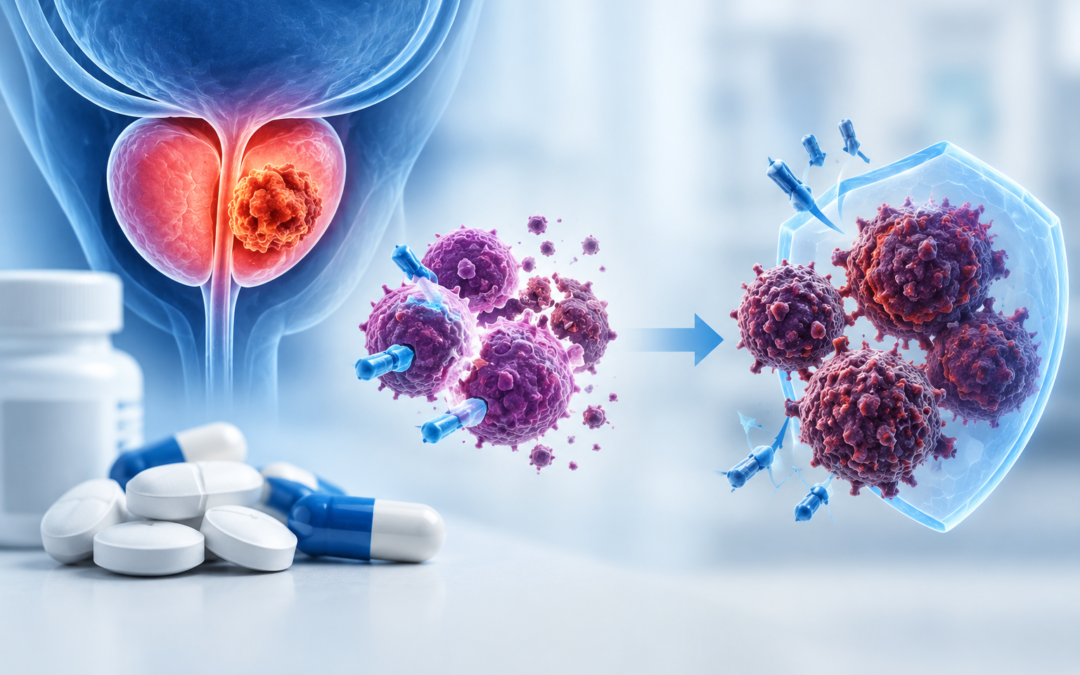
Yes, it can. Prostate cancer isn’t a fixed target. Under the pressure of hormone drugs, some tumor cells change how they grow and what they depend on, and a treatment that worked for a year or two starts losing its grip. One form of this is called lineage plasticity, where the cells shift identity altogether. It’s among the harder problems in advanced prostate cancer.
Most patients meet this after a long stretch of hormone therapy. PSA drops, scans look quieter, life gets easier. Then the PSA creeps up again. That’s usually the first sign of prostate cancer resistance, and MACS clinic provides the Best Cancer Treatment in Bangalore,, , we treat it as a point to re-plan rather than panic. In Dr. Sandeep Nayak’s words, “When the PSA starts rising on treatment, the first thing I want to know is what the tumor is doing now. Same cancer, different behaviour. So we look again, with scans and sometimes a fresh biopsy, and then pick the next step.”
PSA going up despite treatment?
How Prostate Cancer Resistance Builds Up?
- Hormone therapy starves the cancer of androgens. Some cells respond by making more androgen receptors, or small amounts of androgen themselves, and keep growing on very little fuel. Doctors call this castration-resistant disease.
- The receptor itself can mutate. A few of these changes make drugs like enzalutamide or abiraterone work less well the longer they’re used.
- Then there’s the neuroendocrine shift. A minority of tumors stop depending on the androgen receptor at all, often after losing genes like RB1 and TP53. Hormone drugs have very little left to act on there.
- Most of this is gradual. A climbing PSA or a new spot on a scan usually gives it away, though neuroendocrine-type tumors can grow without much PSA change. Regular follow-up, like the monitoring built into our prostate cancer treatment in Bangalore plans, is how it gets caught early.
What Happens Next When Resistance Appears?
Why Choose MACS Clinic When Prostate Cancer Stops Responding?
At MACS Clinic, a change in PSA or scans leads to a proper reassessment rather than the same prescription renewed. The team includes surgical, medical and radiation oncologists, along with genetic counselling and precision oncology support, so the next step is discussed with everyone who might be involved. For patients whose cancer has recurred or stopped responding, the clinic also offers an Expert Opinion consultation, where at least two specialists review the case and lay out the treatment options in a written report.
Not sure what your latest PSA or scan means? Call the team on +91 9482202240.
FAQs
Can prostate cancer stop responding to hormone therapy?
Yes. Most advanced cases respond well at first. After a while, some cells adapt and begin growing again. The timeline varies a lot, from months to several years.
How do doctors confirm resistance?
They look for a rising PSA despite very low testosterone, new or growing spots on imaging, or new symptoms like bone pain. One reading isn’t enough, so they usually watch the trend.
What is neuroendocrine transformation?
Some tumor cells stop looking like ordinary prostate-gland cells and stop relying on the androgen receptor. It happens in a minority of resistant cases and usually needs a biopsy to confirm.
Does resistance mean treatment is over?
No. It means the plan needs to change, using fresh scans and genetic testing as a guide. Many patients still have several options.
Reference
- Lineage Plasticity and Treatment Resistance in Prostate Cancer: The Intersection of Genetics, Epigenetics, and Evolution, Frontiers in Endocrinology
- Lineage Plasticity in Cancer: A Shared Pathway of Therapeutic Resistance, Nature Reviews Clinical Oncology
- Prostate Cancer Treatment in Bangalore, MACS Clinic
- Precision Oncology, MACS Clinic
Disclaimer:This content is published for educational and informational purposes only.