

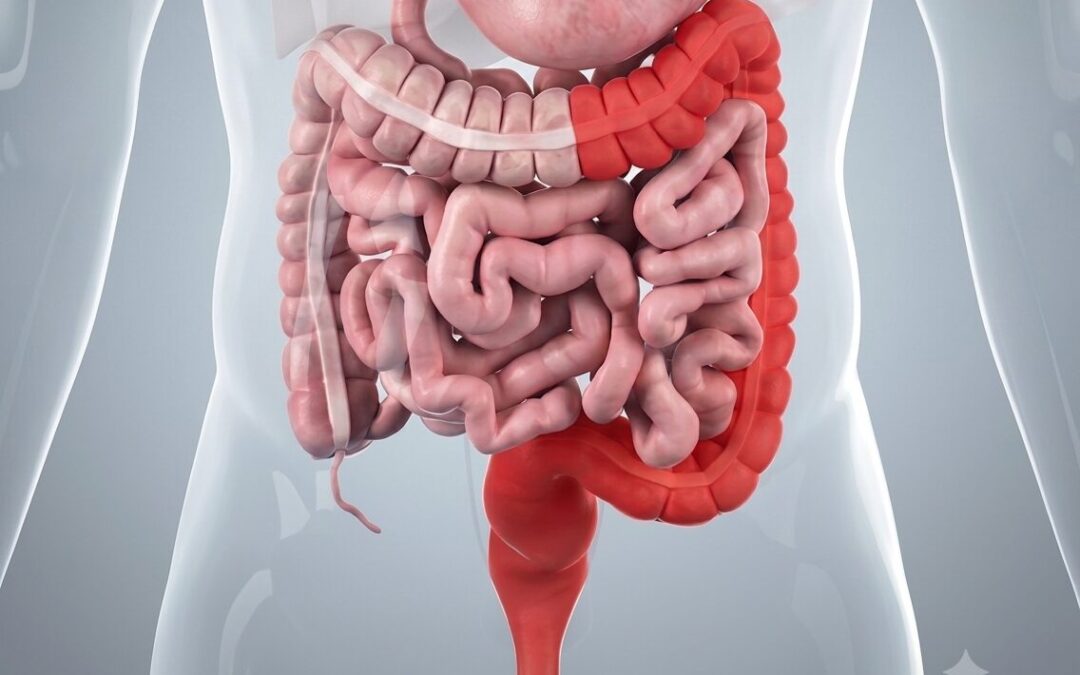
Yes, ulcerative colitis can lead to colon cancer. Chronic inflammation in the colon lining causes DNA damage that accumulates over years, eventually leading to mutations that drive cancer. Most UC patients won’t develop it, but the risk climbs with how long the disease has been active and how much of the colon it affects. Someone with pancolitis for 20 years carries a meaningfully higher risk than someone with limited left-sided disease diagnosed last year.
According to Dr. Sandeep Nayak,who provides Best cancer treatment in Bangalore, “The cancer risk in ulcerative colitis is real but it’s also manageable. The problem isn’t that UC always leads to cancer. It’s that patients with longstanding disease often skip surveillance colonoscopies because they feel well. Dysplasia doesn’t cause symptoms. By the time it does, it’s no longer dysplasia.”
Have UC and wonder when you actually need to start colonoscopy surveillance? The answer depends on how long you’ve had it and how much of your colon is involved.
What Factors Raise Cancer Risk in Ulcerative Colitis?
Not every UC patient carries the same risk. Several factors push it higher in some patients than others.
- Disease Duration:
The risk starts rising after 8 to 10 years of active disease. At 10 years, cumulative cancer risk sits around 2%. By 20 years it’s closer to 8%. By 30 years it can reach 18%. The longer the colon has been inflamed, the more mutations have had a chance to accumulate. - Extent of Colonic Involvement:
Pancolitis, where inflammation spans the entire colon, carries far higher risk than proctitis limited to the rectum. Left-sided colitis sits in the middle. The surface area of inflamed mucosa matters because more inflamed tissue means more opportunity for dysplastic change. - Primary Sclerosing Cholangitis:
UC patients who also have PSC, a bile duct condition, carry significantly higher colorectal cancer risk than UC patients without it. Annual surveillance colonoscopy from the time of PSC diagnosis is recommended regardless of how long the UC has been present. - Severity of Inflammation:
Patients with persistently active severe inflammation develop cancer at higher rates than those whose disease stays in remission. So keeping inflammation well controlled isn’t just about symptoms. It’s about reducing the long-term cancer risk that comes from chronic mucosal damage.
Colon Cancer Treatment options differ for UC-associated cancer compared to sporadic colon cancer because the underlying colonic biology is different and surveillance-detected cancers tend to be caught at earlier stages.
How Is Colon Cancer Risk Managed in UC Patients?
Surveillance colonoscopy is the main tool. But the details of when and how often matter.
- When to Start Surveillance:
Colonoscopy surveillance should begin 8 to 10 years after a UC diagnosis for patients with more than proctitis alone. Not 45 years of age like the general population recommendation. Earlier. Because the cancer risk pathway in UC is driven by duration of disease, not age. - How Often:
Every one to two years for patients with pancolitis or long-standing left-sided disease. Annual if PSC is also present. The frequency isn’t arbitrary. It reflects how quickly dysplasia can progress to cancer in this context. - What They’re Looking For:
Flat dysplasia in inflamed colonic mucosa is much harder to spot than a polyp in a normal colon. So UC surveillance needs high-definition colonoscopy with chromoendoscopy, where dye is sprayed to highlight subtle mucosal changes. Random biopsies throughout the colon are taken even when nothing looks abnormal. - When Surgery Becomes the Conversation:
High-grade dysplasia found at surveillance is treated with colectomy in most cases. Not because cancer is present but because the progression rate from high-grade dysplasia to cancer in UC is too high to manage with colonoscopy alone. Low-grade dysplasia is managed case by case depending on location and whether it’s multifocal.
Our previous blog on Young People Colon Cancer is worth a read. UC is one of the reasons younger patients develop colon cancer and why symptoms in IBD patients need investigation rather than reassurance.
Why Choose MACS Clinic for UC-Associated Colon Cancer?
Dr. Sandeep Nayak’s team at MACS Clinic manages UC patients with longstanding disease through structured surveillance colonoscopy at intervals matched to their individual risk, disease extent, and whether PSC is present. UC-associated cancers that reach surgical management here go through the same tumour board process as sporadic colon cancers, with the specific consideration that the remaining colon is at continued risk after segmental resection.
UC patients who’ve had the disease for over a decade and haven’t started surveillance need an assessment. Not eventually. Now. Because dysplasia doesn’t hurt. Those who want to discuss their situation can reach the team at +91 8035740000.
FAQs
Can ulcerative colitis turn into colon cancer?
Yes. Chronic inflammation causes DNA damage that accumulates over years. Most UC patients won’t develop cancer but the risk rises significantly with disease duration and how much of the colon is affected.
When should UC patients start colonoscopy surveillance?
8 to 10 years after diagnosis for anyone with more than proctitis. If PSC is also present, annual colonoscopy starts from the time PSC is diagnosed.
Does controlling UC inflammation reduce cancer risk?
Yes. Patients whose disease stays in remission develop cancer at lower rates than those with persistent severe inflammation. Managing UC well isn’t just about quality of life.
Is colon cancer in UC different from regular colon cancer?
It develops through chronic inflammation rather than polyp formation and tends to be flatter and harder to spot. But treatment follows the same surgical and systemic principles as sporadic colon cancer.
Disclaimer: This content is published for educational and informational purposes only.